Salary sacrifice vs cash allowance: Which is right for you

TL;DR: Salary sacrifice or cash allowance – which one saves you money?

Neither option is better. Salary sacrifice is often cheaper, but a car allowance allows you more flexibility, and the option of ownership.

Whether you’re setting the policy or picking between the two as an employee, the numbers behind each option are worth understanding properly before you commit.  

If your employer offers a choice between salary sacrifice and a cash allowance, the honest answer is that neither one is better

Salary sacrifice tends to work out cheaper, particularly if you’re driving an electric car (EV), because you’re paying with pre-tax salary and benefiting from lower Benefit in Kind (BiK) rates.

A cash allowance gives you more freedom over what you lease or buy, but you’ll pay full income tax and National Insurance on it first.

Which one suits you comes down to how much you value flexibility over cost, and whether an EV is on your radar.

We’ve broken down the mechanics, the tax, and the trade-offs below so you can work out which one makes sense for your situation.
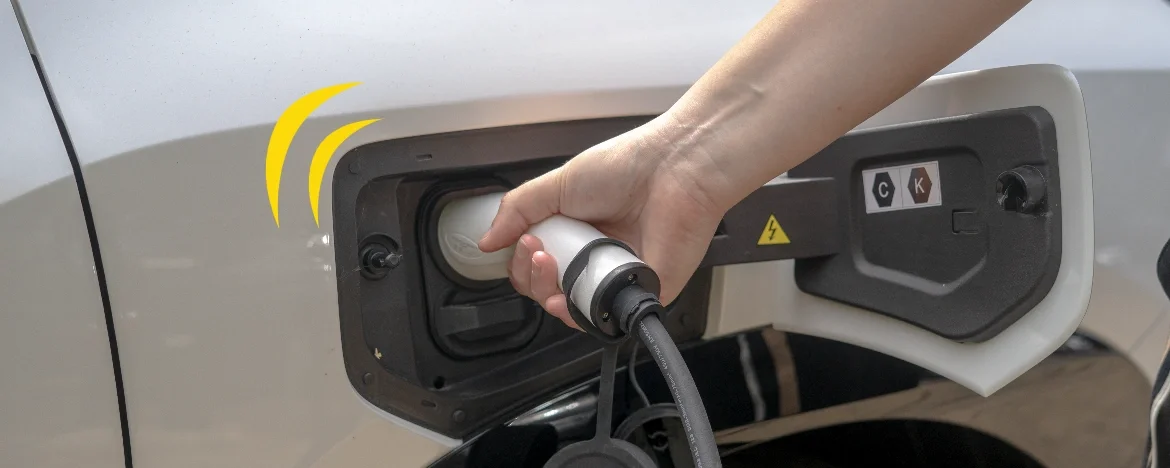
AION V on charge

Salary sacrifice can be one of the most cost-effective ways to lease an EV

What salary sacrifice and cash allowance mean

Both schemes exist to help you get behind the wheel of a car through your employer, but they work in almost opposite ways.

A salary sacrifice scheme is when you give up a portion of your pre-tax salary in exchange for a non-cash benefit – in this case, a car. Your employer leases the vehicle and provides it to you as a benefit, with the cost taken from your gross pay before income tax and National Insurance are calculated.

It’s the same principle behind pension salary sacrifice, just with four wheels attached.

A cash allowance (sometimes called a car allowance or company car allowance) is the opposite approach. Rather than your employer providing a car, they add a fixed amount to your salary and leave you to sort your own transport, whether that’s a personal lease, a used car, or some other form of finance.

The car allowance route gives you complete control.

The salary sacrifice route usually nets you better value, especially if an electric car suits your needs, because the tax treatment is so heavily weighted in favour of low-emission vehicles.

How salary sacrifice works for employees and employers

If you’re an employee, the appeal of salary sacrifice is straightforward: Your monthly cost comes out of your salary before tax and National Insurance are applied, so you’re effectively paying with money that would otherwise have gone to HMRC.

Maintenance, breakdown cover and insurance are typically (but not always) bundled into the monthly cost too, which takes a fair amount of admin off your plate.

The catch is that salary sacrifice only makes sense for EVs.

Petrol and diesel cars attract BiK rates that start much higher and climb steeply with emissions, which cancels out most of the pre-tax saving.

Run the numbers on a combustion car through salary sacrifice, and you’ll often find a straightforward Personal Contract Hire (PCH) lease works out cheaper.

For the employer, salary sacrifice reduces the Class 1A National Insurance contributions they pay on the employee’s salary.

The reduced contributions are part of why it’s become such a popular benefit to offer.

Electric car salary sacrifice also gives employees access to the business’s buying power and discounts, something an individual sourcing their own PCH lease wouldn’t get.

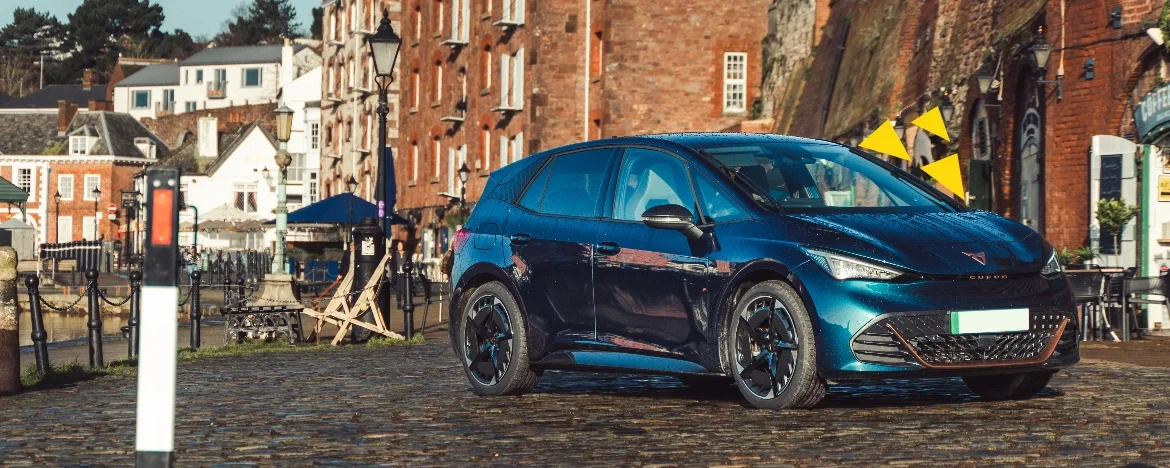
CUPRA Born parked at Exeter Quay

From hatcbacks to SUVs, there's no shortage of choice

How a cash allowance works

A cash allowance is added directly to your salary, which means it’s taxed like any other earnings: Income tax and National Insurance both apply before it reaches your bank account.

Say your employer offers a £500 monthly allowance.

Once income tax and employee National Insurance are deducted, a basic-rate taxpayer might see somewhere in the region of £350 to £370 of that reach their account each month, with a higher-rate taxpayer losing closer to half.

Exact figures depend on your tax code and where the allowance sits relative to your income tax band, so it’s always worth running your own numbers rather than relying on a rough estimate.

What you get in return is choice.

There’s no restriction on the make, model, or fuel type, and depending on how you fund the car, you could end up owning it outright.

You’ll also be responsible for maintenance, insurance and running costs, and sourcing the car without your employer’s buying power behind you, so it’s worth weighing the full cost of ownership, rather than just the monthly allowance figure.

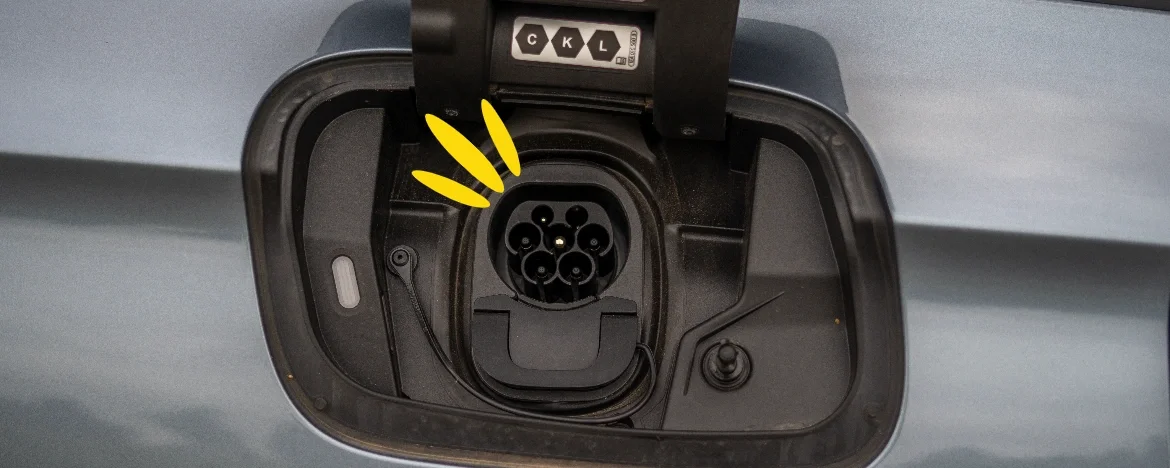
Volkswagen ID.7 charging port

EVs are almost a no brainer if you have access to at home or workplace charging

The cost and tax difference between cash allowance and salary sacrifice

Because Benefit in Kind rates are central to this decision, it's worth seeing the numbers side-by-side.

 Salary sacrifice (EV)Cash allowance
How it's fundedPre-tax salaryPost-tax salary addition
Main tax appliedBenefit in Kind (BiK)Income tax and National Insurance
2026/27 example4% BiK for EVsStandard income tax band, plus NI
Employer buying powerYesNo
Car choiceRestricted to electric scheme optionsUnrestricted

Take an EV with a P11D value of £35,000. Through salary sacrifice in 2026/27, that’s a BiK value of £1,400 (4% of £35,000), which would cost a higher-rate taxpayer £560 a year in tax.

Fund a car through a cash allowance instead, and the full value of that car allowance would be taxed as income.

Why salary sacrifice matters more for higher-rate taxpayers

If you’re earning between £100,000 and £125,140, there’s an additional reason that salary sacrifice might be worth it: The personal allowance taper.

Once your adjusted net income passes £100,000, you start losing £1 of your tax-free personal allowance for every £2 you earn above that threshold. Combined with the 40% tax rate already in play, this creates an effective marginal rate of 60% on income within that band, often referred to as the 60% tax trap.

Salary sacrifice reduces your adjusted net income, in the same way pension salary sacrifice does, because the amount you sacrifice doesn’t count as taxable salary in the first place.

If you’re sitting inside that £100,000 to £125,140 band, sacrificing part of your salary for a car can pull your adjusted net income back down, softening or avoiding the taper altogether.  

Getting a car through work really can do double duty as a piece of tax planning.

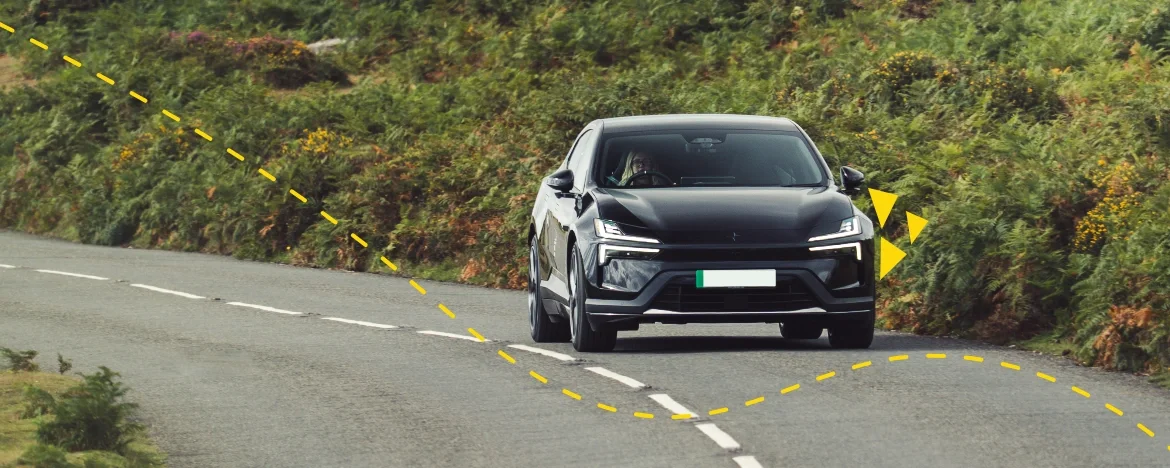
Polestar 4

The Polestar 4 makes for a very good company (and family) car

Ownership, flexibility, and the trade-offs

With salary sacrifice, you never own the car.

You’re leasing it for the term of the agreement, then handing it back, in the same way you would with any PCH or business lease. That means agreeing to mileage limits and keeping the car in good condition, or facing charges when it’s returned.

It also means you’re tied into the contract length, so it’s worth checking what protection is in place if your circumstances change.

With a cash allowance, none of that applies.

You can buy an aging runaround for cash, lease something brand-new, or anything in between. And depending on how you fund it, you could end up owning the car outright.

The trade-off is that you’re carrying all the risk and admin yourself. Sourcing the car, arranging insurance, covering maintenance, and absorbing the full cost if something goes wrong.

Making the decision

If an electric car works for your lifestyle and commute, salary sacrifice is likely to be the cheaper option, sometimes considerably so, once the tax treatment is factored in.

If you need a specific type of vehicle the scheme doesn’t offer, cover significant private mileage, or simply want the freedom to choose and eventually own your car, a cash allowance is probably the better fit, despite the extra tax.

Higher-rate taxpayers should weigh the personal allowance taper into your decision too, since salary sacrifice can genuinely reduce your overall tax position beyond just the car itself.

There’s no single right answer.

It comes down to your own numbers, your appetite for choice versus convenience, and how flexible you need your next car to be.

Choosing the right vehicle is where the real savings are made.

Frequently asked questions

What are the negatives of salary sacrifice?

The main drawbacks are restricted car choice, no ownership at the end of the agreement, and limited value outside electric vehicles because of how steeply Benefit in Kind rates rise for petrol and diesel cars.

You’re also tied into a fixed contract term, so it suits people with reasonably stable circumstances.

Is salary sacrifice worth it for higher-rate taxpayers?

Usually, yes. And often more so than for basic-rate tax payers.

The combination of avoiding income tax and National Insurance on the sacrificed amount, plus the potential to soften the personal allowance taper for anyone earning over £100,000, makes salary sacrifice a stronger option the higher up the tax bands you sit.

Can I switch from a cash allowance to a salary sacrifice scheme?

In most cases, yes, though it depends on what your employer offers and any minimum term on your current arrangement. You’d have to speak to your HR team directly to find out.

How does salary sacrifice compare with a traditional company car?

A traditional company car is provided and managed by your employer, with BiK tax applying in a similar way. The main difference is that with salary sacrifice, you’re actively giving up salary to access the benefit, whereas a traditional company car is typically offered as part of the role itself, often for employees who need to drive as a core part of their job.

Beth Twigg

Beth Twigg

Beth is our Content Marketing Manager, tasked with creating great articles to keep you both entertained and informed. She has two years previous experience, but has been writing and scribbling for much longer.