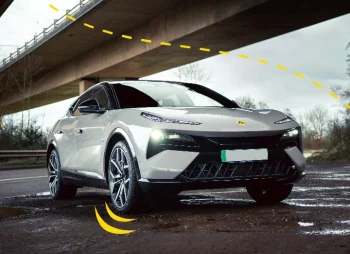
How to prepare your car for the changing season

TL;DR: How do I prepare my car and myself for autumn driving?

There are a few ways you can drive safely in autumn. First of all, make sure your car is working properly:

  • Check that your tyres have at least 3mm of tread and the right pressure
  • Check your lights: All bulbs working, including fog lights and number plate lights
  • Check your wipers have no splits, smears or juddering
  • Clean your windscreen inside and out, and repair any chips
  • Check your fluids: Coolant, screenwash, brake fluid and engine oil topped up
  • Test your battery if it’s more than three years old
  • Keep sunglasses and an emergency kit in the car

You can also adjust your driving style slightly to make sure you stay safe.

Autumn’s here, and so are its driving challenges

Winter gets all the attention, but autumn is the sneakier season on the roads. These autumn driving tips are designed to help you stay a step ahead.

Wet leaves, thick fog and the sun parked at windscreen height can catch out even the most confident drivers.

But it’s hard to stay mad at the season.

The mornings have that crisp chill, the leaves are putting on their annual colour show, and we’re all secretly (or not so secretly) excited about getting back into our cosy jumpers.

A little prep now will keep you firmly in the driving seat all season, so we’ve covered how to tackle autumn’s trickiest road conditions, the checks your car needs and what to know if you drive an electric vehicle (EV).
Autumn driving tips

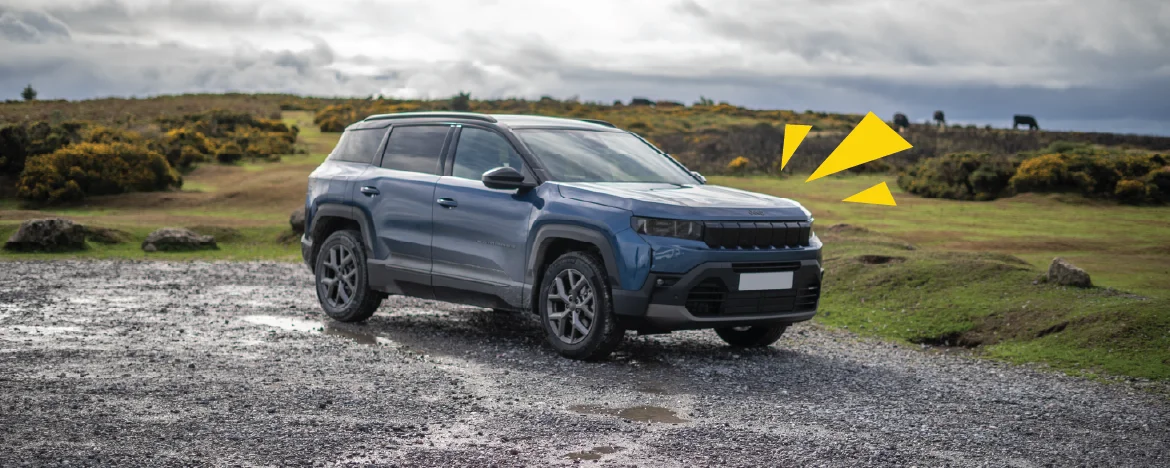
Jeep Compass

Speed limit is a limit, not a target

Adjust your speed for the conditions

This might sound like driving instructor territory, but bear with us. Autumn road conditions change faster than British weather, and a road that was dry on your morning commute can be wet, muddy or covered in leaves by the time you head home.

Fallen leaves might look pretty, but they’re nature’s own slip hazard. Once they’re wet and pressed down by traffic, they can be almost as slippery as ice, and they’re very good at hiding potholes too.

Basically, the leaf is to nature what the banana peel is to slapstick comedians.

That’s why it pays to give yourself more room. The Highway Code recommends leaving at least a two-second gap between you and the vehicle in front, and at least doubling it on wet roads.

On icy roads, that gap should be up to 10 times greater.

To check your gap, pick a fixed point like a road sign. Count two seconds from when the car ahead passes it to when you do. If you reach it before you’ve finished counting, ease off.

Your autumn driving strategy:

  • Drive at a speed that suits the road conditions, not just the speed limit
  • Brake gently and early, especially on bends and tree-lined roads
  • If you start to slide, avoid the urge to brake hard, ease off the power and steer gently in the direction you want to go

Remember, wet roads and fallen leaves make skidding much more likely. Better to arrive a few minutes late than not at all.

Prepare for the Great British fog show

Ah, autumn fog. Nature’s way of adding a little mystery to your morning commute.

While it might make you feel like you’re starring in a moody Netflix series, it’s not quite so romantic when you’re trying to get to work on time.

Fog can roll in thick enough to send a ship running aground, and it doesn’t just hamper your visibility. It makes roads wet and slippery faster than you can say “where did that come from?”

Your fog-busting tips:

  • Switch on your headlights when visibility is seriously reduced, generally when you can’t see further than 100 metres
  • Stick to dipped beam, not full beam, which reflects off the fog and makes it even harder to see
  • Use your fog lights when visibility is poor, but switch them off once it clears so you don’t dazzle other drivers
  • Slow down and leave a bigger gap, as fog can hide slow-moving or stationary traffic ahead

Beat the low sun glare

Autumn weather is basically the meteorological equivalent of a mood ring. It’s constantly changing and impossible to predict.

One minute the bright sunshine is making you question if summer’s making a comeback, the next it’s bucketing down like the world is ending.

Could it snow? You never know!

The sun also sits much lower in the sky at this time of year. Your sun visor does a pretty good job of defending your eyes, but there’s always that moment on the drive home when the sun sits in exactly the wrong position.

That’s why it’s a good idea to keep a pair of sunglasses handy in your car.

Pick your pair wisely. They need to be effective at cutting glare, have suitable colour lenses and be comfortable to wear.

Have a novelty pair in your locker that ticks all the right boxes? We rate it. And we’ll nod our appreciation to you at the traffic lights.

A few more ways to deal with the dazzle:

  • Keep your windscreen clean inside and out, as streaks and grime make glare much worse
  • Slow down if you’re dazzled, and leave more space to the car in front
  • Remember, if the sun’s behind you, it’s in the eyes of drivers coming towards you
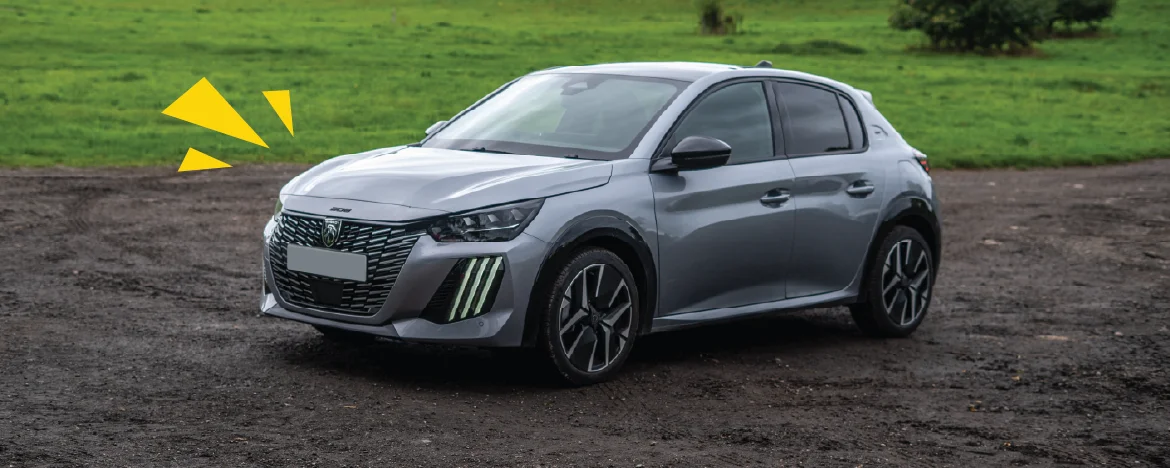
Peugeot 208

It's getting darker earlier

Get ready for darker evenings

Once the clocks go back at the end of October, you’ll be driving in the dark more often.

Driving after sunset can feel like a completely different experience, especially on rural roads with limited street lighting. Pedestrians and cyclists are harder to spot, and judging distances takes more concentration.

If this is your first autumn behind the wheel, or you’re less confident in the dark, try to build up some practice on familiar roads before taking on longer journeys. Our guide to driving in the dark has plenty more tips.

Take extra care on rural roads

Country lanes come with their own set of autumn hazards.

It’s harvest season, so expect slow-moving tractors and mud on the road, which can be just as slippery as wet leaves. Dips in the road can also collect standing water after heavy rain.

If you hit standing water and your steering suddenly feels light, you could be aquaplaning. Ease off the accelerator, avoid braking hard and hold the steering steady until you feel the tyres grip again. Our guide to driving in heavy rain and floods covers this in more detail.

Keep an eye out for wildlife too.

Deer rutting season runs from late September to early November. According to the AA, deer are most likely to run into the road around sunrise, and between sunset and midnight, which often lines up with the commute.

The AA also says as many as 74,000 deer are killed or injured in collisions on the roads every year. To lower your risk:

  • Take extra care wherever you see deer or wild animal warning signs
  • If one deer crosses, slow down and expect more to follow
  • Use full beam on dark roads where it won’t dazzle other drivers, but dip your lights if you spot a deer, as the glare can make it freeze in your path
  • Avoid swerving or braking hard to miss a deer, as staying on your normal course is usually the safer option

Look out for trick-or-treaters and on the school run

Autumn brings plenty of reasons for people to be out on the roads after dark.

With the kids back at school, be extra careful around schools at the start and end of the day, especially as it gets dark earlier and not everyone will be wearing reflective clothing.

Halloween and Bonfire Night are fun for all ages, but they can be distracting for drivers.

Watch out for trick-or-treaters crossing between parked cars, and expect crowds, road closures and the odd surprise firework around local displays.

Autumn car checks

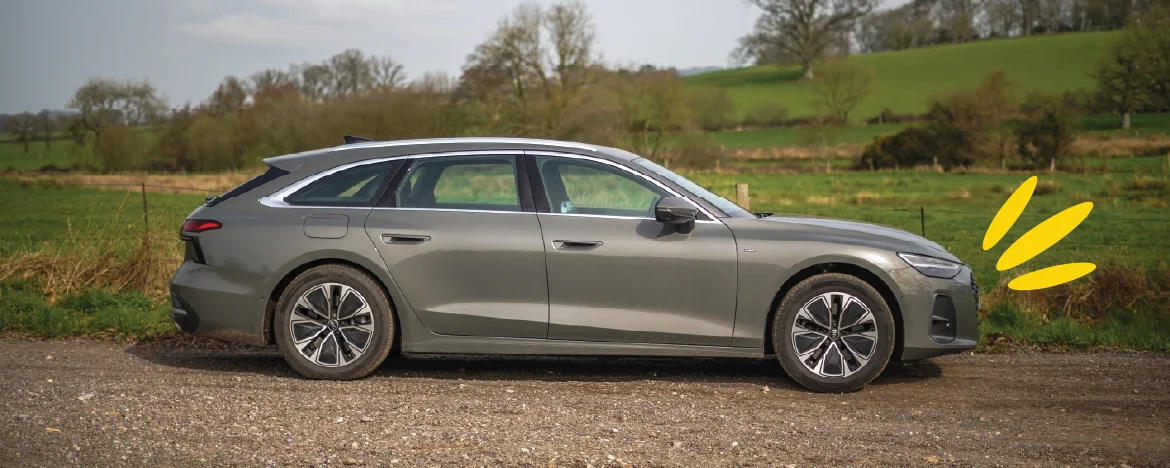
Audi A6 e-Hybrid

You'll need your lights as it's getting darker

Check all your lights

Ideally, you’d check your lights every few weeks all year round, but with the nights drawing in, it’s more important than ever.

Your lighting checklist:

  • Check every bulb, including headlights, brake lights, indicators and number plate lights
  • Test your fog lights (yes, even if you haven’t used them since last winter)
  • Give your headlights and indicators a quick wipe, as you’d be surprised how much grime builds up

If there’s no one around to check your brake lights, try reversing up to a garage door or shop window at night and watching the reflection.

Get your windscreen sparklingly clean

Your car might look reasonably clean on the surface, but there’s often an underlying build-up of dirt and grime that’s been plotting against you all summer.

And the inside of your windscreen needs just as much attention as the outside.

Condensation loves nothing more than a grubby interior screen, and autumn provides the perfect conditions for this annoying party trick.

Top windscreen cleaning tips:

  • Use a proper car window cleaner for the best results (though standard window cleaner will do the job if you’re on a budget)
  • Clean both sides of the windscreen, as condensation on the inside is a real visibility killer
  • Don’t forget your mirrors and side windows while you’re at it
  • Keep a microfibre cloth handy for quick touch-ups

While you’re there, look for chips and cracks. They can make low sun glare much worse, and small chips can quickly spread as temperatures drop, so it’s worth getting them repaired sooner rather than later.

Show your wipers some love

Your windscreen wipers have had a relatively easy summer, with a bit of rain here and there and nothing too demanding.

Well, their holiday is well and truly over, and they’re about to earn their keep.

A pair of dodgy wipers in treacherous conditions can turn your journey into something out of a horror film, and not the fun kind.

Wiper maintenance made simple:

  • Check the rubber blades for cracks, splits or general wear
  • Test them on both slow and fast settings
  • Make sure they’re clearing the screen properly without streaking
  • Replace them if they’re juddering, streaking or missing patches
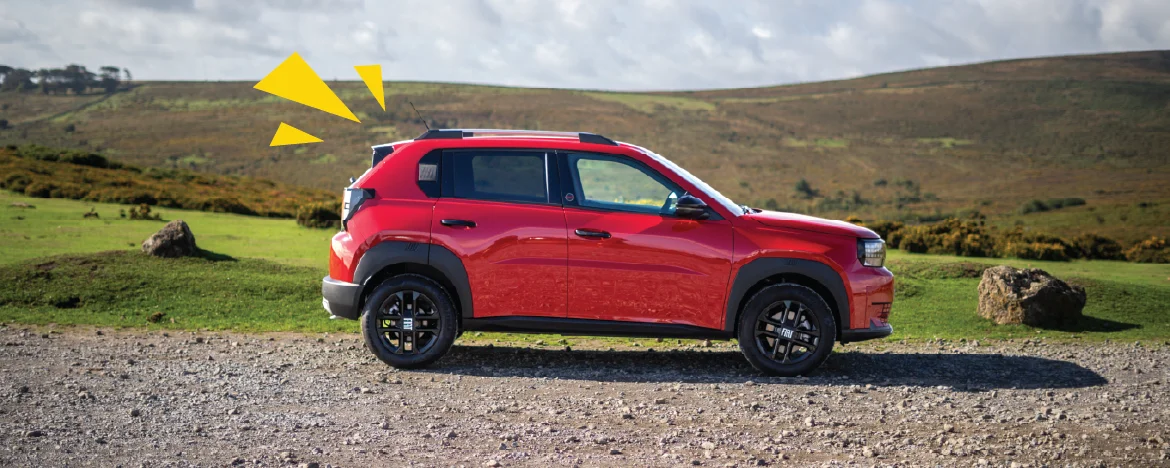
Fiat Grande Panda

Your tyres deserve attention too

Give your tyres the attention they deserve

Your tyres are literally where the rubber meets the road, so it’s crucial they’re up to the job as we head into the wetter months.

The legal minimum tread depth is 1.6mm, but most tyre safety experts recommend replacing tyres at 3mm. Tests by UK technical organisation MIRA found that wet braking distances can be up to 44% longer on tyres worn to 1.6mm than on tyres at 3mm.

Driving on tyres below the legal limit can also land you a fine of up to £2,500 and three penalty points per tyre.

Deeper tread gives you better grip, shorter stopping distances and better performance on wet roads. And your future self will thank you for being so diligent about your safety.

Your tyre check routine:

  • Tread depth: Use a tread depth gauge to check for 3mm. The 20p test is a handy quick check, but if you can see the outer band of the coin, your tread may be close to the legal limit
  • Pressure: Check monthly and adjust to your manufacturer’s recommendations, as pressures can drop when temperatures fall
  • General condition: Look for cuts, bulges or uneven wear
  • Don’t forget the spare: If your car has one, it’s no use if it’s flat when you need it

Check your fluids

As temperatures start their downward journey towards single digits, your car’s fluids become even more important.

From engine coolant to washer fluid, they all play a role in keeping you moving safely.

Your essential fluid checklist:

  • Engine coolant: Crucial for temperature control in all conditions. There are several types of antifreeze, and using the wrong one can cause serious engine damage, so check your handbook before topping up
  • Washer fluid: Use a screenwash suitable for colder weather so it doesn’t freeze
  • Brake fluid: Essential for safe stopping
  • Engine oil: Check the level regularly, and definitely before long journeys

Top tip: Top up your washer fluid reservoir now, as you’ll be using it more often to clear road spray and general autumn grime.

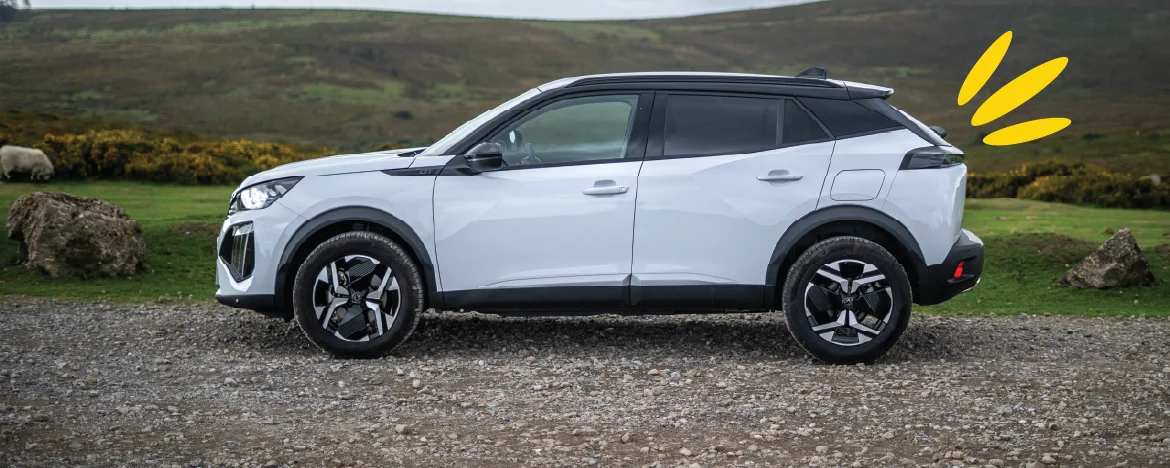
Peugeot 2008

Don't want to be caught with a flat battery

Don’t forget your battery

Cold mornings put extra strain on your car’s battery, and autumn is often when a weak one starts to show it.

Most car batteries last between three and five years, and colder temperatures can significantly reduce how much power they can deliver. Lots of short journeys don’t help either, as the alternator doesn’t get enough time to recharge the battery between starts.

Slow starting, dimming lights and a battery warning light are all signs yours is struggling. If you notice any of them, or your battery’s getting on a bit, get it tested now. It’s much better to find out on your driveway than in a car park on a frosty morning.

And if you drive an EV, don’t assume you’re off the hook. Most electric cars still have a 12-volt battery to power key systems.

Pack an emergency kit

Even with all the right checks, it’s worth being prepared for the unexpected. A breakdown in heavy rain, fog or falling temperatures is a lot more bearable with a few essentials on hand.

Consider keeping these in your car:

  • A warm coat or blanket
  • A torch
  • A phone charger or power bank
  • Drinking water and a few snacks
  • A high-visibility vest
  • An ice scraper and de-icer for the first frosty mornings

For more ideas, check out our list of essential items to keep in your car.

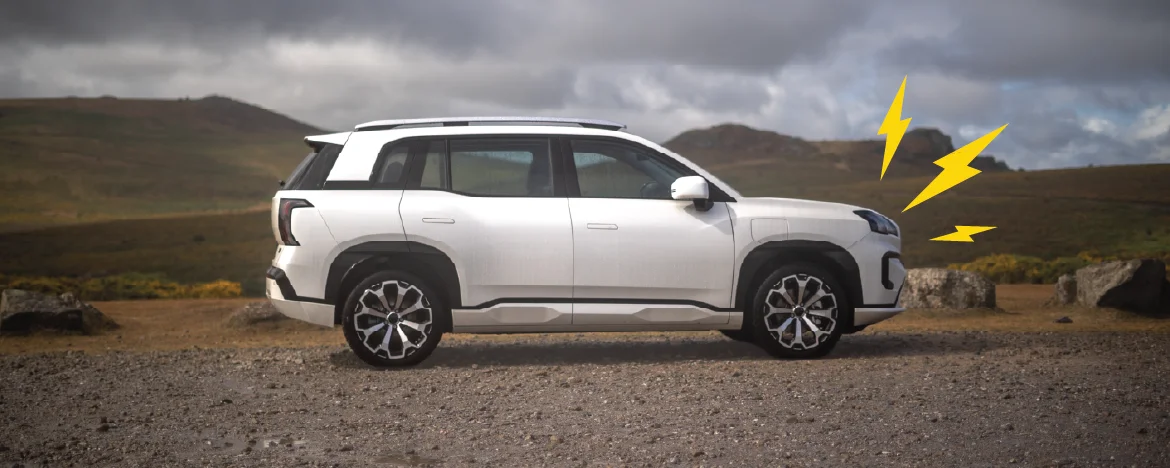
AION V

What about for EVs?

Driving an electric car in autumn

If you drive an EV, colder weather can have a noticeable effect on your range.

As temperatures drop, your battery becomes less efficient, and heating the cabin uses extra energy. When What Car? range-tested three EVs in both summer and winter, they covered an average of 18% fewer miles in the cold.

The good news is, a few simple habits can help you make the most of every charge:

  • Precondition your car while it’s still plugged in, so it warms up using energy from the charger rather than the battery
  • Use heated seats and a heated steering wheel where you have them, as they use less energy than heating the whole cabin
  • Plan longer journeys with extra charging stops in mind, and check where charge points are along your route
  • Keep an eye on tyre pressures, as they drop in the cold and underinflated tyres reduce efficiency

If you’re choosing your next EV, it’s also worth looking for one with a heat pump. In the same What Car? tests, a heat pump improved efficiency by around 5%.

Want to know how far today’s EVs can go? Our guide to electric car range breaks it down.

Get back on track this autumn

Preparing your car for autumn doesn’t have to be a massive undertaking.

A bit of preventative maintenance now will keep you safely in the driving seat, whatever the season has planned.

Whether you’re navigating the school run in your trusty family car or cruising down the motorway on a weekend adventure, these simple checks will help keep you ready.

If you lease your car, staying on top of them has an added benefit.

As a lease driver, routine servicing and tyres are usually your responsibility, unless you’ve added a maintenance package. A package folds servicing and other normally unpredictable costs into your monthly payment, and tyres are often covered too.

When your lease ends, your car will be assessed against the British Vehicle Rental and Leasing Association (BVRLA) Fair Wear and Tear guidelines. Autumn is prime time for the kind of damage that can lead to charges.

Under the guidelines, windscreen damage larger than 10mm in the driver’s line of sight, or 40mm anywhere in the area your wipers sweep, isn’t acceptable.

Neither are dented wheel rims or damaged tyre sidewalls, which is worth remembering when potholes are hiding under the leaves and puddles.

So get any chips professionally repaired early, and take it steady on leaf-covered roads.

Taking care of your lease car isn’t just about avoiding end-of-lease charges, though that’s a nice bonus. It’s about making sure you and your family stay safe on increasingly unpredictable roads.

Looking to lease a car?

Ryan Darby

Ryan Darby

Ryan takes the lead on all things 'wordy'. With a sports media background, a true passion for cars, and a LOT of driving experience under his belt, he'll make sure you have all the information you need, when you need it.