Join us as we take a closer look at the Range Rover Evoque, the premium compact SUV that's equally at home on city streets and country lanes

The Range Rover Evoque is an icon on British roads – recognisable from its silhouette alone.

Since launching in 2011 it's been a runaway success: over 500,000 units sold across more than 180 countries in just five years, and the numbers have only climbed since.

It's easy to see why it's so beloved here. The Evoque offers the best of both worlds – a polished city car that's equally capable of handling country lanes and muddy tracks, which, let's be honest, is a genuine requirement for UK driving.

A premium compact SUV that rivals the BMW X1 and the Audi Q3, it's been through a significant evolution since that 2011 debut – a second generation in 2019 that overhauled almost everything under the skin, and a facelift in 2023 that refined it even further.

Range Rover are embracing an electric future in 2026, with new EV models arriving across the range – and an electric Evoque isn't far behind, due in 2027.

But how does it hold up? We took the Range Rover Evoque D150 S out for a spin to find out.
What we drove:

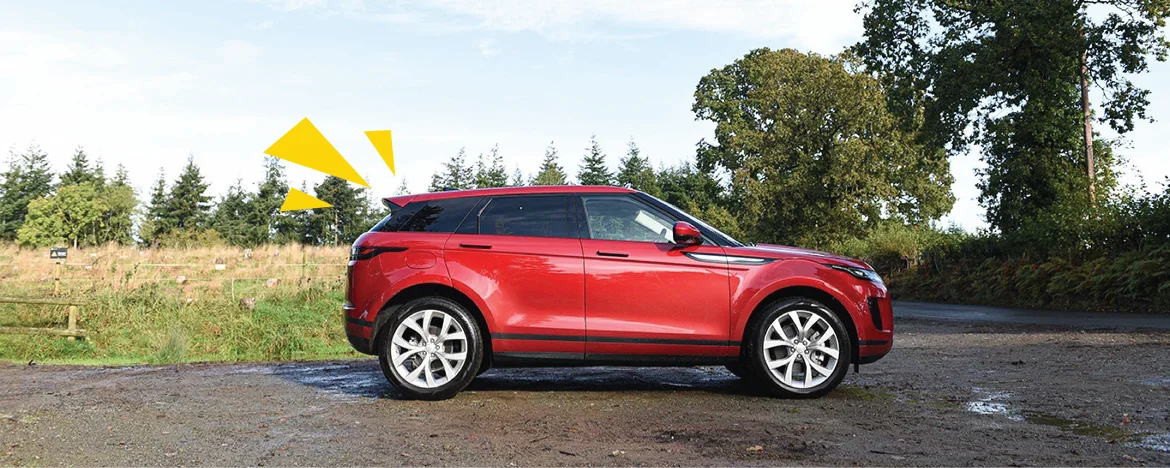
Model: Range Rover Evoque D150 S (Facelifted second generation)

Body Style: SUV

Power: 2.0-litre diesel (150bhp)

Acceleration: 0-62mph in 10.4 seconds

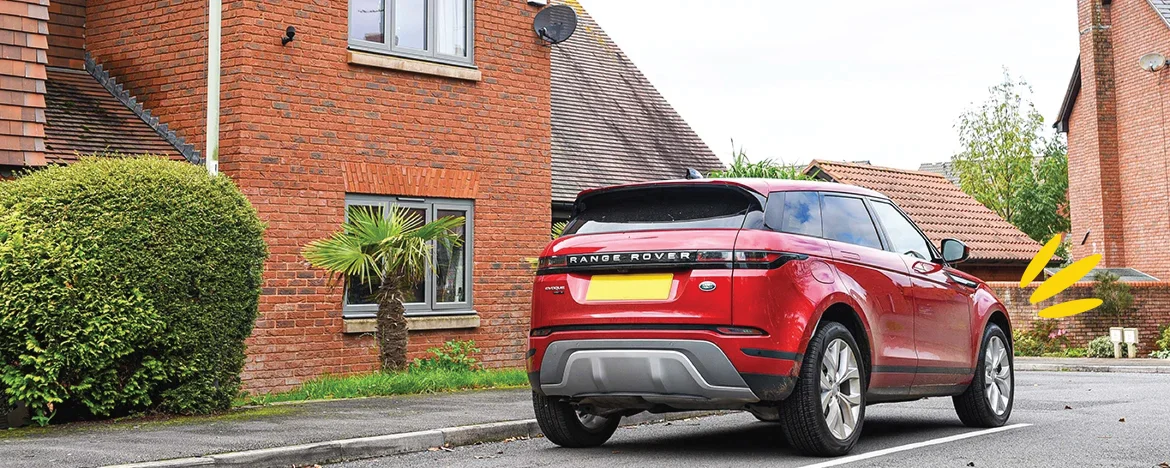
Colour: Firenze Red Metallic

Price from: £31,295

Specifications correct at the time of publication

Or watch our video review over on YouTube:

Range Rover Evoque side view

A true icon

An icon, refined

The Range Rover Evoque we drove looked pretty much identical to the original launched back in 2011 — and that was entirely the point.

It was so beloved that customers said keep it the same, but make it better. And that, Range Rover did.

The improvements made from the original were immediately noticeable:

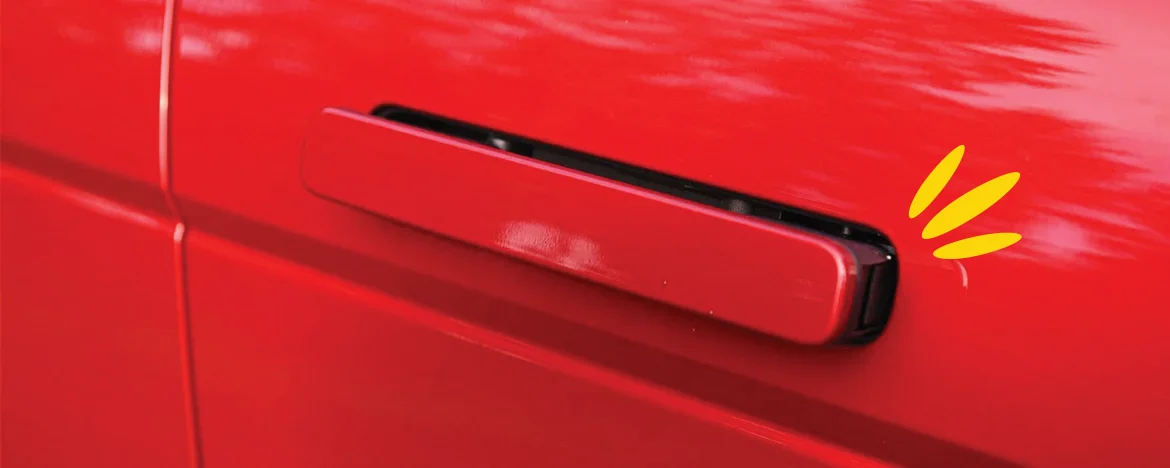
  • Flush retractable door handles replacing the old protruding ones
  • Black plastic wheelarch extensions gone, replaced with cleaner, more sophisticated lines
  • Narrower shutlines (almost half the width of the original) adding a more polished, premium feel on the move
  • Better quality paint finish throughout
  • Ultra-slim LED headlights now standard across the range
  • Velar-influenced design details giving it a more upmarket feel overall
Range Rover Evoque flush door handles

Sleek and sporty

Our S model skipped the more dramatic R-Dynamic styling — no bonnet vents, no sportier body kit — but it still pulled off a sleek, refined aesthetic without seeming like it was trying too hard.

And while the standard S spec comes with 17" or 18" alloys, ours had the upgraded 20" 5-spoke Gloss Sparkle Silver wheels, which really looked the part.

The footprint remains the same compact 4.37 metres as the original.

This was deliberate, given that 70% of Evoque owners drive primarily in urban areas. But from certain angles, the five-door silhouette still manages to echo the original three-door coupé.

High praise for an evolution rather than a revolution.

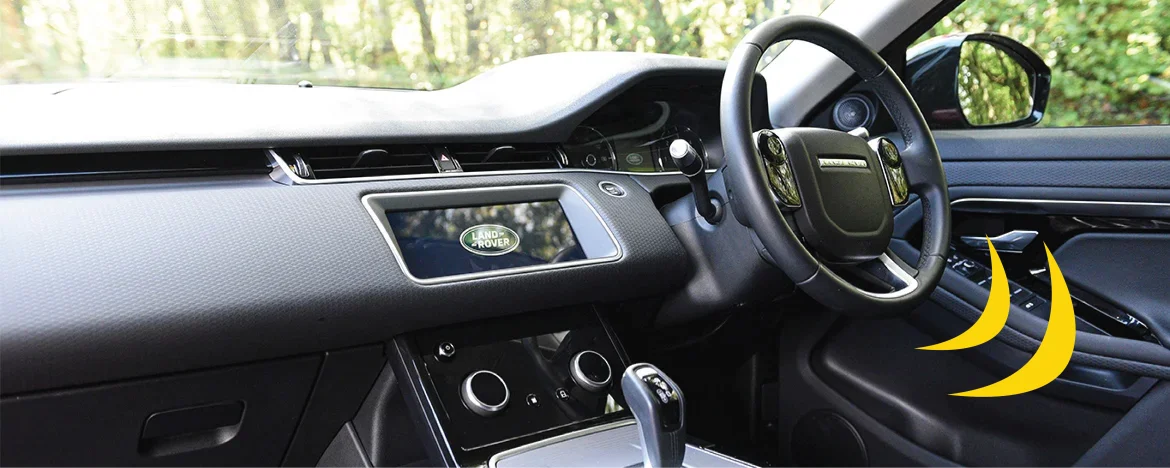
Range Rover Evoque interior

Premium interior

Premium with some surprises

Step inside and it's immediately clear that Range Rover had been listening to critics of the original.

The interior was a proper step up — soft-touch surfaces across the dash, a cleaner, less cluttered layout, and a build quality that genuinely felt premium. No squeaks, no creaks, no hard plastics where you didn't want them.

Range Rover described it as having a "lounge-like" feeling, and honestly, that's not far off.

The large, gently-dished steering wheel gave it a more regal air than the sporty, small-rimmed alternatives you'd find in rivals; and the touch-sensitive controls were a nice touch too.

On the sustainability front, Range Rover used up to 33kg of recycled materials in every Evoque, and offered some genuinely interesting upholstery options depending on your spec — including Eucalyptus Melange, a fully vegan plant-based fabric, and a Kvadrat wool blend. The leather is still there if you want it, but it felt a bit dated.

Our S model came with the single 10" touchscreen, which looked sharp and did the job — though it wasn't quite as responsive to the touch as the screen in the Mercedes-Benz GLC.

If you ‘d have opted for an SE or above, you'd get the Touch Pro Duo twin-screen setup, borrowed from the Velar, which added a secondary display for climate controls and heated seats.

Apple CarPlay and Android Auto came as standard across the range, as they should at this price point.

Range Rover Evoque boot

Space galore

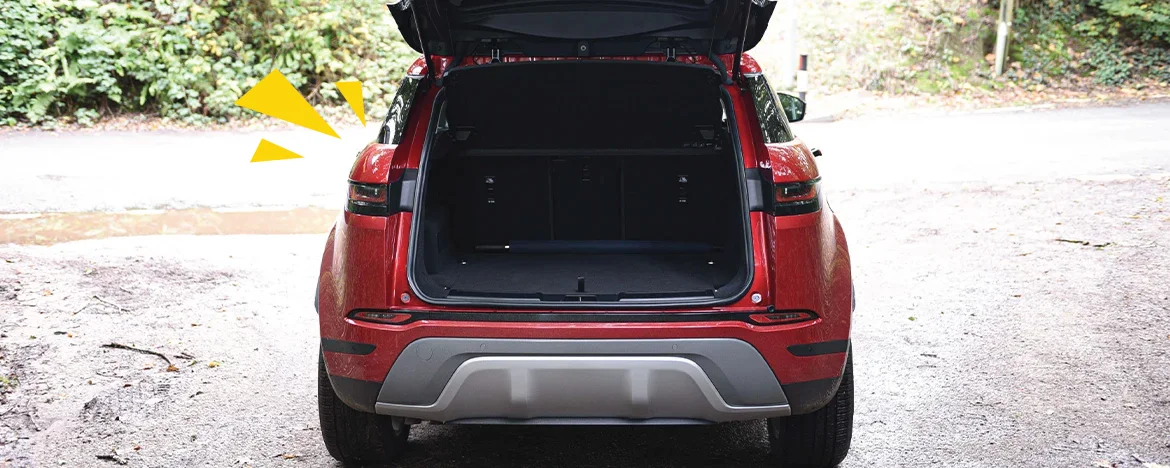
The boot was a decent size too; 591 litres, 10% bigger than the original, with no boot lip to wrestle with and underfloor storage for the bits you don't want on show.

A couple of hooks for shopping bags were a thoughtful touch, and the rear seats split three ways for easy boot access.

The only gripe? Nowhere to store the parcel shelf once it's out. And while 591 litres is respectable, rivals like the BMW X1 do edge it out if boot space is a priority.

Range Rover Evoque driving through puddle

Good in the streets and the lanes

Diesel with a personality

We drove the entry-level engine — a 2.0-litre diesel with 150bhp. And while other models in the range came with mild hybrid technology, we had good ol' manual gears. The only manual in the lineup, as it happens, with everything else paired to a 9-speed automatic.

This gave it a 0-62mph time of 10.4 seconds, which is definitely not mind-blowing. And at low revs, it was noticeably noisier than expected, sounding more like a much heavier car than the premium compact SUV it was. Not a deal-breaker, but worth knowing.

Out on the road though, it was a different story.

The Evoque was intuitive to drive, handling country lanes just as confidently as it did stop-start city traffic.

Visibility was good despite the small rear window, and the ride quality was genuinely impressive; soaking up potholes and uneven surfaces with ease.

It wasn’t a sports car, and it didn’t pretend to be, but it handled with enough composure to make back-road driving genuinely enjoyable.

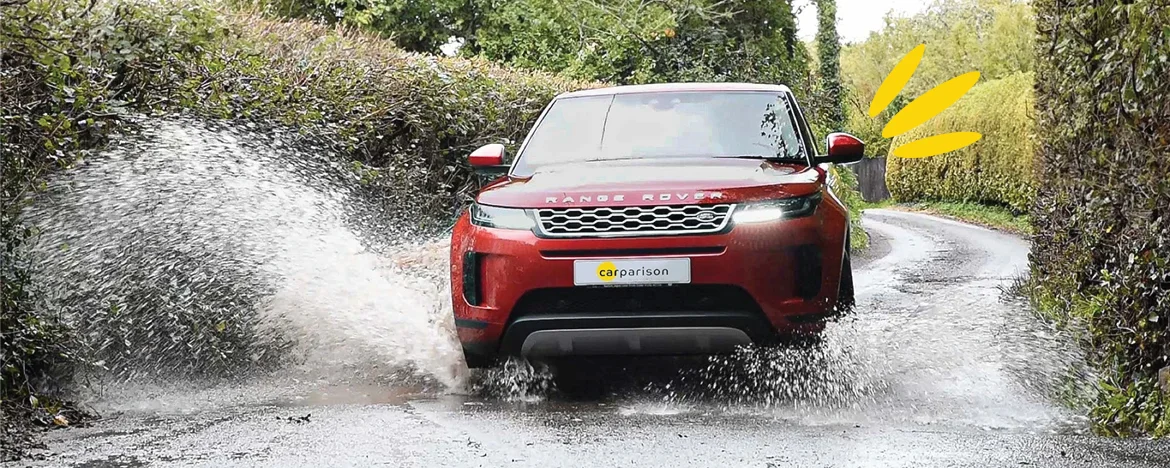
And for those who like to venture further off the beaten track, the Evoque had a maximum wading depth of 600mm — we couldn't find a ford deep enough to test it properly, but it handled a sizeable puddle without complaint.

Towing capacity ranged from 1,500kg to 2,000kg braked trailer too, which is respectable for a compact SUV.

If you can stretch the budget, the D180 is where the sweet spot is though; same 2.0-litre diesel, but smoother and more refined. Or go petrol with the P250 for something genuinely fun.

The naming system is helpfully straightforward too: D = diesel, P = petrol, the number = approximate bhp. Simple.

Those automatic models got the mild hybrid system — cutting the engine when coasting, braking or stationary, and improving fuel economy by around 6%.

And that mild hybrid tech? Well, that was Range Rover dipping their toes into the electric waters, making way for where they are today, electrifying their lineup, with a fully electric Evoque due to arrive in 2027.

Range Rover Evoque parked up

Pros and cons

What's good, and what's not

The Evoque impressed us in plenty of ways — but it wasn't without its quirks. Here's the honest verdict.

The good bits:

  • Iconic styling that's stood the test of time
  • Huge interior step up from the original — genuinely premium feel
  • Dual personality — equally at home in the city and on country lanes
  • Impressive off-road capability for a compact SUV — 600mm wading depth
  • Sustainable interior material options (Eucalyptus Melange, Kvadrat wool blend)
  • Maximum towing capacity of up to 2,000kg — not bad for a compact SUV

The not-so-good bits:

  • D150 diesel noisier than expected at low revs
  • 0-62mph in 10.4 seconds — underwhelming for the money
  • Single touchscreen on S trim less responsive than rivals — Mercedes GLC edges it
  • Manual D150 misses out on MHEV
  • Boot space lags slightly behind rivals like the BMW X1
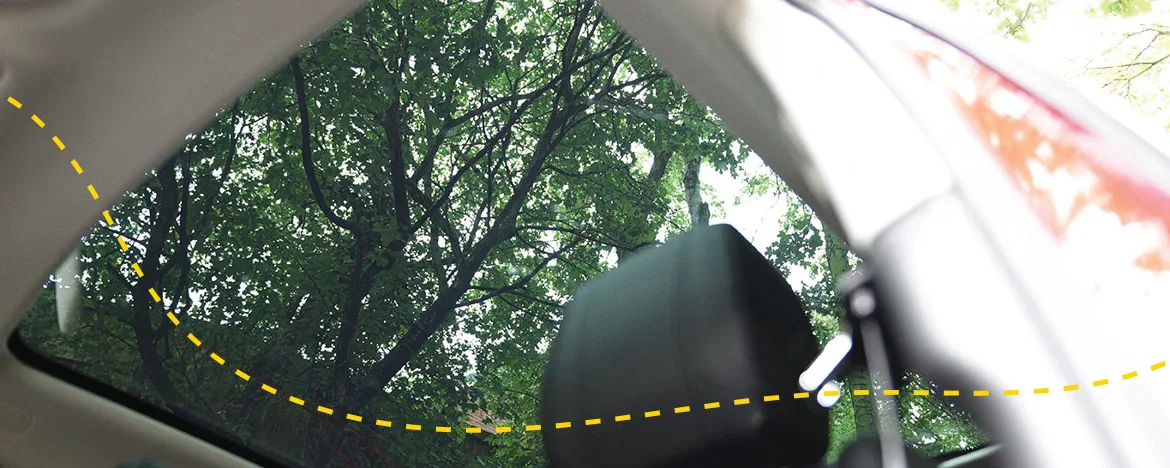
Range Rover Evoque sunroof

What's the verdict on the Range Rover Evoque?

What's the verdict?

The Evoque delivered on its promise. 

A genuine dual-purpose compact SUV that was as polished on city streets as it was on country lanes, with an interior that genuinely surprised us. It's a massive step up from the original, and it felt every bit the premium car it's priced as.

The styling stood the test of time too. 

Evolution rather than revolution, and it worked — because when something looks that good and sells well, you don't mess with it.

Top 5 reasons to consider the Range Rover Evoque

  1. Iconic styling that's immediately recognisable
  2. Genuine dual-purpose ability — city and countryside
  3. Premium interior that punches above its price point
  4. Off-road capability you won't find in most rivals
  5. Electric version on the horizon for 2027

Would we recommend leasing a Range Rover Evoque?

Absolutely. The first generation set the template, the second refined everything that needed it, and the 2023 facelift pushed it further still.

The icon is evolving — with an electric Evoque due in 2027, there's never been a more exciting time to be in the Range Rover family.

If a premium compact SUV is on your radar, the Evoque remains one of the most compelling options on the market.

Does the Range Rover Evoque sound like your cup of tea?

Alice Poole

Alice Poole

Alice applies her extensive test drive experience and her passion for motors to bring you informed and characterful articles and vehicle reviews.