Is leasing an electric car worth it? Leasing vs buying compared

TL;DR: Is leasing an electric car worth it?

For a lot of drivers, yes.

If you like changing your car every two to four years, cover a predictable number of miles, and would rather not carry the risk of your car losing value, leasing usually works out better than buying.

If you prefer to keep your cars for over five years, drive big mileage, or want something to sell at the end, buying will work out better for you.

Standing in a showroom, staring at an electric car you love and a price you don’t…

It’s a modern dilemma.

Buy it, and it’s yours for as long as you want it.

Lease it, and you’ll never have to haggle with a stranger over its trade-in value.

Both routes have plenty going for them, and the right one depends far more on how you drive than on what anyone in a lanyard tells you. With new pure petrol and diesel cars leaving the market in 2030, a lot of drivers are weighing this up for the first time.

So, we’ve laid out how leasing and buying an electric vehicle (EV) compare, what each one costs and where each one falls short, so you can decide which suits you.

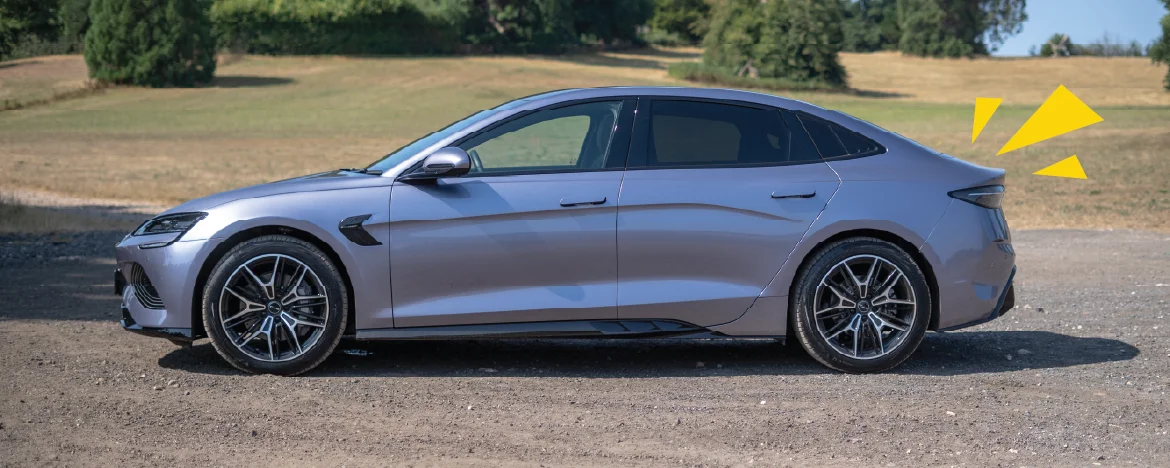
BYD SEAL

Leasing? Electric? What's this all about?

How electric car leasing works

Leasing an electric car usually means taking out a Personal Contract Hire (PCH) deal.

Think of it like a long-term rental: You pay a fixed monthly payment to drive a brand-new EV for a set term, typically two to four years, then hand it back at the end. You never own it.

The clever bit is how the monthly payment is worked out.

Before your lease starts, the finance provider predicts what the car will be worth when you return it. That’s called the residual value, or RV. Your payments cover the gap between the car’s price today and that predicted value, rather than the full price of the car.

So, if the car is worth less than expected when you hand it back, the finance provider takes the hit.

You’ll pay an initial payment upfront, usually a multiple of your monthly fee, and you’ll agree an annual mileage allowance at the start.

Road tax is included for the whole lease at the prevailing rate, although an increase partway through can mean an additional cost for you (but this is rare).

Servicing can be added as an optional maintenance package.

When you hand the car back, the finance provider will check it against the BVRLA’s Fair Wear and Tear guidelines. Everyday signs of use are fine. But damage beyond that, or miles over your allowance, will cost extra.

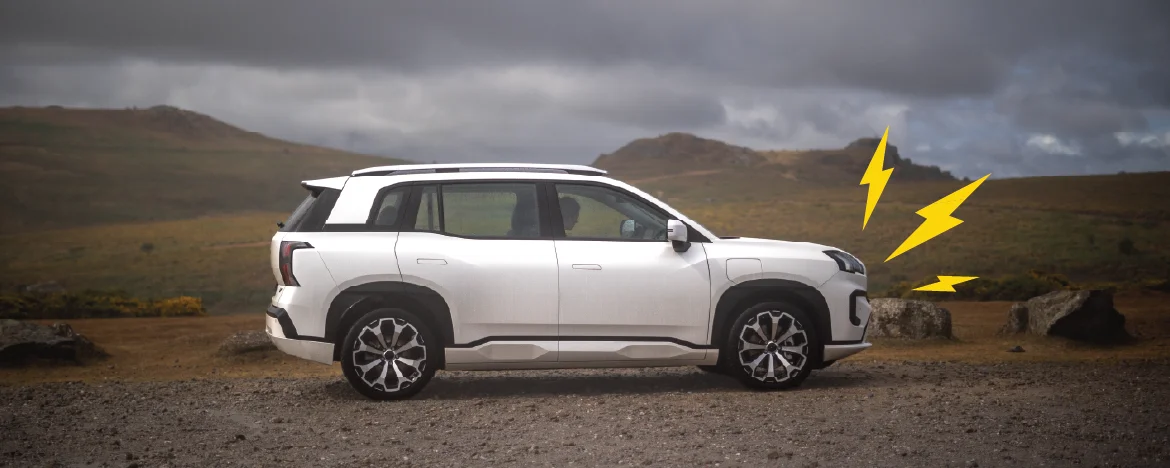
AION V

Head to head: Electric car leasing vs buying

 Leasing (PCH)Buying
Upfront costAn initial payment, usually a multiple of your monthly paymentThe full price, or a deposit if you're using finance
Monthly costFixed monthly paymentFinance repayments with interest, or nothing if you've paid outright
Depreciation riskThe finance provider carries itYou carry it
BatteryCovered by the manufacturer warranty for your leaseYours to deal with once the warranty ends
MileageAgreed annual allowance, with excess mileage chargesNo limit
Road taxIncluded at the prevailing rateYou pay it each year
MaintenanceOptional package can be addedYou arrange and pay for it
End of termHand it back and choose your next carKeep it, sell it, or part-exchange it
Best for Drivers who want a new car every few years and predictable costsLong-term keepers and high-mileage drivers
Power button in car

But what are the pros and cons?

Leasing versus PCP, HP, and buying outright  

Buying a car outright is the simplest route on paper.

You pay the full price, the car is yours from day one, and there are no monthly payments. You also absorb every penny of depreciation, which is the value a car loses over time.

Hire Purchase (HP) spreads the cost of buying over a fixed term, usually one to five years. You pay a deposit, then monthly payments with interest, and the car is yours after the final one.

Personal Contract Purchase (PCP) sits somewhere in between.

Like leasing, your monthly payments are based on the car’s predicted value at the end of the contract. Unlike leasing, you can then buy it by paying a final lump sum, known as a balloon payment, or hand it back.

PCH has no option to buy at the end, which is part of what keeps your monthly payments down.

The pros of leasing an EV

The benefits of leasing an electric car include:

  • Lower upfront cost over buying
  • Fixed monthly payments that make budgeting easier
  • No selling the car on at the end
  • Depreciation sits with the finance provider
  • The battery is covered by the manufacturer warranty for the length of your lease
  • Easy access to the latest models and technologies
  • Servicing can be bundled into your monthly payment
  • Flexible terms, mileage, and extras to suit your budget
CUPRA Born

Big, small, SUV, coupe - EVs come in every shape and size

Lower upfront cost and predictable payments

Buying a new EV outright means finding a big lump sum in one go.

Leasing swaps that for an initial rental and a fixed monthly payment, with road tax included at the prevailing rate. You can also tweak your term, mileage and initial payment to bring the monthly payment down, which gives you a lot more control over what you spend each month.

Depreciation is the finance provider’s problem

EVs lose value over time, like any car, and the drop is steepest early on.

According to the AA, most cars lose 15-20% of their value each year for the first five years, adding up to around 60% by end of that period.

Early EVs often lost value faster than petrol and diesel equivalents, although Motorway says that gap has been closing. How much an EV actually depreciates varies from model to model.

When you lease, the risk sits with the finance provider, because your payments are based on the RV set at the start.

If the used EV market takes a dip while you’re driving the car, it doesn’t change what you pay. Our guide to electric car depreciation explains how it works in more detail.

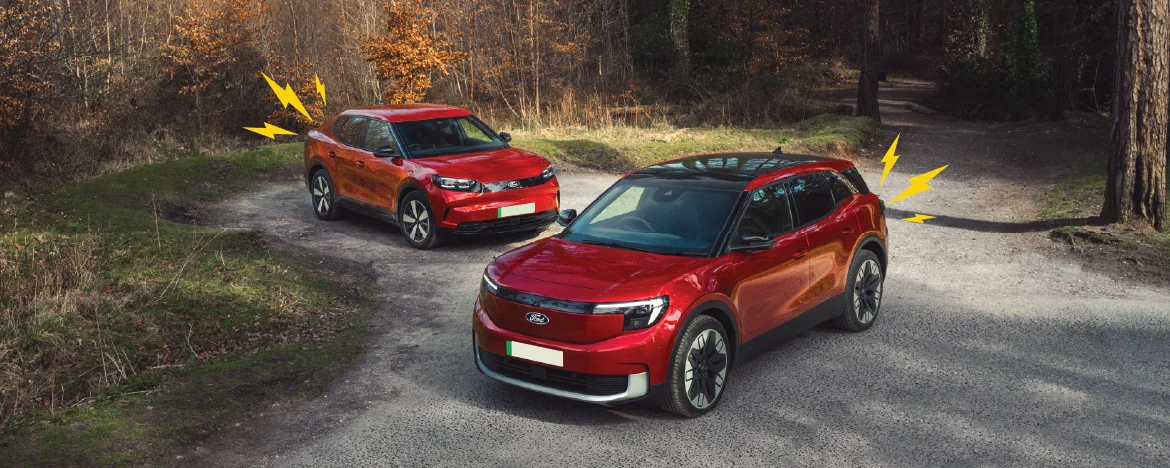
Ford Explorer and Ford Capri

Bundling a maintenance package into your lease can keep costs down

Battery worries are off the table

Battery life is one of the biggest reasons people hesitate.

The reassuring news is that EV batteries typically last 10-20 years, and they tend to lose capacity gradually rather than failing outright.

Manufacturers back that up with long warranties too. The majority of EVs available to lease come with a battery warranty of at least eight years or 100,000 miles.

Leasing takes the question off the table altogether.

Your lease sits well inside that warranty, and when you hand the car back, its long-term battery health is the finance provider’s concern. You’ll be in something newer by the time it matters.

Newer tech every few years

EV tech moves quickly.

Range, charging speeds, and in-car tech keep improving, and new brands like BYD, JAECOO, XPENG and Leapmotor keep arriving.

If the EV world is a chocolate box, it’s one that gets bigger every time you go back to the shop. Leasing gives you more chances to try the selection, whether or not you immediately reach for your favourite flavour.

It’s also a low-commitment way to try out a newer brand without tying yourself to it for a decade.

Maintenance can be bundled in

EVs generally need less maintenance than petrol or diesel cars, with no oil changes or fuel filters to worry about, which is true whether you lease or buy.

What leasing adds is the option of a maintenance package, which rolls scheduled servicing, tyres, and other wear items into your monthly payment for easier budgeting.

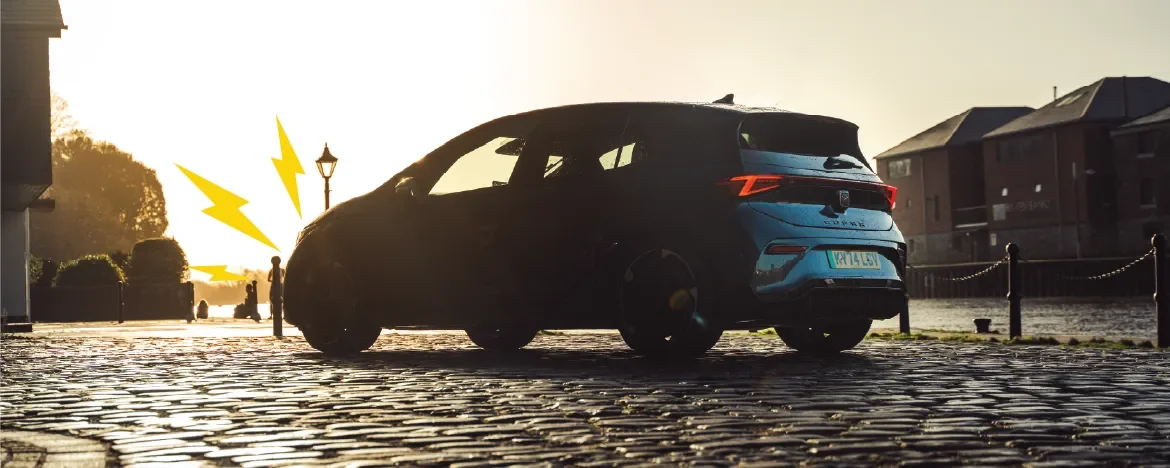
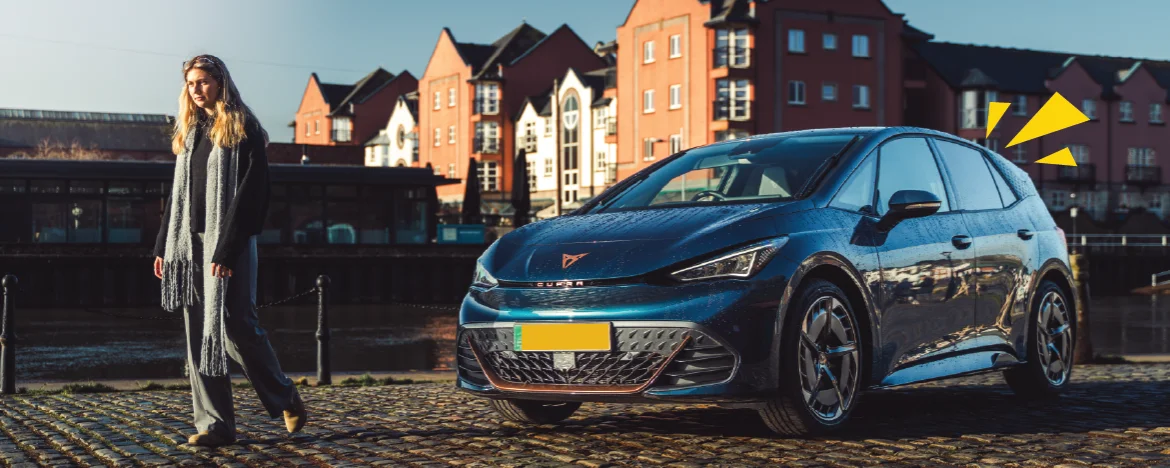
CUPRA Born on the quay in sunshine

The main downside of leasing? You'll never own the car outright

The cons of leasing an electric car

The downsides of electric car leasing include:

  • You never own the car, so there’s nothing to trade in at the end
  • Your mileage is capped, with excess mileage charges if you go over
  • Damage beyond fair wear and tear will cost you
  • Ending your lease early normally comes with a charge
  • Credit checks apply, and a poor credit score can make approval harder
  • Modifications need the finance provider’s permission
  • Insurance and charging costs are still your responsibility

Most of the cons of leasing are manageable with a bit of forward planning.

For example, estimate your mileage honestly before you choose an allowance, since it’s often easier to set it right at the start than to pay for extra miles later. In some circumstances, you can adjust your mileage mid-term for an additional cost, but this is at your finance provider’s discretion.

Being tied into a car you don’t love is the one that worries people most.

Take a proper test drive first (you can often arrange one with a local dealership), and if you’re trying an EV or a brand for the first time, a shorter term keeps your options open.

The pros and cons of buying an EV

Buying still makes sense for some drivers, especially if you like to keep a car for the long haul.

The pros of buying

  • The car is yours, with no monthly payments when it’s paid off
  • No mileage limits or excess mileage charges
  • Freedom to modify, sell, or part-exchange whenever you like
  • Can work out cheaper over a long ownership period

The cons of buying

  • A high upfront cost, or finance repayments with interest
  • You carry the depreciation, which hits hardest in the first few years
  • Battery health becomes your concern once the warranty ends
  • Fast-moving tech can make resale values harder to predict

If budget is your main priority and you’re set on owning, a used EV is worth a look.

The first owner has already absorbed the steepest depreciation, so there’s less risk for you. It’s worth just checking the battery’s state of health and how much warranty is left before you commit.

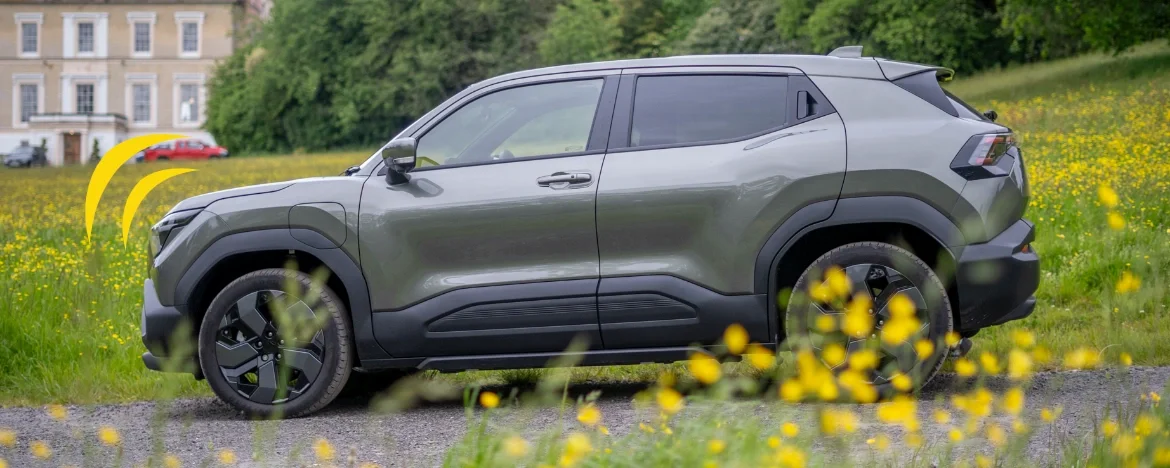
Suzuki e-Vitara

How do government initiatives affect leasing and buying?

Grants, road tax, and the 2030 ban

A few government changes affect leasing and buying in slightly different ways.

The Electric Car Grant

The Electric Car Grant gives up to £3,750 off eligible new EVs priced under £37,000, with a smaller £1,500 discount for cars in its second band. It runs until the 2028/29 financial year.

The dealer applies the discount at the point of sale, so you don’t need to apply for anything, whether you lease or buy. Our guide to the grant covers which cars qualify for which discount.

Road tax and the Expensive Car Supplement

Electric cars have paid road tax since April 2025. The rules now stand as:

  • EVs registered on or after 1 April 2025 pay £10 in the first year, then £200 a year
  • Electric cars registered between 1 April 2017 and 31 March 2025 pay £200 a year
  • Electric cars registered between 1 March 2001 and 31 March 2017 pay £20 a year

The Expensive Car Supplement adds £440 a year for five years, starting from the second year of tax. For electric cars registered from 1 April 2025, it applies if the list price was over £50,000.

Earlier electric cars still use the £40,000 threshold.

On a lease, road tax is included at the prevailing rate, so you won’t have a separate bill to pay. If rates go up during your lease, however, that increase can be passed on to you.

eVED: Pay-per-mile road tax from 2028

Electric Vehicle Excise Duty (eVED) is due to start from April 2028.

It adds a charge of 3p a mile for fully electric cars and 1.5p a mile for plug-in hybrids (PHEVs), rising with inflation from 2029/30. For a driver covering 8,500 miles a year in an EV, that’s about £255.

It’s designed to make up for the fuel duty the government loses out on as more drivers switch to electric.

But even with the additional eVED cost, charging at home is still likely to keep running costs down compared with a petrol or diesel car.

The 2030 ban and hybrid cars

From 2030, new pure petrol and diesel cars can no longer be sold.

New full and plug-in hybrids can still be leased or bought until 2035, when all new cars must be zero emission. Used petrol and diesel cars aren’t affected.

Our guide to when the ban on petrol and diesel cars starts explains what it means for you, and the ZEV mandate guide covers the targets carmakers are working to.

CUPRA Born

Enquire about your next lease today, and the keys could be in your hands next month

How long to lease an electric car for

Most EV leases run for two, three, or four years.

A shorter term suits you if this is your first EV, you’re trying a newer brand, or you like the idea of upgrading as the technology moves on.

Two years goes quickly in a market that’s shifting this fast.

On the other hand, a longer term will suit you if you’ve found a car you’re happy to live with and you’d rather not go through the process again too soon.

Prices vary from deal to deal, so compare the monthly cost across different terms before you commit.

Is leasing an electric car worth it for you?

It essentially boils down to how you drive and what matters to you.

Leasing is likely to suit you if:

  • You want lower, fixed monthly payments
  • You like switching to a newer car every few years
  • You want the latest EV tech, range and safety features
  • You’d rather not deal with depreciation or selling the car on
  • You can predict your annual mileage

Buying might suit you better if:

  • Ownership matters to you
  • You plan to keep the same car for over five years
  • Your mileage is high and you don’t want to stick to an annual allowance
  • Your financial situation might change significantly
  • You’re not fussed about the latest tech or safety features

If you’ve always kept cars for decades, buying can still be the cheaper option.

But if you’re unsure about how EV tech will move on, you’d like to try an EV before committing, or you like to switch up your car every few years, a car lease is going to be your best option.

Find an EV lease that fits how you drive

FAQs

Is leasing an electric car cheaper than buying?

Over the length of your contract, leasing can cost less, because your payments cover the car’s expected loss in value rather than its list price.

Buying can work out cheaper over a long ownership period, but you’ll carry the full depreciation and have the hassle of selling it on yourself.

What are the downsides of leasing an EV?

You won’t own the car, your mileage is capped, you’ll be charged if you want to hand the car back early, and you might pay extra for damage beyond fair wear and tear when you hand it back.

How many miles can you do on a leased electric car?

You choose an annual mileage allowance when you set up your lease, and it’s often between 5,000 and 15,000 miles a year. Go over it, and you’ll pay excess mileage charges, so it’s worth estimating honestly at the start, and giving yourself a bit of a buffer.

Do electric cars hold their value?

Like any car, EVs lose value, especially in the first three years.

Early EVs tended to lose it a lot faster than petrol and diesel cars, but there are reports that say that gap is closing, and values vary by model. Leasing protects you either way, because the finance provider carries the risk.

Can you buy an EV at the end of a lease?

Not with a PCH deal, where you hand the car back at the end of your contract.

If you’d like the option to buy, PCP lets you pay a final balloon payment to keep the car.

How much is road tax for an EV?

Electric cars registered on or after 1 April 2025 pay £10 in the first year, then £200 a year. Cars registered between 1 April 2017 and 31 March 2025 pay £200 a year, and older EVs pay £20.  

If your EV was registered from April 2025 with a list price over £50,000, the Expensive Car Supplement adds £440 a year for five years, starting in the second year.

Is leasing an EV a no-brainer?

For drivers who change cars every few years and want predictable costs, it’s hard to argue with. But it depends on your mileage, how long you keep cars, and whether ownership matters to you, so it’s worth weighing up both routes first.

Is it better to buy a used EV or lease a new one?

A used EV can be good value, because the first owner has already absorbed the steepest depreciation, but you’ll take on the battery and resale risk yourself.

Leasing a new EV costs more each month in some cases, but it gets you the latest tech, a full manufacturer warranty, and no selling hassle to deal with at the end.

Finley Vile

Finley Vile

Finley is one of our Digital Marketing Executives. She brings her keen eye for detail and wit to our blog to keep you entertained, informed, and up-to-date with the latest and greatest car news.