Your car leasing questions, answered

TL;DR: What do you need to know about leasing a car?

Leasing runs on one simple split: Your finance provider owns the car, and you look after it.

That one rule explains almost everything people ask us, from whose name is on the logbook to what happens if a stone chip turns up on the bonnet.

We’ve answered the questions our team hears most often, the ones that trip people up on day one and the ones that come up years into a lease.

Jump straight to the one you need, or read it start to finish if you’re still getting your bearings.

Car leasing doesn’t have to feel like navigating a maze blindfolded

Whether you’re a first-timer or you’ve been around the block a few times, we’ve gathered the questions we hear most often to help you find your way through what can be a confusing world.

Can’t find what you’re looking for?

Our leasing consultants are always at the end of the phone to answer your burning questions, no matter how big or small.

Everything you need to know about car leasing

Most leasing questions fall into a handful of buckets: Who technically owns the car, what happens if something goes wrong, and what you’re responsible for day to day.

The short version is that your finance provider owns the vehicle and handles anything legal or administrative tied to that ownership, while you’re responsible for insuring it, keeping it in good order, and staying within your agreed mileage.

We cover the specifics below.

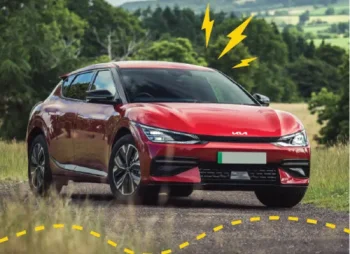
CUPRA Born

EVs, like the CUPRA Born, pay £10 road tax for the first year

Registration and ownership

Who is the registered keeper of my lease car, and do I get a V5C?

Lease agreements are what’s officially known as Contract Hire (whether that’s personal or business – PCH or BCH), which means your finance provider is both the registered owner and the registered keeper of the vehicle, not you.

They hold the V5C for the duration of your agreement and are responsible for taxing the car annually. If you need a copy of the V5C at any point, your funder can provide one once your car has been delivered.

Can I SORN a lease car?

No. A Statutory Off Road Notification (SORN) can only be made by the vehicle’s registered keeper, and on a lease agreement, that’s your finance provider – not you.

They have to keep the vehicle taxed and road-legal for the duration of your agreement, so your lease car will stay taxed even if you’re not driving it much.

If your circumstances change and you’re not using the car, contact your finance provider directly. They’ll talk you through your options, which could include ending your lease early.

Do you pay road tax on lease cars?

Road tax, or Vehicle Excise Duty (VED), is included for the full term on all contract hire agreements, so you won’t need to think about it.

For most cars registered after April 2017, including electric vehicles (EVs), first-year rates vary depending on a car’s CO2 emissions. The standard rate from the second year onwards is £200 annually – the same flat fee regardless of fuel type.

EVs do benefit from a discount in the first year, paying only £10.

If your car had a list price of more than £40,000 when new (£50,000 for electric cars), you’ll also pay an expensive car supplement of £440 for five years from the second year of registration, taking the total to £640 a year.

But since road tax is included throughout your lease, you won’t see any surprise bills.

If rates do change during your lease, your finance provider will let you know if there’s anything extra to pay.

Woman driving JAECOO 7

You'll need to be at least 18 to lease a car

Getting started

How old do I need to be to lease a car?

You’ll need to be over 18 to lease with most finance providers, although some might have slightly different age requirements. If you’re under 21, it’s worth having a chat with our team about your options.

What do I do about car insurance for a lease car?

You’ll need to arrange your own insurance, and it needs to be in place before your lease car arrives.

Shop around for the best deal, but make sure the cover is comprehensive. Third-party only won’t satisfy most lease agreements.

If you’re trying to insure the car before delivery and the registration number isn’t showing up online yet, don’t panic. It’s normal for it to take around 24 hours for a newly registered vehicle to appear on the DVLA database, but most insurers can set up your policy before then.

Just give them a call with the vehicle description and registration number.

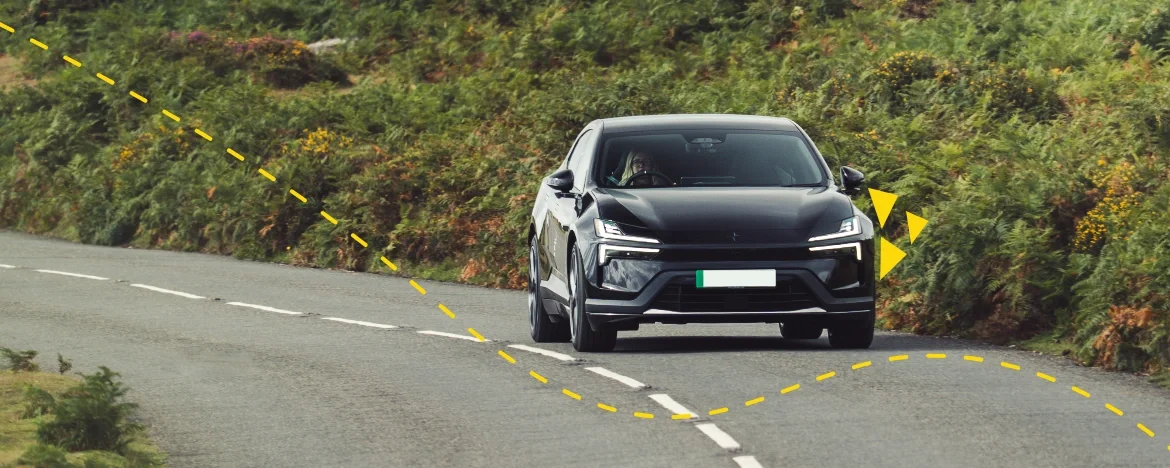
Polestar 4

Hop in your lease car and take it across the Channel

Using your car day to day

Can I take my lease car abroad?

Absolutely. But there’s a little more to sort out with a lease car than just packing your passport and hitting the road.

Get your paperwork sorted. You’ll need your full UK photocard driving licence, and if you’ve still got an old paper licence, you might need an International Driving Permit too.

Since your funder keeps the V5C, you’ll need to contact them at least two weeks before you travel to get permission and the right documents. They’ll provide a VE103 certificate and a VE103B document, which acts like a temporary V5C.

You might be charged a small fee for these documents.

Check your cover. Make sure your insurance and breakdown cover extend abroad. Some insurers reduce cover to basic levels once you cross borders.

Watch your mileage. A European trip will eat into your annual mileage allowance, so factor this into your estimate if you’re planning a longer journey.

Is there a mileage limit on lease cars, and can I change it?

You’ll choose your annual mileage limit when you take out your lease, typically between 5,000 and 30,000 miles a year. Your monthly payment reflects the mileage you choose. So, typically, the more miles you need, the higher the cost.

If you go over your agreed mileage, you’ll pay excess charges based on pence per mile, which are set out in your paperwork. It’s worth taking the time to work out how far you drive each year before you commit.

If your circumstances change partway through your lease, contact your finance provider and ask for a quote to adjust your annual mileage.

Just know that if you increase your mileage, your monthly payments will also go up.

What are the rules on smoking in a lease car?

There’s no law against smoking in your own lease car, but there are good reasons to think twice.

Long-term smoke exposure can cause interior deterioration that goes beyond fair wear and tear, and any cigarette burns will need repairing, both of which could mean extra costs at the end of your lease.

Legally, you can’t smoke in the car if any of your passengers are under 18.

Vaping is allowed too, but the dense vapour can temporarily obscure your view of the road, and the device itself can be a distraction. If a police officer believes you can’t see clearly or you’re likely to be distracted, you could face a fine and up to nine penalty points on your licence.

What are the rules on pets in lease cars?

Your furry friends are welcome along for the ride.

Just make sure they’re safely secured, and that the car doesn’t come back to your finance provider looking (or smelling) like a mobile zoo. A good set of seat covers can save a lot of hassle when you come to hand it back.

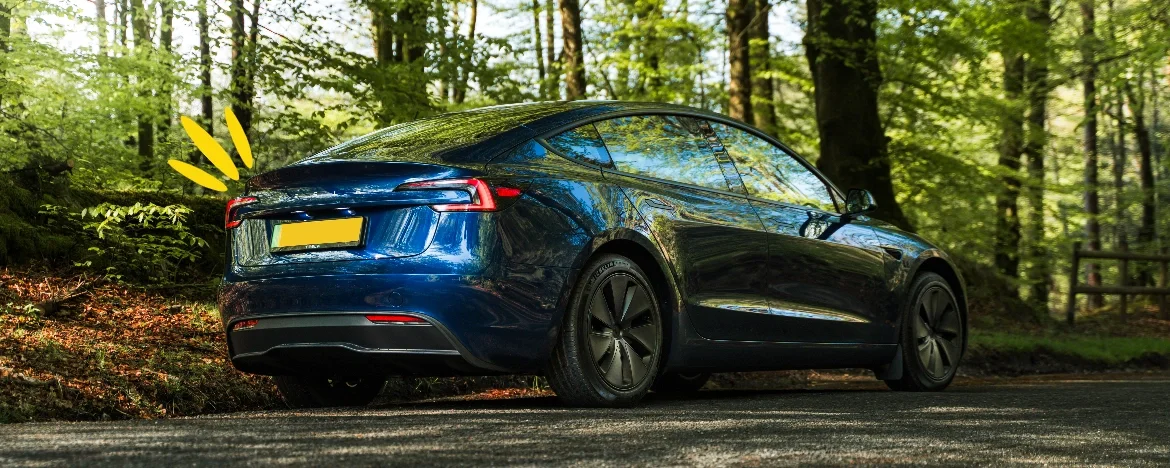
Tesla Model 3

GAP insurance can help bridge the 'gap' between what your car is worth and the finance you have left to pay

Problems and incidents

What happens if I get a parking or speeding fine on my lease car?

Your finance provider gets the fine first, because they’re the registered keeper, but they’ll pass it straight on to you.

The same applies to congestion charge fines, so keep an eye out for Clean Air Zones and Low or Ultra Low Emission Zones.

For speeding fines specifically, your funder has 14 days from the offence to respond to the DVLA with your details as the driver. It’s a legal requirement, so if you get any letters or emails about a fine, don’t sit on it. Respond promptly so the deadline can be met.

What happens if I get into a collision with my lease car?

If there’s a collision or any other incident involving your lease car, contact your insurer as soon as it’s safe to do so. Your insurance handles the claim, just as it would if you owned the car outright.

You should also notify your finance provider. Any repairs need to be carried out to their specifications to avoid damage charges at the end of your lease. If the car is written off, your funder will talk you through their process for this.

The key thing is making sure your cover is comprehensive, so you’re not left out of pocket if anything goes wrong.

It could also be worth looking into GAP insurance – which literally covers the ‘gap’ between what your car is worth and the finance you have left to pay – in the chance you do end up in a collision and the lease car is written off.

What should I do if my car arrives damaged or develops a fault?

If it arrives damaged: Your car will have gone through a pre-delivery inspection (PDI) by the dealer, but occasionally imperfections get missed.

Check your car thoroughly when it arrives, and note any damage on the delivery note before you sign for it. It’s also worth taking photos. Anything not recorded on the delivery note won’t be the dealer’s responsibility to put right.

Minor damage that falls within BVRLA guidelines, such as a small stone chip, won’t be charged at the end of your lease, but it’s still worth recording on the delivery note.

If it develops a fault: Newer cars tend to be more reliable, but as with any technology, things can still go wrong.

Your car won’t need to go back to the supplying dealer for this – you can contact your local dealer directly to arrange an appointment.

Woman smiling at Lotus Eletre

Keeping on top of your car's maintenance can pay off

Maintenance and ending your lease

How do I keep on top of MOTs and servicing?

Your car will need its first MOT when it turns three. If you’re on a three-year lease, you might be able to hand the car back before the MOT is due, which gives you one less appointment to worry about.

If your car was pre-registered, meaning it was registered before being allocated to you, the three-year MOT deadline could fall earlier than you expect.

And if your contract runs longer than three years, you’ll need to factor in getting your car MOT’d.

It’s recommended you use a main dealer for servicing, as some manufacturers offer perks like extended breakdown cover when they service your car. That said, you can usually use any VAT-registered garage using genuine manufacturer parts.

Do I have to replace tyres, and what counts as fair wear and tear?

Fair wear and tear covers the normal scuffs, scrapes, and general deterioration that comes from using your car, not damage from misuse, neglect, or collisions.

The BVRLA Fair Wear and Tear Guide sets the industry standard for what’s acceptable, taking into account the car’s age and mileage, and covers everything from paintwork to interior upholstery and tyres.

When it comes to tyres, keeping them legal and safe is your responsibility.

If you’ve opted for a maintenance package that includes tyres, you’re covered.

If not, you don’t need to replace tyres with the same brand, but they should match the original specification, and the tyres on each axle should match each other.

Any damage beyond the BVRLA guidelines will likely result in charges from your finance provider, and getting repairs done yourself beforehand is usually more cost-effective.

What if I want to end my lease contract early?

Early termination of your lease contract is possible, but it’s rarely the cheapest option.

Your finance provider will consider factors like your remaining term length, mileage, and any additional costs before giving you a quote, so speak to them first to understand what you’d be looking at.

Life happens, and circumstances change.

It’s worth knowing the financial implications before you make any decisions.

Still got questions?

If you’ve made it this far and there’s something we haven’t covered, chances are it’s more specific to your situation than a general FAQ can stretch to, and that’s exactly what our leasing consultants are there for.

No question is too small, and no scenario too niche.

If you’re still weighing up whether leasing is the right move for you, our guide on leasing versus buying breaks down the financial side in more detail, and how to lease a car takes you from enquiry to delivery.

Whatever stage you’re at, we’d rather you asked the ‘obvious’ question now than found out the hard way later.

Want to dig into leasing in more detail?

Sarah Hunt

Sarah Hunt

Sarah is the Head of Marketing and she's tasked with keeping the fantastic marketing team in line. She's probably the reason you've heard of us, and her wealth of marketing experience means that no challenge is too big.