MOT fraud is on the rise – and it’s harder to spot than ever. Here’s how car leasing keeps you well clear of it 

TL;DR: What is a ghost MOT?

A ghost MOT is a fraudulent MOT certificate issued without the vehicle ever being tested. It's increasingly common, hard to spot, and – if you're caught driving on one – the consequences could land on you, not the dodgy garage that issued it. 

If you lease a new car on a shorter term, the good news is you may never need an MOT at all.


We’ll never knock the used car market.

It’s affordable, you can find pretty much any model you’re looking for, and for many it’s a perfectly good route to car ownership.

There’s some absolute gems to be had if you know where to look. Or if you have a garage that you can genuinely trust.

Get it right and you can walk away with a car that has low mileage, top spec, and a much smaller price tag than anything you’d get new.

But get it wrong?

There are some real horror stories out there – and you don’t have to dig deep to find them.

Like buying from a reputable dealer, only to discover the motor they’ve sold you has turbo issues. Or an extended warranty from your local garage that turns out not to be worth the paper it’s written on.

Expensive inconveniences? Yes. Illegal? No.

The ghost MOT, on the other hand, absolutely is.

It’s not a literal haunting, but we’re not exaggerating when we say ghost MOTs are pure nightmare fodder: Hard to detect, increasing in frequency, and (here’s the kicker), if things go wrong, it could be the victim who ends up on the hook.

So, what exactly is a ghost MOT? 

Stick with us as we break down exactly what it is, the signs to watch out for, and how leasing keeps you well clear of the whole sorry business.
What is a ghost MOT? 

You know the drill by now; once a year your car is due its MOT – the annual inspection for any vehicles over three years old.

It’s not just for your peace of mind. It’s a mandatory legal requirement to keep your car on the road. 

And it’s usually straightforward.

You book into a garage, they carry out the inspection, and do any work that needs to be done for a pass. And once everything does pass, you're handed a certificate confirming your car is roadworthy for another year.

If you're buying second-hand and haven't got the keys yet, the dealer arranges the MOT (if it's due) before the sale completes.

Simple enough. So, this is where the ghost MOT earns its name.

Dishonest testers log a pass with the Driver Vehicle Standards Agency (DVSA) without ever inspecting the vehicle, or carrying out any work.

You may have a valid MOT certificate in your hand. But your car? It hasn’t actually been tested and any problems it might have won’t have been fixed.

Rogue mechanics pocket your MOT fee, spend nothing on parts or labour, and couldn’t care less that they’re leaving dangerous cars on the road.

You, meanwhile, walk away with no idea that the law has been broken.

Easy money for them. A ticking time bomb for you.

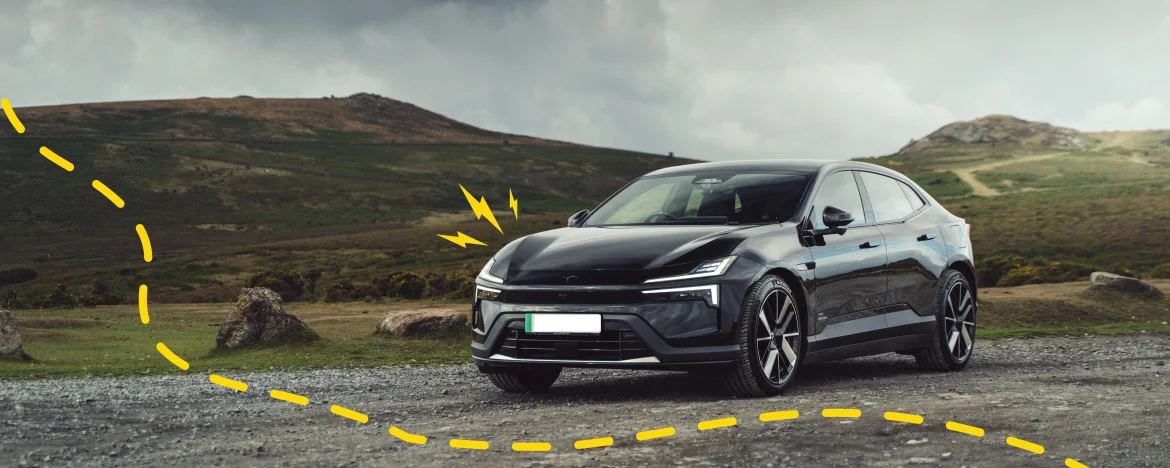
Polestar 4 with yellow accents

Any car over three years old requires an MOT

How to spot a ghost MOT

The thing that’s so insidious about this little bit of fraud is that it’s so hard for consumers to detect. The MOT certificate is the genuine article: It’s just been issued under false pretences.

You won’t know you’ve been scammed until something goes wrong on the car, or a different garage catches it.

There are some red flags to watch out for, though, whether you’re MOTing your own car or buying one second-hand:

  • Cost: The legal maximum charge for an MOT is £54.85 (not factoring any works carried out) so watch out for tests priced well below that
  • Time: An MOT should take between 40-50 minutes on average. Being called back early is a red flag
  • Date of test: If the certificate is dated on the day of purchase it’s worth querying
  • MOT history: Used cars with high mileage are unlikely to have a spotless MOT history. A completely clean record deserves a second look
  • Unresolved issues: Worn brakes, balding tyres and failing lights or windscreen wipers are still unaddressed when your car is returned
  • Reputation: Persistent poor reviews are a warning sign worth heeding

If anything raises a concern, get a second opinion from a reputable garage. If the dodgy MOT has already happened, get the car checked over; you’ll want to know if anything fail-worthy is lurking before it catches you out on the road.

What to do if you’ve had a ghost MOT

First things first – report it.

A valid MOT certificate is a legal requirement to drive your car on the road. Without one, you’re not just breaking the law, you could be putting yourself, your passengers and every other road user at risk.

Not only this, but drive on a ghost MOT and you could face prosecution. 

And your insurance could be void too. 

If you’re involved in a collision and your certificate is found to be invalid, your insurer may refuse to pay out – even though the fraudulent MOT wasn't your fault.

It’s important to report the garage or individual you suspect of falsifying your MOT to the DVSA. They take MOT fraud seriously and they’re tightening checks on testers across the UK:

  • ANPR cameras check if vehicles were in the garage at the time of the test
  • More site visits and investigations are being carried out
  • The MTS system is trialling a photo requirement that shows the whole front or back of the car, the number plate, and that it’s actually present in the testing bay
  • Testers are encouraged to use two-factor authentication (2FA) to keep their accounts secure and protect against hacking

Reporting fraud helps the DVSA shut down criminal garages, keeping the roads safer for everyone.

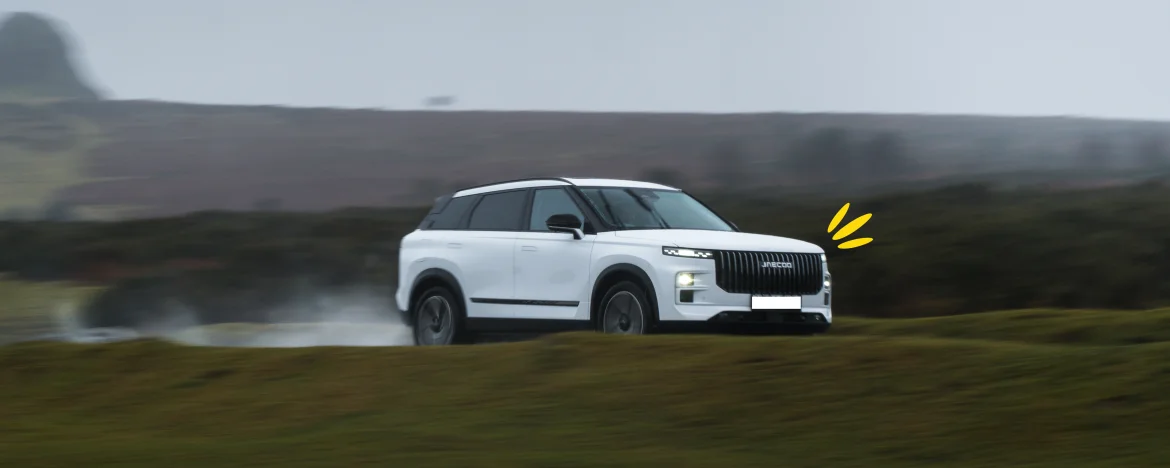
JAECOO 7 with brand accents

A short lease means never having to deal with an MOT

Why car leasing helps avoid MOT fraud

There’s so many benefits to leasing we could spend literally all day talking about them.

Access to the latest models on the market? Predictable monthly payments? No depreciation headaches? You’ve got it.

But here’s one of our overlooked favourites: Leasing reduces the need for an annual MOT.

Cars don’t require a MOT until they’re at least three years old. And when you lease with us, it’s always a brand-new car landing on your driveway – one that’s been through a thorough pre-delivery inspection (PDI) before reaching you.

Lease terms vary, meaning some will still need an MOT.

A shorter two- or three-year lease, with a car registered on the day of delivery, and you've hit the sweet spot: No MOT required for the duration of your contract.

A four-year lease means you'll face at least one MOT before handing the keys back. 

And if you've opted for a pre-registered car on a three-year lease (meaning the car was registered by the dealership before your agreement was signed) it's worth checking whether an MOT falls within your term.

No MOT requirement means no risk of falling prey to MOT fraud. It really is that simple.

So, when the time comes to replace your current car, the question is straightforward: Brave the second-hand market and the chance of a dodgy garage making a quick buck on your MOT – or take out a lease and drive away knowing your car is roadworthy, guaranteed?

We know which one we'd pick.

There you have it – everything you need to know about ghost MOT fraud, and how leasing keeps you well clear of it.

Sticking with leasing? It's never too soon to start thinking about your next car.

Chloe Allen

Chloe Allen

Our Digital Marketing Executive Chloe is in charge of our e-newsletter. There's no one better placed to inform and delight you every month, so keep your eyes peeled for her newsletter hitting an email inbox near you soon.