Looking for breakdown cover? This is how to get the most value for your money

Picture this: You’re driving home down a dark country lane in your brand-new lease car, and a pothole blows your front tyre out.

Suddenly you’re stuck. Alone in the middle of nowhere with a car that won’t move, and a crying baby on the backseat.

It’s pitch black. 

It’s getting cold. 

And there’s no spare tyre in the boot.

Sounds like a nightmare in the making, doesn’t it? But that’s exactly what breakdown cover was invented for, and while we wouldn’t spend time at a dinner party talking about it, situations like this mean it’s worth considering it if you value peace of mind.

Even if you’ve got a brand-new car like a Polestar 4, or Mercedes A-Class.

Because while most manufacturers generally include some complimentary cover when you drive off the forecourt, it doesn’t last forever. And what’s included can vary from manufacturer to manufacturer.

So, whether your complimentary policy has run out, or you just want to make sure you’re fully covered, we’ve got your back.

Our guide will walk you through everything you need to know about breakdown cover, from the different kinds, to what’s included, to how you get a deal that makes the most out of your hard-earned cash.

Sound good? Let’s get to it.
What is breakdown cover? 

Breakdown cover is a paid service designed to protect you when your car breaks down.

Flat tyre? Dead battery? Clutch problems? Whatever the problem, breakdown cover means you can get a mechanic out to assist you – without paying extortionate call out fees just to get out of a sticky situation.

It’s not a legal requirement, but it’s a really valuable safety net for anyone heading out on the road.

How do you use breakdown cover?

Let’s go back to that dark country lane with the flat tyre. You’ll need roadside assistance to get back behind the wheel.

  • Contact your breakdown provider: You may need to call a dedicated line, but many providers now have apps that make it easier than ever to explain the situation. Simply give your location and you’ll receive updates when a patrol is enroute
  • Roadside assistance arrives: An available mechanic will get to you as quickly as they can and try to repair your car on the roadside so you can get home
  • Vehicle recovery: If the problem can’t be repaired on the spot, your car and all passengers will be recovered to either the closest garage, your home address, or another location (depending on your level of cover)

Most brand-new cars come with some element of complimentary breakdown cover, but it will only cover a set period and may have restrictions.

So, before you start shopping around, check exactly what cover may already come with your lease car.

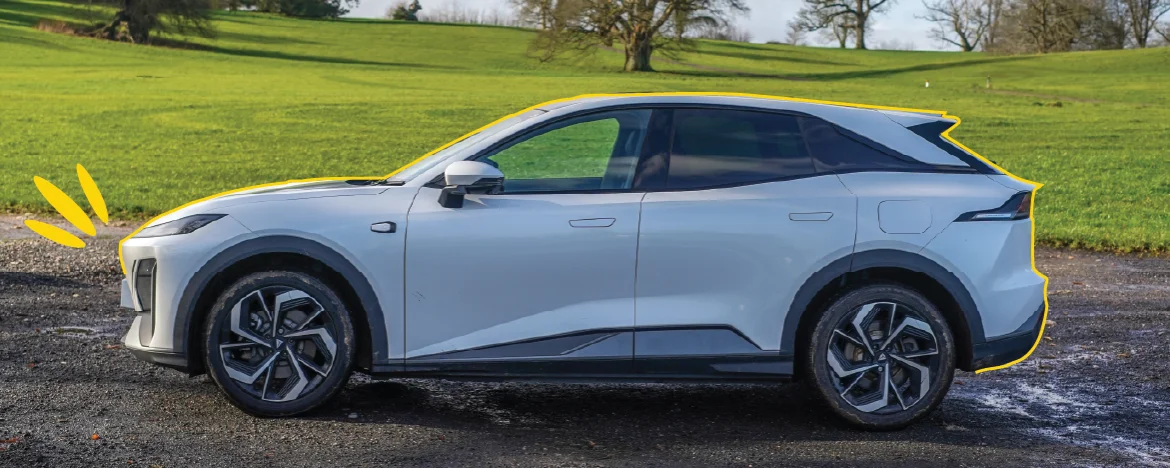
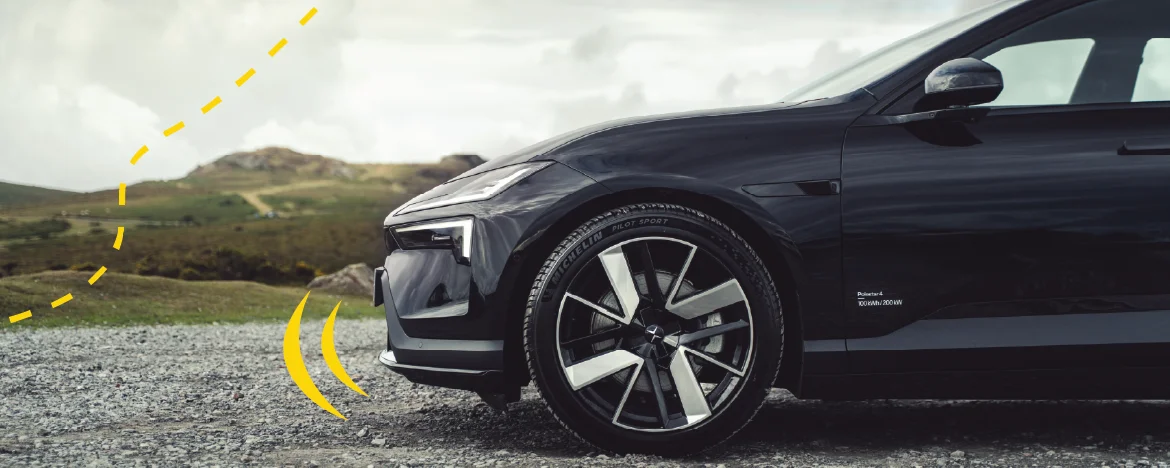
Sideshot of Polestar 4 with yellow accent

A punctured tyre can lead to a breakdown

The foundations of breakdown cover

Before you start comparing policies, getting to grips with the basics is a really good idea. Because yes, breakdown cover may seem as dry as the Sahara desert, but no one should buy before they look into the details.

That’s why understanding the basics is absolutely critical. 

Because it’s not just about what breakdown cover does – it’s what you want it to do for you.

There are different levels of cover to choose from and only you can decide what works for your habits, your lifestyle and your budget.

But as standard the following bits should be included as a minimum:

  • Roadside assistance: Where a patrol comes to help with a roadside repair
  • Minor mechanical repairs: For common problems like flat batteries, punctured tyres, and electrical faults
  • Towing and recovery: When roadside repairs aren’t possible, you’ll be taken to a safe place
  • Depleted fuel or charge: These can be given once towed to a petrol station or EV charging point

Check what's included before you buy

The easiest way to avoid buyer’s regret? Check the fine print to see what’s included in the policy you’re looking at.

If your policy is called ‘Roadside Assistance’ (or some variant thereof), you won’t be covered if you breakdown at your home address. Bit of a nightmare when you’re already running late for the morning commute and the car won’t start.

‘National Recovery’ goes a bit further. You’ll be able to call out for roadside assistance, but if an on-the-spot repair isn’t possible, you can be towed anywhere you’d like to go in the UK – not just to the closest garage.

Handy, if you’re halfway through a road trip and you breakdown hundreds of miles from home.

‘Home Start’ basically means you can still call for roadside assistance if you do break down on your driveway (or within a quarter of a mile of it). As so many breakdowns happen at home overnight (think the dreaded flat battery, or slow puncture), it’s really worth checking to see if your policy includes this.

Finally, ‘Onward Travel’ is designed to help you stay mobile with extra recovery support.

Say if you broke down on the way to your best mate’s birthday party, or crucial work conference – you’d get either a hire car, or a contribution towards public transport costs so you can still make it to your destination.

That’s tonnes better just than being towed to your closest garage and getting stuck there.

But ultimately, it’s up to you to decide what level of cover you want and to check what’s on offer before you buy.

What's the right kind of breakdown cover? 

It’s not just about levels of cover. It’s about what the cover covers.

Before you take out a policy, think about whether you’re better off with personal breakdown cover, or vehicle breakdown cover. Personal breakdown cover protects you: vehicle cover protects the car itself.

But the differences do actually go a bit deeper than that.

Personal breakdown cover will suit anyone who drives more than one car and values flexibility:

  • Protects you whether you're the driver or the passenger
  • Typically, more expensive than vehicle cover
  • Only applies if you're physically in the car at the time of breakdown unless you add someone else to your policy
  • Ideal for leasing, with cars being upgraded every two to four years – cover follows you, not the car

On the other hand, vehicle breakdown cover will work for you if you only drive one car, or if you have a car that’s driven by multiple people.

  • It offers simplicity; the cover is tied to the car not the driver
  • It’s usually cheaper than personal cover
  • Could suit small businesses with company cars

Choosing the right type of cover for your circumstances really means making the most of every penny you spend on a policy. 

Think about add-on extras

A lot of breakdown providers will let you tag some optional extras onto your policy. Great news for those of us who appreciate a bit of flexibility, and the ability to curate cover that suits our lifestyle.

But what do these extras include? 

  • Replacement parts: If spare or replacement parts are needed during a roadside repair
  • Garage repairs: If your car needs to go to the garage after a breakdown
  • Tyre replacement: When a new tyre is needed
  • Key replacement: Lost a key? No problem
  • Battery replacement: For petrol and diesel models, not electric cars (EVs)

Just check the details carefully; these extras can cover things in full, or just contribute towards them.

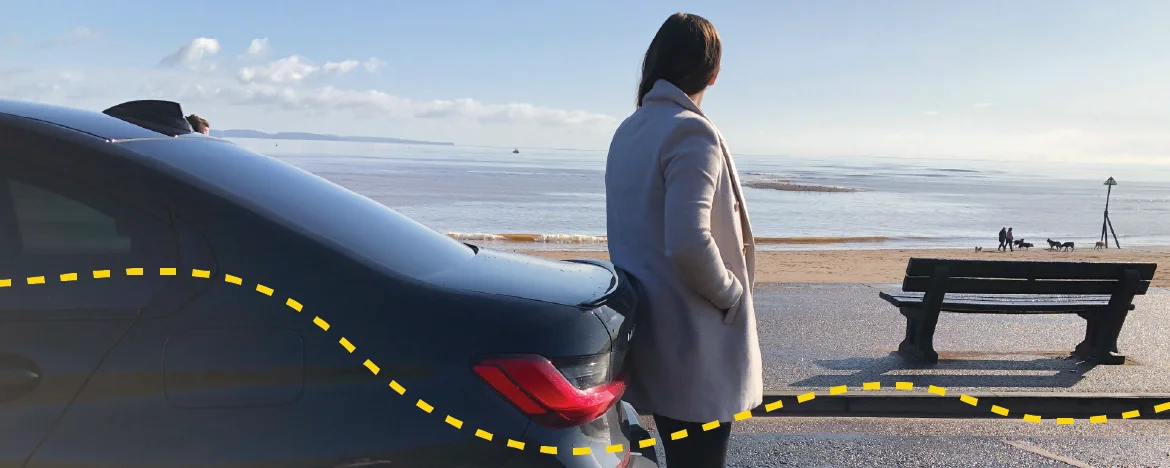
Woman with broken down car at the beach

Your car can break down anywhere

Consider European cover

Fancy an authentic French baguette? Maybe a dish of escargot overlooking the Eiffel tower? If the ferry across the English Channel is a familiar sight, you’ll really want to think about a policy that includes European cover.

You can tailor it to suit your travel plans. Cover for a single trip is perfect if you’re just popping off for a two-week jolly.

But if you plan to travel in Europe more frequently, you’ll get better value for money with an annual policy: It will cover unlimited trips throughout the year.

That’s definitely making every pound you spend go further.

Check existing cover before you buy

Let’s be honest, you may already have exactly the cover you want and need.

Brand-new cars typically come with some kind of cover, so it’s worth checking the manufacturer’s website to see exactly what’s included – and for how long.

Carmakers like Volkswagen and Ford offer Roadside Assistance for any of their models that’re less than a year old. Audi and BMW are a bit more impressive, offering three years of UK and European assistance when you buy new.

But if your lease exceeds that, you’ll run out of cover with these particular manufacturers before you hand the car back.

There’s usually an option to extend manufacturer cover, but it will mean paying through the nose for it. So before you open your wallet, just press pause for a minute and check any other policies you’ve got set up.

Like your comprehensive insurance.

Alright, most insurance companies don’t include breakdown cover as standard, but some let you add it on to your policy for a higher premium. You may even want to check what's included with your bank; Monzo (for example) offers RAC breakdown cover as part of their paid Monzo Max account. 

 It may sound simple – it may even sound obvious – but the best thing you can do to save money is make sure you’re not buying twice.

Is it the most interesting way to spend an evening? Probably not.

But by investing just a little bit of time, doing your research, and thinking about what you need out of breakdown cover, you can easily scoop up a deal that’ll make the most of your hard-earned cash.

Changan Deepal S07

Even new cars can break down

Don’t stop at great deals on breakdown cover; let’s make every penny of your lease work harder.

Frequently asked questions

Does my lease car come with breakdown cover?

Most brand-new lease cars come with complimentary breakdown cover through the manufacturer – for a set period of time.

The chances are, that cover will expire during the lifetime of your lease.

You can check what level of breakdown cover is offered and how long it lasts for on the manufacturer’s website.


Do electric cars need a different breakdown policy from petrol and diesel model? 

No, you don’t require a different policy for an EV.

Most providers will include EV coverage these days.

What you need to check is whether your policy covers specialist EV towing (towing with wheels on the ground can damage the powertrain, so it will require a flatbed recovery) and roadside charging capabilities.


My car is brand-new – why would it break down?

Not all breakdowns are due to mechanical failures.

Some of the most common causes include flat tyres and flat batteries, which can happen to a car of any age. That’s why breakdown cover is worth considering, even on a brand-new car.

Chloe Allen

Chloe Allen

Our Digital Marketing Executive Chloe is in charge of our e-newsletter. There's no one better placed to inform and delight you every month, so keep your eyes peeled for her newsletter hitting an email inbox near you soon.