Leasing vs buying a car: Which is better?

TL;DR: Should you lease or buy a car?

If you drive a predictable number of miles, like changing your car every few years and aren’t bothered about owning it, leasing is likely to suit you best.

Monthly payments are usually lower and you won’t have to sell the car at the end.

If you want to own your car eventually, but can’t (or would rather not) pay for it all at once, PCP or Hire Purchase (HP) spreads the cost. And if your mileage is particularly high or you keep cars for years, buying usually works out better over time.

Your car is one of the biggest things you’ll ever purchase, and there’s more than one way to pay for it

You can buy it outright and call it yours.

You can spread the cost with finance and own it at the end.

Or you can lease it, drive it for a few years, and hand the keys back when your contract is finished.

Each route suits a different kind of driver, and the right method of car finance depends on how far you drive, how long you like to keep a car, and how much you care about owning it.

Here’s how leasing, Personal Contract Purchase (PCP), and buying – whether that’s outright or as a Hire Purchase (HP) – compare, so you can pick the right route for you.
 Leasing (PCH)PCPBuying
Upfront costInitial payment, usually one to nine months' paymentsDeposit, normally around 10% of the car's priceThe full price, or a deposit if you use HP
Monthly paymentsUsually the lowest of the threeUsually higher than leasingNone if you pay outright, or fixed payments with interest on HP
OwnershipYou never own the carOptional, by paying a final balloon paymentYours outright, or once the last HP payment has been made
MileageAgreed annual allowance, with excess mileage chargesAgreed annual allowance, with excess mileage limits if you hand it backNo limits
DepreciationThe finance provider takes the riskProtected by the Guaranteed Future Value if you hand it backYou carry all the risk
End of contractHand it back and lease something newPay the balloon and keep it, hand it back, or part-exchangeKeep it for as long as you like, sell it when you want
Early terminationPossible, but normally comes with a chargePossible, with options once you've paid half of what you oweOutright, sell whenever you like. With HP, settle early or hand it back once you've paid half of what you owe
Best forDrivers who want a new car every few years and fixed costsDrivers who want flexibility now and the option to own laterHigh-mileage drivers and long-term keepers
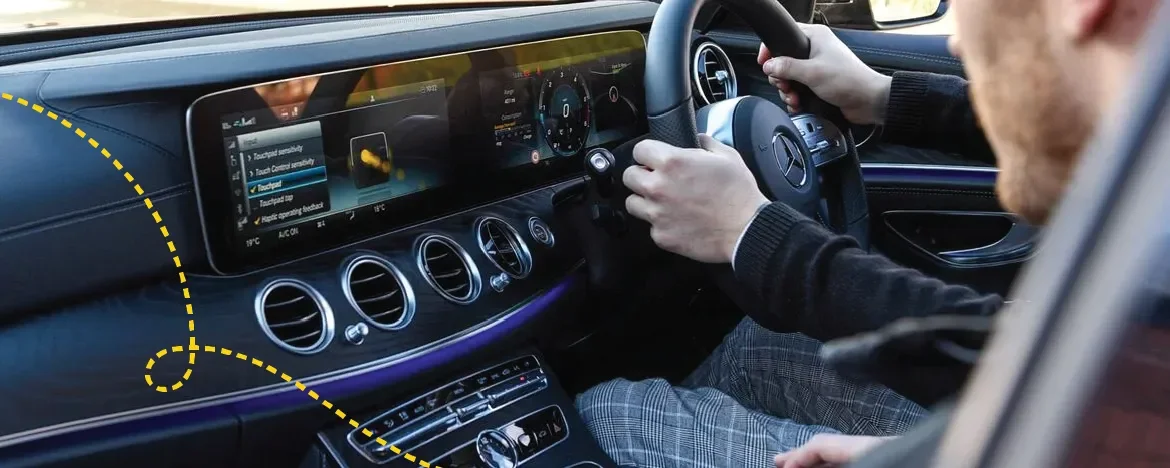
Men driving a car

Men driving a car

How car leasing works

Car leasing, or Personal Contract Hire (PCH), is a lot like renting a house.

You pay a fixed monthly payment to drive a brand-new car for a set term, normally two to four years, then hand it back at the end. You’ll choose your term, your annual mileage, and how much to pay upfront.

Your initial payment is usually between one and nine months’ payments.

With a no deposit lease, you just pay your first month with no additional cost. But generally, the more you pay at the start, the lower your monthly payments will be.

Your monthly payments are mostly based on the car’s depreciation over your lease term, so if it’s worth less than the forecast when you hand it back, the finance provider takes the hit. You’ll only pay extra if you go over your mileage allowance, or return the car with damage beyond the Fair Wear and Tear guidelines.

Road tax is included at the prevailing rate, and you can add a maintenance package to roll servicing into your monthly payment.

How PCP works

PCP is a type of car finance that spreads the cost of a car over a fixed term, with the option to buy it at the end.

You’ll usually put down a deposit, often around 10% of the car’s price, and agree a term and annual mileage. The finance provider predicts what the car will be worth at the end, known as the Guaranteed Future Value (GFV).  

Your monthly payments cover the gap between the car’s price and its GFV, plus interest, and the GFV is left as one final lump sum called the balloon payment.

When your agreement ends, you’ve got three options:

  1. Pay the balloon payment and keep the car
  2. Hand the car back and walk away  
  3. Part-exchange it, putting any value above the GFV towards your next car

But that flexibility comes at a price. You’ll pay likely interest on your monthly payments, and you’ll need a full service history to protect the GFV.

If you want to keep the car, you’ll also need to find the cash for the balloon payment at the end.

How buying a car works

Buying a car outright is the simplest route on paper.

You pay the full price, and the car’s yours from day one, with no monthly payments, no mileage limits, and nobody to answer to about the scratch on the bumper.

If you’d rather not hand over the full amount in one go, HP lets you spread it over a set term. You’ll pay a deposit, then fixed monthly payments with interest over one to five years, and then the car is yours.

There’s no balloon payment, so monthly payments are higher than on PCP for the same car.

Either way, you carry all of the depreciation, which is the value a car loses over time. So, if after five years you come to sell up, you could find that the car is worth less than expected when you took out the finance agreement.

With buying, there’s also the choice of financing the car in some other way, like with a bank loan or credit card.

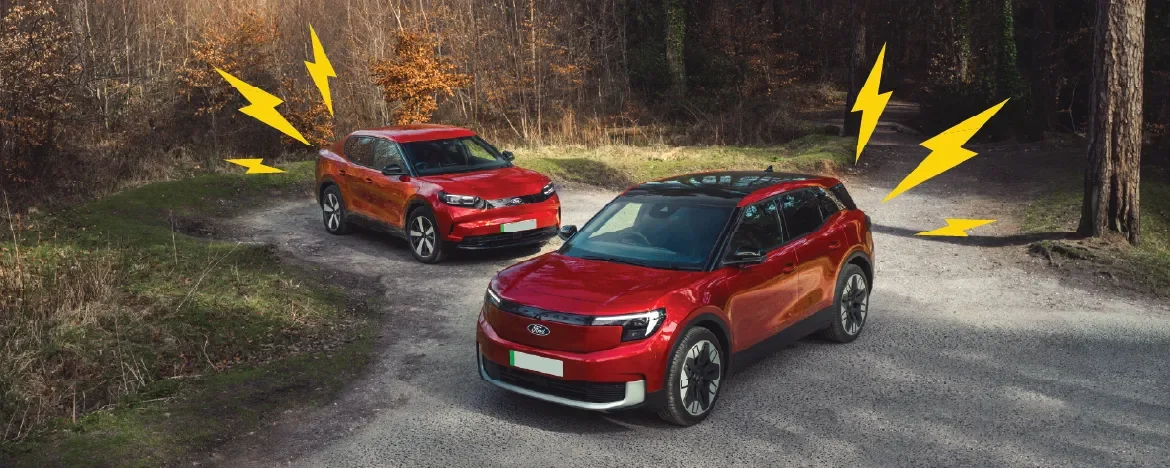
Ford Capri and Explorer

Ford Capri and Ford Explorer

The difference between leasing and PCP

PCP and leasing aren’t the same thing, though they look similar.

The big difference is ownership.

PCP gives you the option to buy the car at the end of your agreement by paying the balloon payment. Leasing doesn’t, so you’ll always hand the car back.

Both spread the cost of a new car over a fixed term with monthly payments, and both come with an agreed mileage allowance and charges for excess mileage or damage if the car goes back. Both also involve a credit check.

So, if owning the car one day matters to you, PCP keeps that door open.

If you’re happy to swap into something new every few years and never think about selling a car again, leasing is the simpler route.

The pros and cons of leasing

The pros of leasing

  • A lower upfront cost than buying
  • Fixed monthly payments that make budgeting easier
  • A brand-new car every few years
  • Depreciation sits with the finance provider
  • No selling the car at the end
  • Road tax included at the prevailing rate
  • Option to add a maintenance package
  • Usually covered by the manufacturer’s warranty for the whole lease

The cons of leasing

  • You never own the car, so there’s nothing to sell or part-exchange at the end
  • Your mileage is capped, with excess mileage charges if you go over
  • Damage beyond fair wear and tear will cost you
  • Ending your lease early usually comes with a charge
  • A credit check applies
  • Modifications or taking it abroad need the finance provider’s permission

Most of the downsides are manageable with a bit of forward planning.

For example, the more accurate you can be with your mileage calculation at the start, the less likely it is you’ll have to fork out an excess mileage charge at the end.

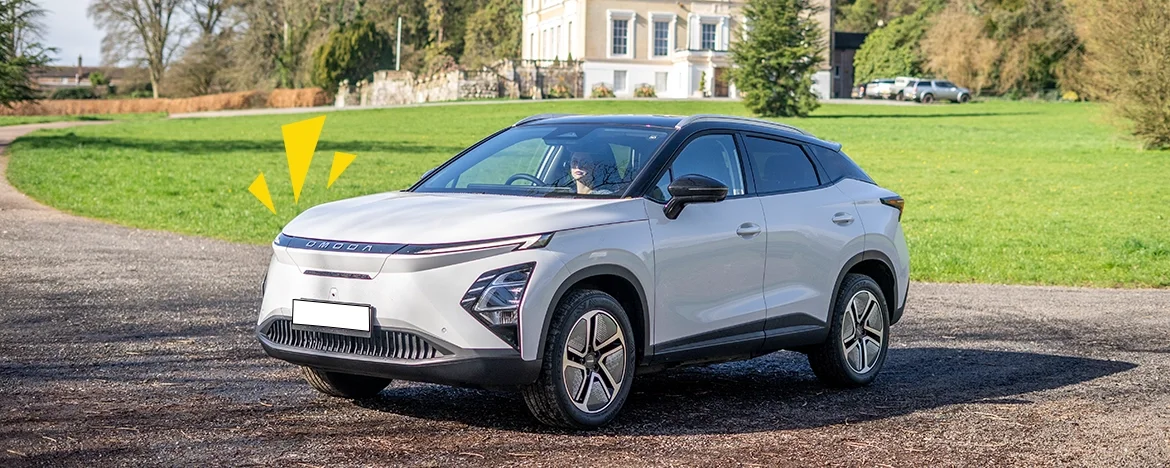
OMODA 5

OMODA 5

The pros and cons of buying

The pros of buying

  • The car is yours, with no monthly payments once it’s paid for
  • No mileage limits
  • Freedom to modify, sell, or part-exchange whenever you like
  • Can work out cheaper if you keep the car for a long time

The cons of buying

  • A big upfront cost, or monthly payments with interest on HP
  • You carry all the depreciation risk, which hits hardest in the first few years
  • Repairs are on you once the manufacturer’s warranty runs out
  • Selling or part-exchanging the car is up to you


Lease, PCP, or buy: How to choose

It all comes down to your mileage, your budget, and how you feel about ownership.

If you still have the toaster you bought in 1990 and see no reason to replace it, buying might be more your style.

Choose leasing if:

  • You drive a predictable number of miles each year
  • You’d like lower, fixed monthly payments
  • You like changing your car every few years
  • You’d rather not deal with depreciation or selling the car on

Choose PCP if:

  • You’d like the option to own the car, without paying for it all upfront
  • You want lower monthly payments than HP on the same car
  • You can afford a deposit and the possibility of a balloon payment at the end

Choose to buy if:

  • You want to keep the car long term (over five years)
  • You have the cash to pay upfront, or can afford to finance the full cost
  • You’re a high-mileage driver
  • You want to modify your car without having to ask

Think about where you’ll be when your contract ends, too. If your work or home life might change in the next few years, a lease or a PCP deal gives you a natural end point to rethink.

Got decision fatigue? Let us help

FAQs

Is it cheaper to lease or buy a car?

Month to month, leasing is usually cheaper than buying a car on finance, because your payments cover the car’s expected loss in value, rather than its full price.

In the long run, buying can work out cheaper if you keep the car for a long time, but you’ll carry the depreciation and the job of selling it yourself.

Is leasing cheaper than PCP?   

Leasing usually has lower monthly payments than PCP on the same car, and there’s no balloon payment at the end.

Upfront costs differ too. A lease starts with an initial payment of a set number of monthly payments, while PCP usually needs a deposit of around 10% of the car’s price.

The total cost of PCP depends on what you do at the end.

Hand the car back and you’ll have paid your deposit and monthly payments, plus interest.

Pay the balloon to keep it, and you’ll pay considerably more overall, although you’ll then own an asset with some value left in it.

What’s the biggest downside to leasing a car?

For most people, it’s that you never own the car, so there’s nothing to sell or part-exchange when the lease ends.

The mileage cap is the other big one, since going over your allowance means paying excess mileage charges.

Can I lease a car or get PCP with bad credit?

Credit is subject to status for both leasing and PCP, and a lower credit score can make approval harder or limit your options.

Our guide on whether it’s possible to lease a car with bad credit explains what finance providers look at, and our team can talk you through your options.

Can I end a lease or PCP agreement early?

You can end a lease early, but there’s usually an early termination charge.

With PCP, you can hand the car back once you’ve paid half of the total amount payable, including interest and fees, or settle early by paying off what you owe.

Ryan Darby

Ryan Darby

Ryan takes the lead on all things 'wordy'. With a sports media background, a true passion for cars, and a LOT of driving experience under his belt, he'll make sure you have all the information you need, when you need it.