Road tax
Road tax, or Vehicle Excise Duty (VED) to give it its proper name, has been around since 1937.
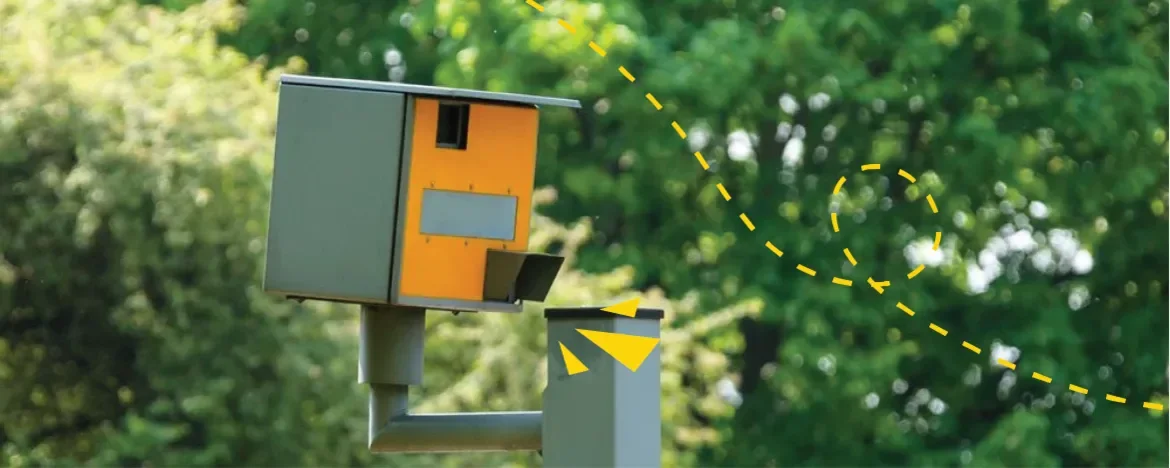
If you’re picturing a paper disc taped to the inside of your windscreen, that ritual ended in 2014. These days, a network of Automatic Number Plate Recognition (ANPR) cameras check your plates against the DVLA’s database and flags you up automatically if you’re not taxed.
The principle hasn’t changed. If you want to use a vehicle on a public road, you pay something for it.
But what has changed is how much you pay.
How VED is calculated
Three things decide what you pay: When your car was first registered, what fuel it runs on, and how much CO2 comes out of the exhaust.
For cars registered on or after 1 March 2001, that CO2 figure is what drives the cost, so the cleaner the car, the less you pay. Anything registered before 1 January 1984 is classed as historic and exempt from taxation altogether.
Tax rates for cars registered after April 2017
New cars pay a first-year rate based on emissions, from £10 for a zero-emission or very low-emission car, up to £5,690 for the dirtiest bracket.
From year two, most petrol, diesel, hybrid and electric cars move onto a flat standard rate of £200, whatever they emit.
The expensive car supplement
If your car’s list price was over £40,000 when new, you’ll pay an extra £440 a year on top of the standard rate for five years, starting from the second time you tax it.
For zero-emission cars, the threshold is £50,000 instead.
The average new electric car (EV) costs more than most petrol equivalents, so a fair few EVs would otherwise have tipped into supplement territory when a similar petrol car wouldn’t.
Electric cars and VED
Electric vehicles had a tax-free run for years, and it was one of the best financial incentives for going electric. That all changed on 1 April 2025, when EVs moved into the VED system for the first time.
New ones pay £10 in year one, then the standard £200 from year two, just like everything else.
Cars registered between 1 April 2017 and 31 March 2025 pay £200 a year outright, with no discounted first year. Older EVs, registered between March 2001 and March 2017, sit in a much cheaper legacy band at £20 a year.
What happens if you don’t tax your car?
Miss your renewal, and you’ll get a Late Licensing Penalty letter first, with an £80 fine that drops to £40 if you pay within 33 days.
Drive or keep an untaxed vehicle without a Statutory Off Road Notification (SORN), and you’ll face an Out of Court Settlement instead: £30 plus one and a half times the outstanding tax.
Leave that unpaid too, and a magistrates’ court can fine you £1,000 or five times the amount owed, whichever is greater – rising to £2,500 if you were caught driving on a public road. Your car can also be clamped, with a £100 release fee due within 24 hours, or £200 plus £21 a day storage if it’s towed.