Keep your emissions down without plugging in with these six low emission cars

TL;DR: What are the best low emission cars that aren’t hybrid or electric?

If you’re looking for a low emission car that doesn’t have a plug, you’ll want to be looking at anything under the average new petrol car (141.8g/km). We’ve rounded up six diverse picks that fit this definition, and make for excellent lease cars. These are:

  • Suzuki Swift 1.2 Mild Hybrid: 99g/km
  • Peugeot 2008 Hybrid 145: 112g/km
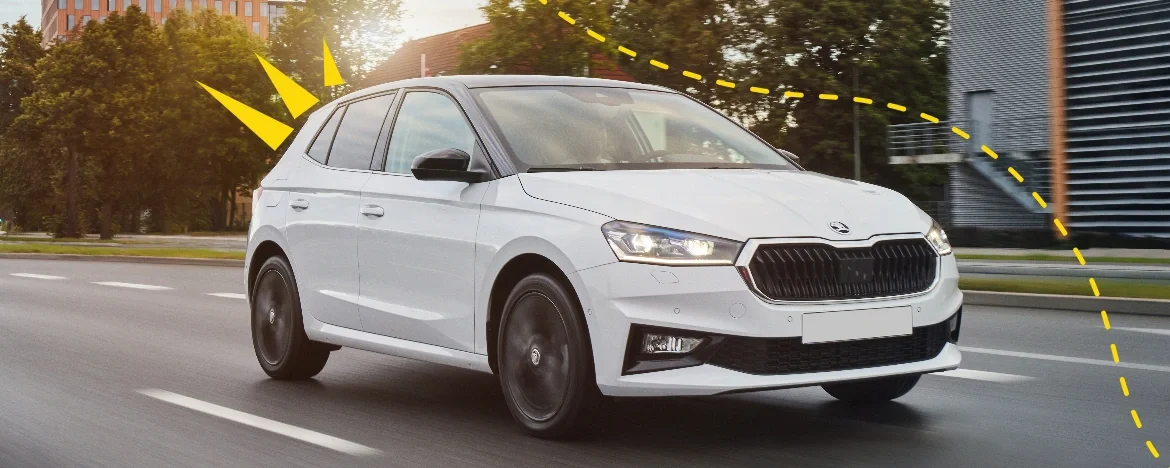
  • SKODA Fabia 1.0 TSI 95: 113-115g/km
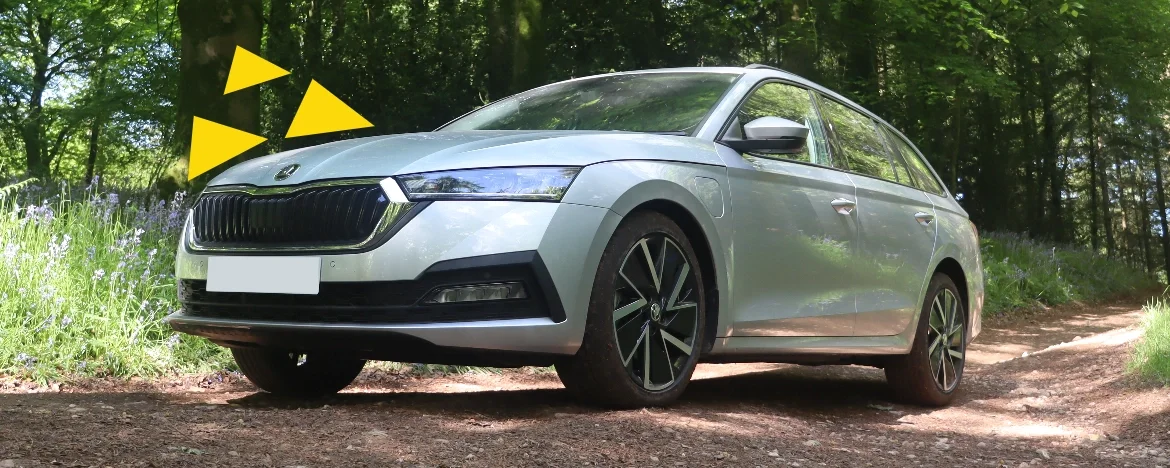
  • SKODA Octavia Estate 2.0 TDI 116: 114-117g/km
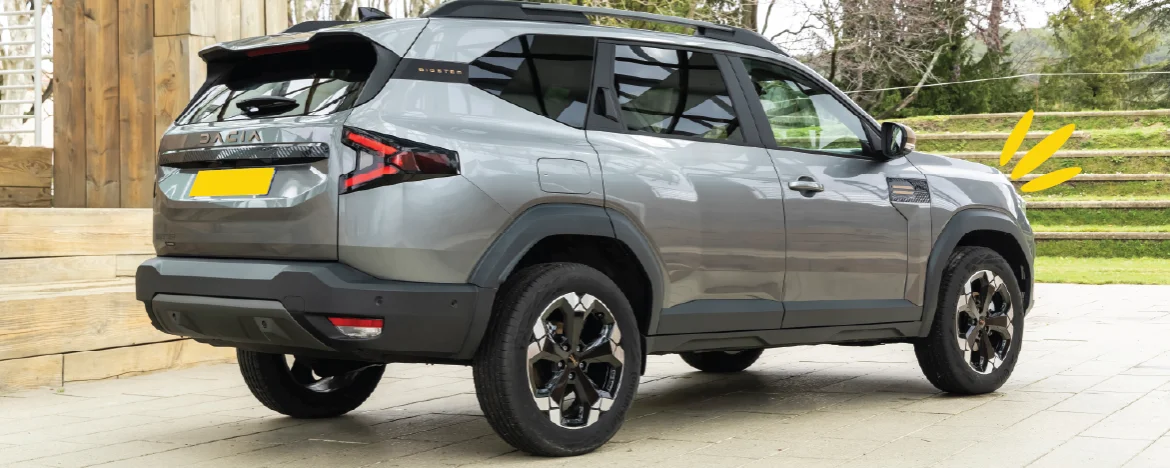
  • Dacia Bigster 1.2 TCe 140: 122g/km
  • Audi A3 Sportback TFSI 116: 126-130g/km

There’s no official definition as to what makes a car low emission

The closest thing is the government’s definition of an ultra-low emission vehicle (ULEV). The Vehicle Certification Agency (VCA) defines an ULEV as any car that emits less than 75g/km of CO2 from its tailpipe.

In practice, that means electric vehicles (EVs) and most plug-in hybrids (PHEVs).

There’s no equivalent cut-off for a plain ‘low emission’ car. So, we’ve drawn our own line: The average new petrol car registered in the UK in 2025, which emitted 141.8g/km according to Department for Transport (DfT) figures.

And every car on our list beats it comfortably.

To be upfront, the average for all new cars was lower, at 92.1g/km. But electric cars not only have the second largest market share of all new car registrations this year (at 32%), but they also count as zero emission. So, the 92.1g/km figure is pulled down.

We’re comparing petrol and diesel cars with other petrol and diesel cars, which feels like the fairer fight.

All the figures we quote come from the Worldwide Harmonised Light Vehicles Test Procedure (WLTP). WLTP is the official lab test that measures a car’s fuel economy (in miles per gallon, or mpg), CO2 emissions, and electric range, if applicable.

Your real-world figures will depend on how and where you drive, but WLTP gives you a fair way to compare one car with another.
CO2 and air quality

CO2 is the main greenhouse gas behind climate change, and it sets how much road tax you pay in your car’s first year.

Clean air zones (CAZ) and London’s Ultra Low Emission Zone (ULEZ) instead look at the nitrogen oxides (NOx) and particulates that affect the air we breathe.

Euro emissions standards cover those.

To drive in the ULEZ without paying, petrol cars need to meet Euro 4 and diesels need Euro 6, according to Transport for London. Every new car on sale today meets Euro 6, so all of our low emission picks are in the clear.

Low emission cars compared

CarTypeFuelCO2 (WLTP Comb)Fuel economy (WLTP Comb)
Suzuki SwiftSmall carPetrol mild hybrid99g/km64.2mpg
Peugeot 2008Small SUVPetrol mild hybrid112g/km51.3-62.4mpg
SKODA FabiaSmall carPetrol113-115g/km55.4-56.5mpg
SKODA OctaviaEstateDiesel114-117g/km63-64.3mpg
Dacia BigsterFamily SUVPetrol mild hybrid122-124g/km52.3mpg
Audi A3 SportbackPremium hatchbackPetrol126-130g/km49.6-50.9mpg

Figures from manufacturer data. CO2 and economy vary with wheel size and options

Suzuki Swift

Suzuki Swift

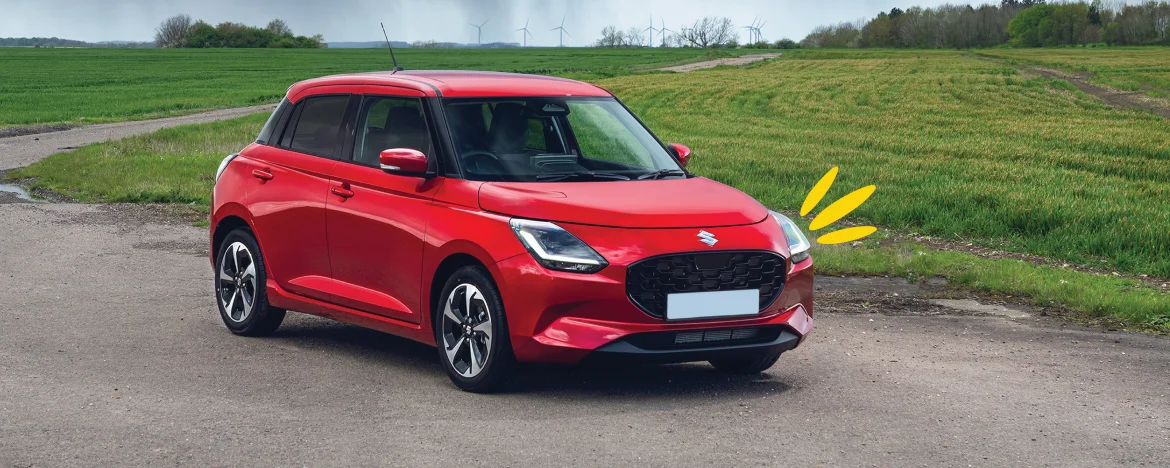
Suzuki Swift: Best small low emission car

  • CO2: 99g/km (WLTP Comb)
  • Economy: 64.2mpg (WLTP Comb)
  • Engine: 1.2-litre petrol mild hybrid, 80hp
  • Gearbox: Five-speed manual

The Suzuki Swift is the only car on our list to dip under 100g/km, and it does it without any fuss.

There’s no turbocharger and no plug, just a small three-cylinder petrol engine with a bit of mild hybrid help in a car that weighs less than a tonne. Light cars don’t need much effort to get moving, so the Swift feels nimble around town.

And even the entry-level Motion trim comes properly equipped.

You get adaptive cruise control, heated front seats, a reversing camera, blind-spot monitoring, and a 9nine-inch touchscreen with Apple CarPlay and Android Auto.

The 265-litre boot is a touch on the snug side, but it’s a city car first and removals van a very distant second.

Our pick: Suzuki Swift 1.2 Mild Hybrid Motion

Peugeot 2008

Peugeot 2008

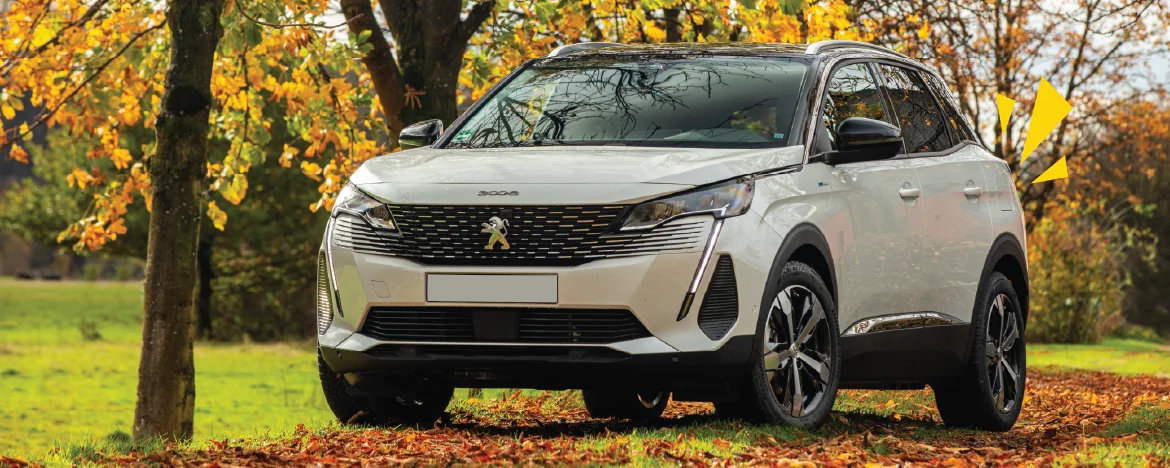
Peugeot 2008: Best low emission small SUV

  • CO2: 112g/km (WLTP Comb)
  • Economy: Up to 64.2mpg (WLTP Comb)
  • Engine: 1.2-litre petrol mild hybrid, 143hp
  • Gearbox: Six-speed automatic

The Peugeot 2008 says ‘Hybrid’ on the back, but this one’s a mild hybrid.

A 48V battery and a small electric motor help the petrol engine along, so you never need to plug it in.

That help makes a real difference.

The Hybrid 145 emits 26g/km less CO2 than the 2008’s non-hybrid 130 petrol automatic, and it’s the quicker of the two. It also has the lowest NOx emissions in the 2008 petrol range.

Inside, the 2008 feels like a car from the class above.

The design is sharp, the materials are good, and the Allure trim includes automatic air conditioning, rain-sensing wipers, cruise control, privacy glass, and a 10-inch touchscreen with wireless Apple CarPlay and Android Auto.

Our pick: Peugeot 2008 1.2 Hybrid 145 GT Premium

SKODA Fabia

SKODA Fabia

SKODA Fabia: Best low emission car without beinga hybrid

  • CO2: 113-115g/km (WLTP Comb)
  • Economy: 55.4-56.5mpg (WLTP Comb)
  • Engine: 1.0-litre turbo petrol, 93hp
  • Gearbox: Five-speed manual

If you’ve been told you need a hybrid to keep your emissions down, the SKODA Fabia would like a word.

There’s no battery and no electric motor here, just a small turbocharged petrol engine that’s efficient enough to beat the average new petrol car by more than 25g/km.

The Fabia is also one of the most practical small cars around.

Its 380-litre boot is bigger than you’d expect from a car this size, the front of the cabin feels roomy, and there’s plenty of storage for the odds and ends that collect in every car.

Our pick: SKODA Fabia 1.0-litre TSI SE Edition

SKODA Octavia Estate

SKODA Octavia Estate

SKODA Octavia Estate: Best low emission diesel

  • CO2: 114-117g/km (WLTP Comb)
  • Economy: 63-64.3mpg (WLTP Comb)
  • Engine: 2.0-litre diesel, 114hp
  • Gearbox: Six-speed manual

Diesel has had a rough few years, but the right one can still be one of the most efficient ways to cover big miles.

But the average new diesel car emitted 178.5g/km in 2025, according to government figures. The SKODA Octavia Estate’s 2.0 TDI comes in more than 60g/km lower, and it beats the average new petrol too.

Then there’s the boot.

With the rear seats up, you get 640 litres, which is more than the Mercedes-Benz E-Class Estate. Fold them down, and that grows to 1,700 litres, which should cover a flat-pack wardrobe, the dog, and most of a garden centre.

The Octavia rides comfortably, there’s room in the back for a six-foot passenger, and the interior feels a cut above its price. It’s a car that suits families and high-mileage drivers equally well.

Our pick: SKODA Octavia Estate SE Technology 2.0 TDI 116

Dacia Bigster

Dacia Bigster

Dacia Bigster: Best low emissions family SUV

  • CO2: 122-124g/km (WLTP Comb)
  • Economy: 52.3mpg (WLTP Comb)
  • Engine: 1.2-litre turbo petrol mild hybrid, 138hp
  • Gearbox: Six-speed manual

The name doesn’t leave much to the imagination, and neither does the space.

The Dacia Bigster’s mild hybrid 140 has a 667-litre boot which is the biggest in the Bigster range and one of the biggest you’ll find in a family SUV at this price.

A 48V mild hybrid system helps the turbocharged petrol engine, keeping CO2 low for a car this size. It rides comfortably, there’s plenty of headroom in the back, and the 40/20/40 rear seats fold to suit whatever you’re carrying.

Journey trim is the sweet spot.

It adds heated front seats, a heated steering wheel, an electric tailgate, a 10.1-inch digital driver’s display and an upgraded sound system.

Dacia has also kept proper physical buttons for the climate controls, so you won’t need to dig through a menu to warm up on a frosty morning.

Our pick: Dacia Bigster 1.2 TCe 140 Journey

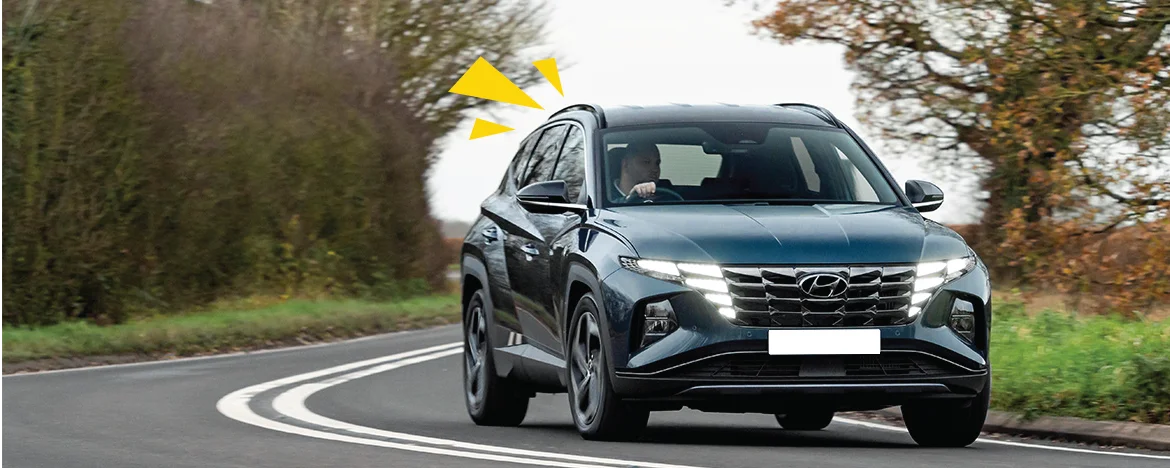
Hyundai Tucson

Hyundai Tucson

Audi A3 Sportback: Best premium low emission car

  • CO2: 126-130g/km (WLTP Comb)
  • Economy: 49.6-50.9mpg (WLTP Comb)
  • Engine: 1.5-litre turbo petrol, 114hp
  • Gearbox: Six-speed manual

Low emissions and a premium badge aren’t mutually exclusive.

The Audi A3 Sportback with the TFSI 116 engine is a plain petrol, with no hybrid system at all, and it still comes in more than 10g/km under the average new petrol car.

Sport trim is the one to look at.

It rides more comfortably than the sportier S Line, and it still comes with plenty of standard kit. The engine is quiet and refined, the driving position is spot on, and the interior has had a quality boost since the A3’s last update.

Our pick: Audi A3 Sportback 1.5 TFSI 116 Sport

Mild hybrids explained

Three of our six picks have ‘mild hybrid’ somewhere in the spec.

A mild hybrid has a small battery and a starter-generator that helps the engine when you pull away and recover energy when you slow down. That takes some of the load off the engine, and trims fuel use and emissions.

It can’t drive far on electric power alone, if at all, and you never plug it in.

From behind the wheel, it just feels like a normal petrol or diesel car.

A full hybrid has a bigger battery and can drive short distances on electric power alone. A plug-in hybrid goes further again, with a battery you can charge at home or at a public charger.

Our guide to the different types of hybrid explains each one in more detail.

Going even lower

If the lowest possible emissions are your top priority, a petrol or diesel car won’t win that race.

Full hybrids (FHEV) and plug-in hybrids (PHEV) go lower, with the average new PHEV emitting just 22.9g/km CO2 in 2025, according to the Department for Transport. Electric cars produce no tailpipe emissions at all.

If you can charge at home, they’re well worth a look.

But if plugging in your car doesn’t fit your life right now, any of the six cars above will keep your emissions down without changing how you drive.

Find your low emission lease deal

Whether it’s a nippy Swift for the school run, or an Octavia Estate for the long haul, we’ll help you get behind the wheel of a cleaner car without the faff.

Ready to lease your low emission car?

FAQs

What is a low emission car?

There’s no official definition. The government classes cars that emit less than 75g/km of CO2 as ultra low emission vehicles (ULEVs). We’ve counted any petrol or diesel car that emits less than the new petrol car (141.8g/km in 2025) as low emission.

What’s a good CO2 figure for a car?

For a new petrol or diesel, anything under the 2025 average of 141.8g/km is better than most. Under 100g/km is excellent for a car that doesn’t plug in to charge.  

Plug-in hybrids are usually under 50g/km, and electric cars produce no tailpipe emissions at all.

Are there any low emission diesel cars?

Yes. The SKODA Octavia Estate TDI emits 114-117g/km, which beats the average new diesel (178.6g/km in 2025), and the average new petrol car too.

Modern diesels can be a good fit if you cover lots of motorway miles.

Do low emission cars pay less road tax?

Your first year of road tax, or Vehicle Excise Duty (VED), is based on CO2, so lower emissions mean a lower first-year rate. After that, most cars pay the same standard rate (£200).

CO2 emissionsFirst year VED price
0g/km£10
1 to 50 g/km£115
51 to 75g/km£280
91 to 100g/km£365
101 to 110g/km£405
111 to 130g/km£455
131 to 150g/km£560
151 to 170g/km£1,410
171 to 190g/km£2,270
191 to 225g/km£3,420
226 to 255g/km£4,850
Over 255g/km£5,690

On a lease, road tax is included at the prevailing rate, so you won’t need to pay it separately.

Beth Twigg

Beth Twigg

Beth is our Content Marketing Manager, tasked with creating great articles to keep you both entertained and informed. She has two years previous experience, but has been writing and scribbling for much longer.