Car leasing for new drivers: The pros, the cons, and what to expect

TL;DR: Is leasing a good option for new drivers?

Leasing lets new drivers get behind the wheel of a brand-new car for a fixed monthly payment, with road tax and manufacturer warranty included.

The predictable costs, up-to-date safety tech, and flexibility to change car every few years make it a genuinely strong option – particularly for drivers who want a smooth transition from lessons to the road.

The main considerations are higher insurance premiums than you’d pay on an older car, and the need for a good credit score and traceable credit history to be accepted.

If you meet the eligibility criteria, leasing is well worth looking into.

Passing your test is one thing. Finding your first car is another

For most new drivers, the default is a tired used car from Facebook Marketplace, or a hand-me-down from a well-meaning relative. Functional, perhaps, but not exactly inspiring.

And often not as straightforward as it sounds, with hidden costs, no warranty, and running costs that are harder to predict than they first appear.

Leasing offers a different route.

For a fixed monthly payment, you can drive away in a brand-new car – with breakdown cover, road tax, and manufacturer warranty included as standard. No nasty surprises, no inheritance of someone else’s problems.

But is it the right option for every new driver? Not necessarily.

Like any financial commitment, there are genuine advantages and real limitations worth understanding before you decide.

This guide covers both the pros and cons, so you can figure out whether car leasing makes sense for you.
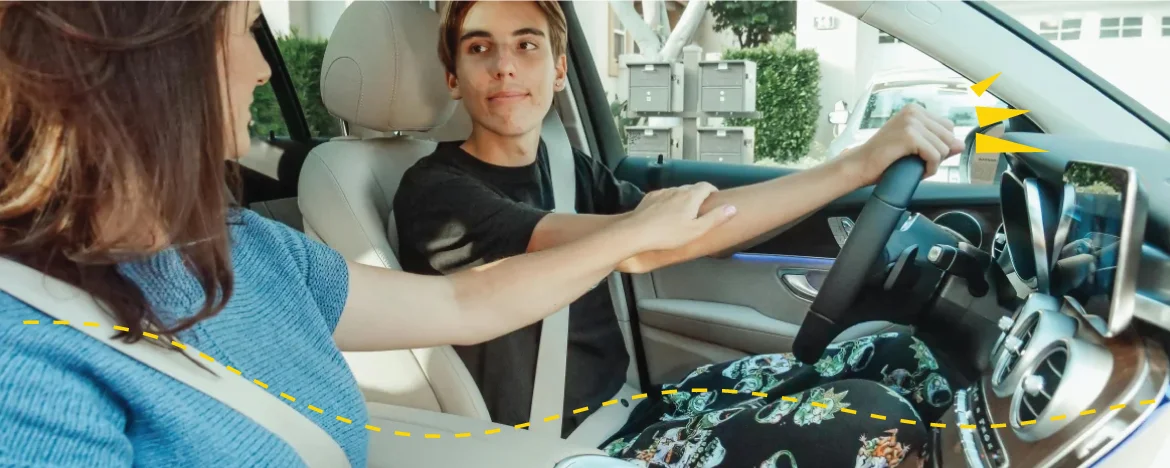
A mother and son in car

Have you helped your child pass their test?

Can new drivers lease a car?

Yes, but there are a couple of eligibility requirements to be aware of before you start browsing deals.

Most finance providers set a minimum age of 18 for car leasing, though some put this at 21. So, if you’ve just passed your test at 17, you might need to wait a little before you can apply.

You’ll also need a credit score that meets the finance provider’s criteria, along with a traceable credit history – evidence that you’ve borrowed and repaid credit before. This can catch some younger drivers off guard.

If you’re 18 or 19 and haven’t yet taken out any form of credit, like a credit card or phone contract, your credit history might not be substantial enough to satisfy some lenders.

That said, being young isn’t an automatic barrier.

There are steps you can take to build your credit profile ahead of an application. And if leasing isn’t the right fit right now, it’s worth knowing what to work towards.

If you’re unsure where you stand with your credit history, our guide to how to check and improve credit score is a good place to start.

The pros of leasing as a new driver

A smoother adjustment from lessons to the road

If you learned to drive with a professional instructor, you’ll likely have spent your lessons in a relatively new car – one with working sensors, responsive brakes, and modern safety assists.

Making the jump to a 15-year-old used car can feel like a step backwards, and not just in terms of comfort.

Leasing means your first car can feel like a natural continuation of what you learned in. Features like parking sensors, hill start assist, lane-keeping support, and automatic emergency braking tend to come as standard on newer models.

And for a driver still building confidence on the road, that’s no small thing.

Reliability you can count on

There’s already plenty to get to grips with as a new driver.

The last thing you need is your car adding to the stress.

A brand-new lease car comes with no previous owners and no inherited mechanical issues. Manufacturer warranty is included as standard, so in the unlikely event something does go wrong, you’re covered.

And all without having to dip into your own pocket.

Easier budgeting

Unpredictable running costs are one of the biggest financial headaches of car ownership. An unexpected MOT failure, a warning light, a set of new tyres…

These can arrive without warning and cost significantly more than anticipated.

Leasing simplifies this. You pay one fixed monthly payment, and your car payment, road tax and manufacturer warranty are all included. Add a maintenance package, and you can bolt on servicing and tyres into a second monthly payment.

It makes your motoring costs as predictable as your phone bill.

For a new driver managing finances independently, often for the first time, that kind of certainty has real value.

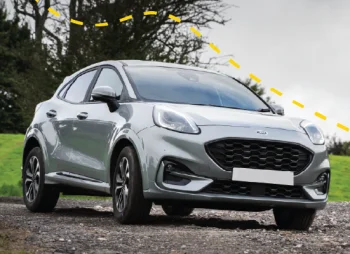
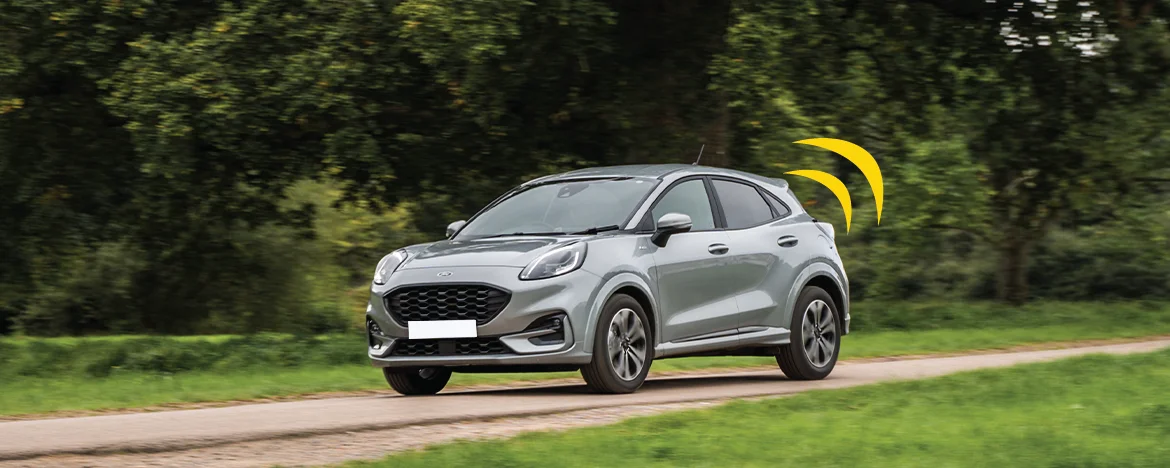
Ford Puma

Ford Puma - a good choice for a new driver

Greener driving from day one

Newer cars are held to stricter emissions standards than older ones, which means a lease car will typically have a smaller environmental footprint than a comparable used vehicle.

If you’re driving through a clean air zone – such as those in Bristol or Birmingham – a newer car is also less likely to incur a charge.

And if you’re open to going fully electric, leasing is one of the most accessible ways to get behind the wheel of an electric vehicle (EV) without the upfront cost of buying one.

Up-to-date safety technology

Safety technology moves quickly, and newer cars benefit from it most.

From autonomous emergency braking to blind spot monitoring, the features that come as standard on a new lease car can make a meaningful difference – particularly for drivers who are still developing their road awareness.

If you’d like to check the safety rating of a specific model before you commit, the independent assessments at Euro NCAP are a useful reference point.

Flexibility as your life changes

A lease typically runs for two to four years, after which you hand the car back and choose again.

For a new driver whose circumstances – commute, family situation, income – are likely to shift over the next few years, that flexibility is worth factoring in.

You’re not locked into a depreciating asset, and you’re not faced with the hassle of selling when the time comes to move on.

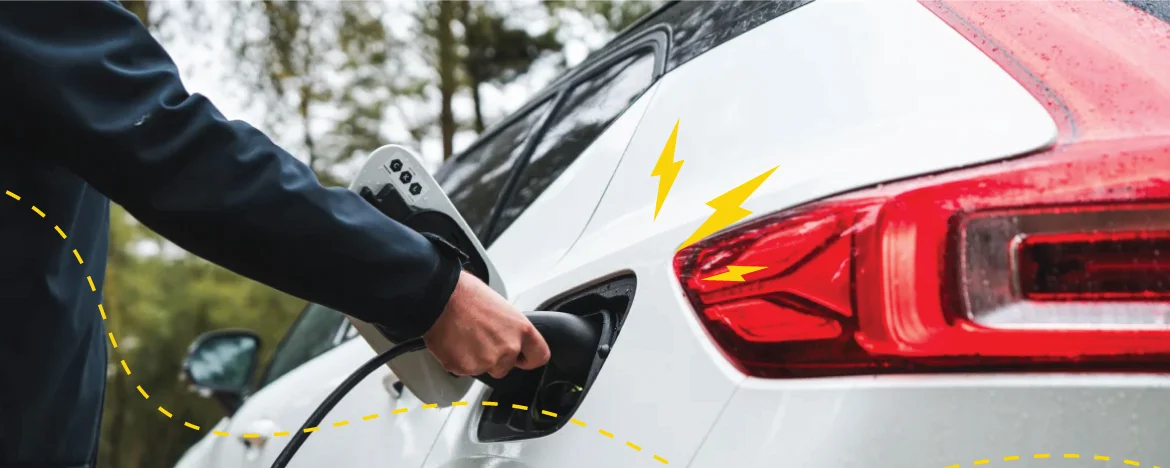
White Volvo XC40 charging

Is an EV right for your first car?

The cons of leasing as a new driver

Insurance costs

Car insurance for new drivers is expensive. That’s true regardless of whether you lease or buy.

But because insurance premiums are partly based on the value of the vehicle, a brand-new lease car will typically attract higher premiums than an older used car would.

It’s worth factoring this into your overall budget before you commit.

And getting comparison quotes for the specific model you’re considering, before you sign, is a sensible step.

You might also want to consider Guaranteed Asset Protection (GAP) insurance. This covers the difference between what your motor insurer pays out in the event of a total loss and the amount remaining on your lease agreement.

It’s not a requirement, but it’s worth understanding what it covers and whether it’s right for your situation.

Credit score and history

Leasing requires a good credit score and a traceable credit history.

For younger new drivers, this is often the most significant practical barrier – not because there’s anything wrong with their finances, but simply because they haven’t had enough time to build a credit profile.

If your application isn’t accepted, it’s not necessarily the end of the road.

Taking steps to build your credit can put you in a much stronger position when you apply again.

Car keys, toy cars, and calendar

Upgrade from toy cars to the real thing

Vehicle condition and fair wear and tear

This is the one that gives new drivers most pause, and it’s worth addressing honestly.

When you lease, the car isn’t yours. You’re responsible for returning it in a condition consistent with its age and mileage. Significant damage beyond what’s considered reasonable is chargeable at the end of your agreement.

The industry standard is the BVRLA’s Fair Wear and Tear guidelines, which clearly set out what is and isn’t acceptable. Minor scuffs, small stone chips, and light interior wear are generally expected over a two- to four-year term.

It’s the larger dents, deep scratches, and structural damage that fall outside those guidelines.

Newer cars do come with more collision-prevention technology than older ones, which can help reduce the risk of the kind of low-speed bumps that cause the most concern.

But familiarity with the guidelines from the start of your lease, rather than the end, is the most straightforward way to avoid any surprises.

Is leasing worth it for new drivers?

For the right person, yes.

If you want a reliable, brand-new car with predictable monthly costs and no hidden running expenses, leasing is one of the most accessible ways to get there.

The fixed payment structure takes a lot of the financial unpredictability out of early motoring, and driving a newer car means you’re better supported by the safety tech you’ll have got used to during lessons.

The limitations are real, but manageable.

Insurance will cost more than an older car, so you’ll want to budget for it. And if your credit history is limited, it’s worth taking steps to build it before you apply, rather than risk a declined application affecting your score further.

Leasing isn’t right for every new driver.

But for those who meet the eligibility criteria and want the reassurance of a new car without the commitment of buying, it’s an option that’s well worth considering.

Looking for some guidance on your first lease

Sarah Hunt

Sarah Hunt

Sarah is the Head of Marketing and she's tasked with keeping the fantastic marketing team in line. She's probably the reason you've heard of us, and her wealth of marketing experience means that no challenge is too big.