Join us as we take a closer look at the 2020 BMW X1, the small premium SUV that took on the might of Audi and Mercedes-Benz

Back in 2020, we got our hands on the BMW X1. A lot has changed since then.

Positioned against the likes of the Audi Q3 and Mercedes-Benz GLA, the X1 is a small premium SUV which holds up well.

Now in its third generation, the X1 has moved on significantly and is a genuine contender.

But is it enough to keep up in this new world, where budget Chinese EVs are flooding the market?

Let’s find out.
What we drove

Model: BMW X1 sDrive18i M Sport

Body style: SUV

Power: Petrol, 1.5-litre, 140hp

Acceleration: 0-62mph in 9.7 seconds

Colour: Misano Blue Metallic

Specifications correct at the time of publication

BMX X1 parked up

Turning heads everywhere

Bold, blue, and built to turn heads

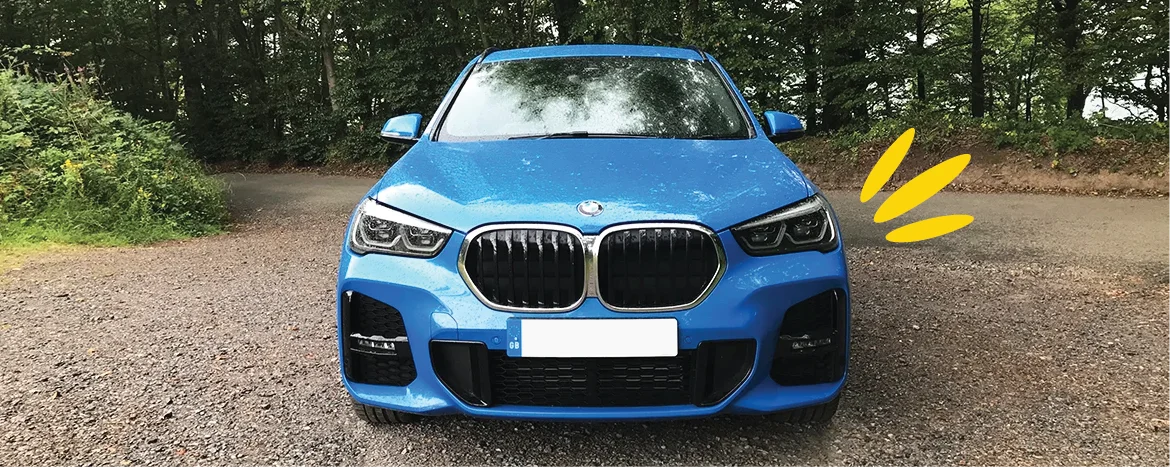
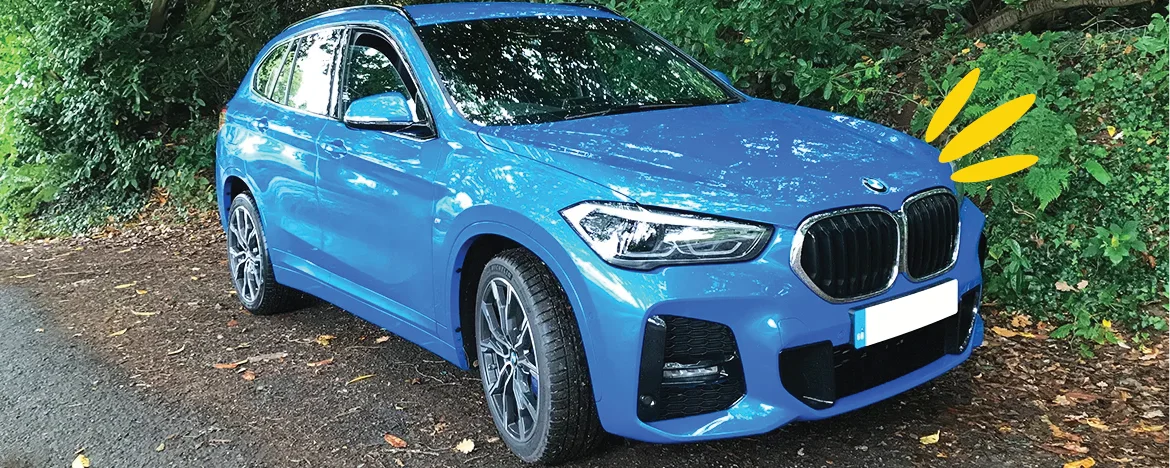
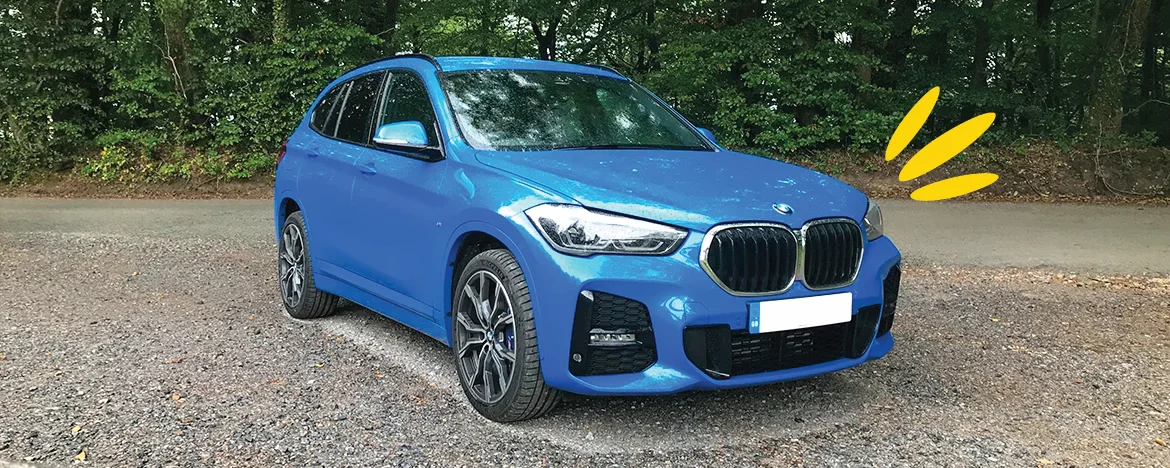
There's no mistaking the BMW X1 for anything else on the road, and in Misano Blue Metallic with the M Sport pack, it’s ready to turn heads.

Plus, the blue brake callipers and bicolour alloys give it a sporty edge.

The current generation goes further: Bigger in every dimension, with squared-off grilles and a bluff, more aggressive front end

And these new looks aren’t just for show. It gives you a 0.27 drag coefficient, improving from previous generations.

xLine trim on the new model swaps aggressive styling for tough black cladding — a genuine alternative look, not just a spec tier.

BMX X1 front seats

Sporty touches

Premium materials, sporty touches

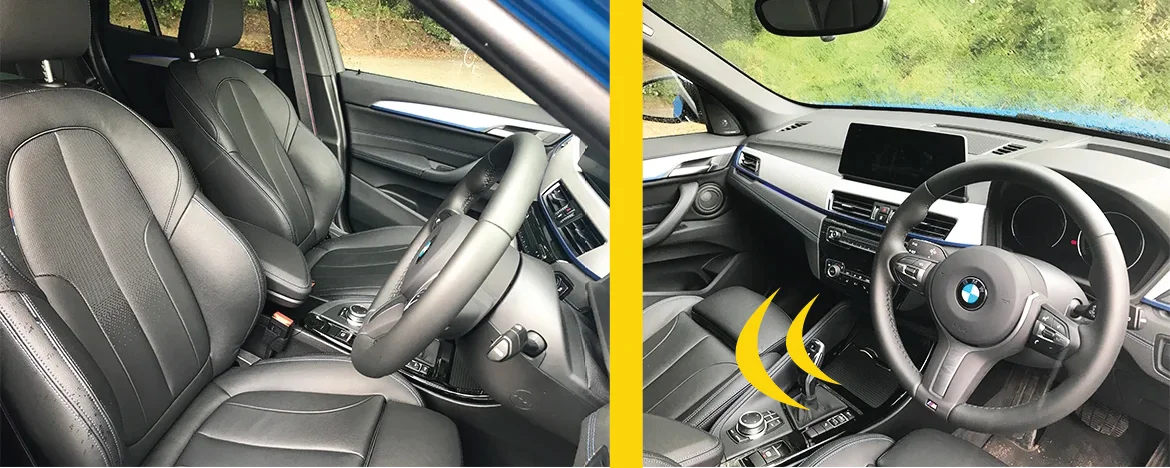
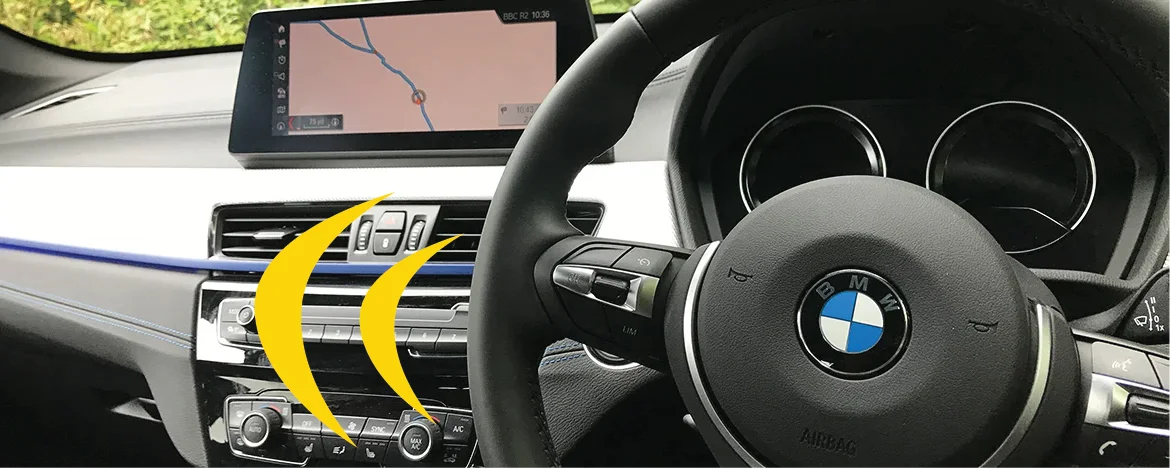
Step inside and the X1 interior impresses straight away.

Soft-touch leather, aluminium and chrome finishes, and blue contrast stitching all come together to create a genuinely premium-feeling cabin.

Heated front seats, M seatbelts and an M Sport steering wheel add to that sense of quality throughout.

The current generation has moved things on though, and not every change is for the better.

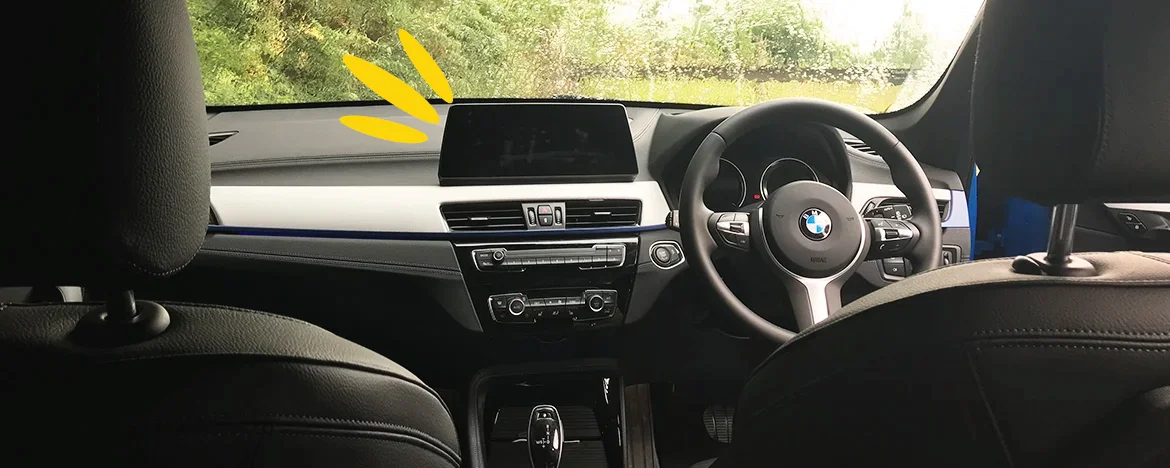
Physical climate controls have made way for a touchscreen-only operation, and it's a change that proves fiddly to use on the move.

The traditional gear lever has gone too, replaced by a small selector switch.

BMX X1 boot

Plenty of space

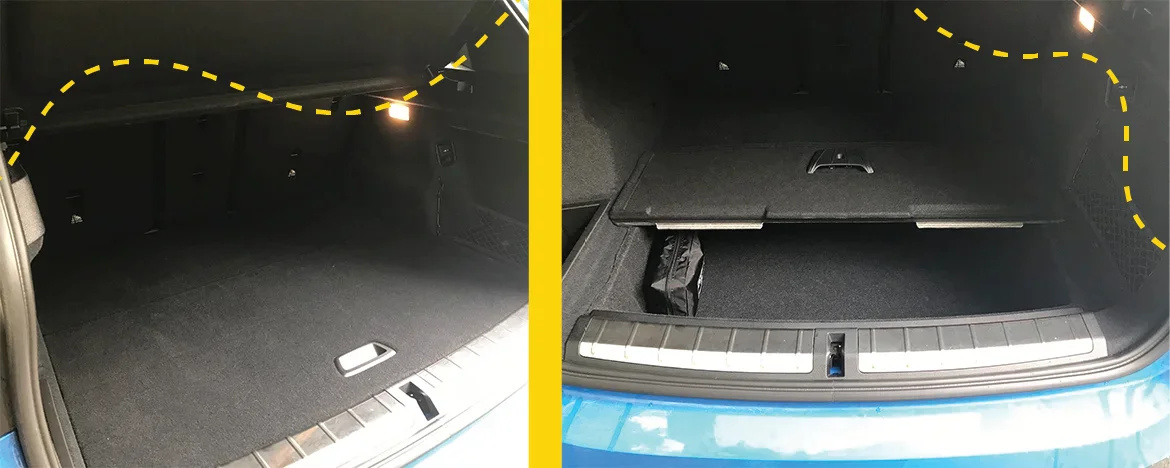
On the practicality side, boot space has grown to 476–540 litres depending on powertrain, beating both the Audi Q3 and Mercedes GLA.

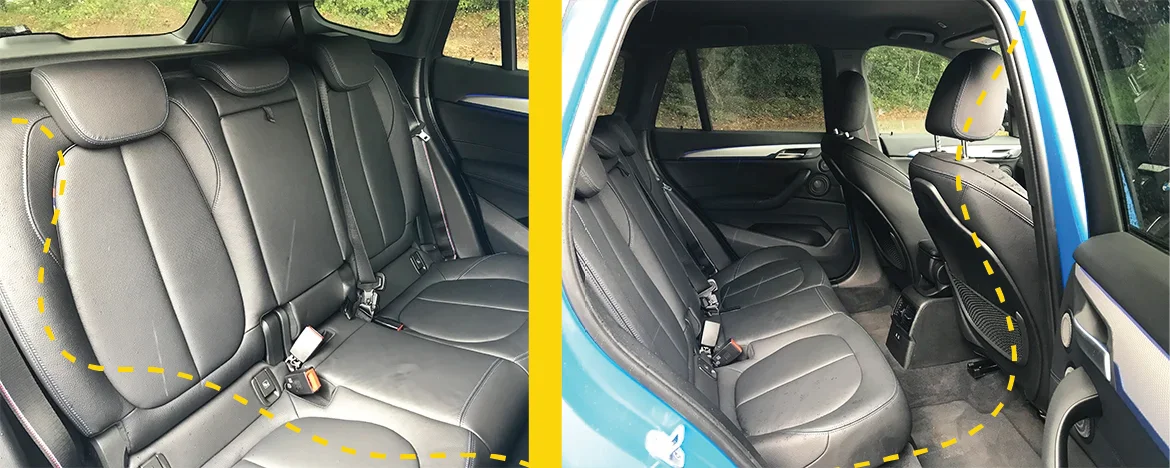
A sliding rear bench is a new addition as well, letting drivers prioritise legroom or boot space depending on what the day calls for.

BMX X1 interior

Confident drive

Steering that inspires confidence

The sDrive18i lacks outright oomph in Sport mode, though there's still enough go for daily driving.

The tilted design of the centre console also makes it easy to mistakenly hit traction control rather than the drive mode selector, which catches us out more than once.

Where it does deliver is in the steering, striking a good balance of weight and agility that inspires confidence through corners.

The latest generation builds on this further, with reviewers now praising it as one of the most engaging small SUVs on sale, offering good grip and controlled body roll.

The automatic gearbox is now standard across the board, and it's smooth on the move, though still reportedly laggy pulling away in town.

The engine range has expanded considerably too, now including plug-in hybrid (PHEV) variants and the punchy M35i for those after more outright pace.

BMX X1 back seats

Is it efficient?

How efficient is it?

No mpg or fuel efficiency figures were captured in our original drive notes for the sDrive18i M Sport, with only power and 0-62mph on record.

The current generation offers a much clearer picture. Diesel remains the most efficient option, with the sDrive18d returning around 54–56mpg combined.

Petrol models range from around 41–44mpg combined in the xDrive23i up to 44–49mpg combined in the sDrive20i, while the M35i is the least efficient in the range at 26–31mpg combined.

PHEV variants (xDrive25e, xDrive30e) claim an official combined WLTP figure of over 300mpg with regular charging, though real-world figures with a depleted battery sit closer to 30–35mpg.

BMX X1 interior

How safe is it?

Safety and warranties

When we first drove the X1, it had already been awarded a five-star Euro NCAP rating, with strong scores of 90% for adult occupant protection and 87% for child occupant protection. It performed particularly well in side-impact and whiplash protection.

The current generation carries a five-star rating of its own, tested in 2022:

  • Adult occupant protection: 86%
  • Child occupant protection: 89%
  • Vulnerable road user protection: 75-76%
  • Safety assist: 92%

Euro NCAP's testing criteria has become significantly stricter since 2015, so these scores aren't directly comparable — the current car isn't any less safe, it's simply being held to a tougher standard.

On warranty, BMW covers the X1 for three years with unlimited mileage as standard. PHEV variants also benefit from an additional battery warranty, covering up to eight years or 74,500 miles.

Onboard safety tech includes:

  • Reversing camera and parking sensors as standard
  • Attentiveness assist and BMW's active guard emergency braking system
  • Adaptive cruise control, lane control assist and lane departure warning, available via the optional Driver Assistance Plus pack
  • ISOFIX points on the front passenger seat and both rear outer seats
BMX X1 front

Pros and cons

What’s good and what’s not

What's good

  • Genuinely improved cabin space and boot capacity
  • Wider, more flexible engine range including PHEV and M35i
  • Sliding rear bench adds practicality the original didn't have
  • Boot space now beats key rivals like Audi Q3 and Mercedes GLA

What's not

  • Touchscreen-only climate controls are a step back for usability
  • Automatic gearbox still laggy pulling away, a longstanding niggle
  • Wind and road noise still noticeable on bigger wheels
  • Original centre console design caused control mix-ups
BMX X1 parked up

What’s the verdict on the BMW X1?

What’s the verdict?

The original X1 we drove was a solid, if unremarkable, small premium SUV. It did the job well enough, but never quite gave us a reason to shout about it.

The current generation has addressed several of those shortcomings head-on.

There's more space, sharper looks, and a genuinely wider engine range to choose from.

Some new compromises have crept in too, most notably the reliance on touchscreen controls where physical buttons used to do the job.

Even so, this is a meaningful step forward. Anyone who dismissed the earlier X1 owes it a fresh look.

Five reasons to lease a BMW X1

  1. Significantly more practical than the version we first drove, with a bigger boot and more interior space
  2. Wide engine choice, from efficient diesel to punchy PHEV and M35i
  3. Five-star Euro NCAP safety rating for extra peace of mind
  4. Composed, confident handling that's only improved with each generation
  5. PHEV variants bring useful electric-only range and company car tax savings

Should you lease the BMW X1?

Yes — this is an SUV that's genuinely come a long way, and it shows.

With more interior space, a five-star safety rating, and an engine range wide enough to suit efficient commuters and keen drivers alike, the current X1 makes a stronger case for itself than ever.

Add in the practicality gains and improved handling, and it's an easy one to recommend.

Does the BMW X1 sound like your cup of tea?

Alice Poole

Alice Poole

Alice applies her extensive test drive experience and her passion for motors to bring you informed and characterful articles and vehicle reviews.