Should you lease an electric vehicle for your business?

TL;DR: What is EV business leasing, and why does it work for UK businesses?

Electric vehicle (EV) business leasing is a long-term rental agreement, otherwise known as Business Contract Hire (BCH). You can drive a brand-new EV for two-to-four years in exchange for fixed monthly payments, but the finance provider retains ownership.

It works for businesses because of the tax advantages layered on top.

EV business leasing benefits from a Benefit in Kind rate of just 3% (compared to up to 37% for petrol and diesel), full Corporation Tax relief on lease payments, and VAT recovery.

Electric vehicles have stopped being the alternative choice for businesses and started being the obvious one

Fleet registrations are up 7.5% year-to-date, business registrations up 19.1%, and the tax incentives for making the switch have never been stronger.

But some businesses are still holding back.

It often comes down to the same three worries: Cost, charging, and range.

Thankfully, the old arguments are null and void these days, with the advancements in EV technology in recent years, the investment into the sector, and the influx of new electric cars onto our roads. Government incentives, lower Benefit in Kind (BiK) rates, and increasingly competitive lease deals have made EV business leasing more accessible than ever.

This guide walks you through what you need to know, whether you’re leasing a single car for yourself or building out a fleet.
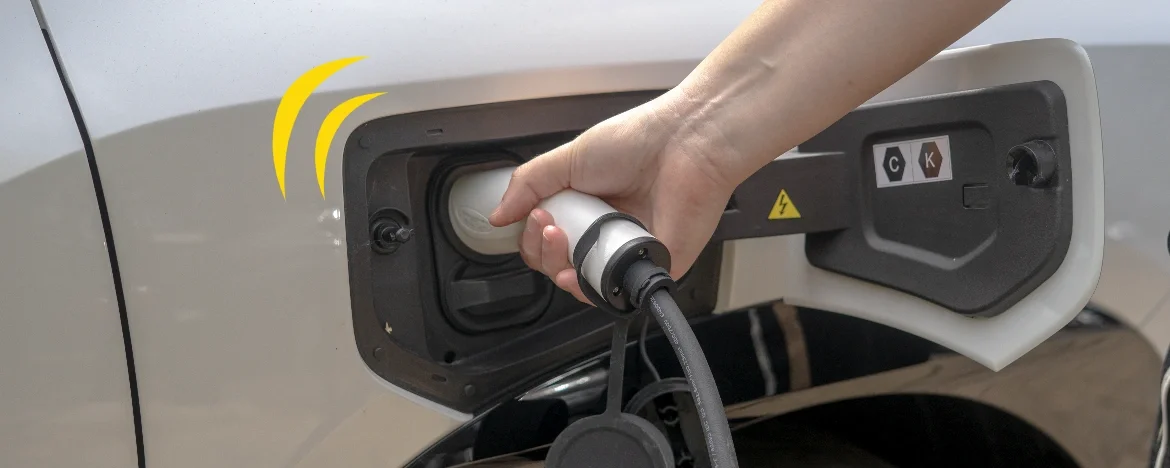

Person holding an Aion V charger

Everything you need to know about electric business leasing

How EV business leasing works

Electric vehicle business leasing works in much the same way as any other business lease.

You enter an agreement with a finance provider, pay an initial payment (typically the equivalent of three to nine months’ payments) followed by fixed monthly payments over the term, and hand back the car at the end.

No resale hassle, no depreciation risk, no surprise costs eating into your cash flow.

When people talk about business leasing, they’re usually talking about Business Contract Hire (BCH), and EVs are no exception. We’ve covered the full comparison against finance lease, contract purchase, and Hire Purchase, plus eligibility and the application process, in our complete guide to business leasing.

This guide skips that bit and gets straight to what changes when you choose an electric lease.

Tax benefits and financial advantages

This is where EV business leasing earns its reputation.

Between BiK, VAT, Corporation Tax, and the various government schemes still in place, the financial case is hard to ignore.

Benefit in Kind rates for EVs

Benefit in Kind tax is what an employee pays for the privilege of having a company car available for personal use.  

It’s calculated using the car’s P11D value, its emissions, and the driver’s income tax band, and EVs benefit from the lowest rates on the table.

For the 2026/27 tax year, EVs sit at 4%.

That rises to 5% from April 2027, then climbs to 9% by 2029/30. Compare that to a petrol equivalent, which can attract a BiK rate of up to 37%, and the gap is stark.

What does that look like in practice?

Say you’re providing a £40,000 EV to an employee. At the 2026/27 rate of 4%, they’d pay tax on £1,600 of the car’s value. A petrol car at the same price, emitting a typical 120g/km, would put them on the hook for tax on £12,000 of the value.

Even when the EV rate reaches 9% in 2029/30, meaning they’d be taxed on £3,600, it remains the cheaper option for both the employer and employee.

Corporation Tax deductions and capital allowances

100% of monthly payments on an electric business lease can be offset against Corporation Tax as a business expense.

That differs to buying outright, where tax relief is more restricted.

Every part of your monthly lease payment, plus any maintenance package covering servicing, repairs, and breakdown cover, is deductible from your taxable profit.

Woman walking past a CUPRA Born

There's a multitude of benefits when switching to electric cars

VAT benefits

Businesses can reclaim 100% of the VAT on lease payments where the vehicle is used solely for work. It drops to 50% if there’s any private use mixed in.

Either way, it’s a saving that a straight purchase doesn’t offer in the same way.

Government grants and incentives

The Electric Car Grant (ECG) offers a discount of up to £3,750 on new zero-emission cars priced at £37,000 or less, and it’s applied automatically. It’s not something you need to apply for.

Eligibility runs across two bands based on emissions and manufacturing criteria: Band 1 vehicles qualify for the full £3,750, while Band 2 vehicles qualify for up to £1,500.

For charging infrastructure, the Workplace Charging Scheme now covers up to £500 per socket (increased from £350 as of 1 April 2026), for a maximum of 40 sockets across your sites.

The scheme has been extended through to 31 March 2027, so there’s time to take advantage before it winds down.

On top of that, the government has committed £1 billion to fleet electrification through the Zero Emissions Truck and Van grants and the Depot Charging Scheme, covering up to 40% of the cost of a new electric van or truck, and up to 70% of depot charging infrastructure costs.

Vehicle Excise Duty and the Expensive Car Supplement

From April 2026, the threshold for the Expensive Car Supplement on zero-emission vehicles rose from £40,000 to £50,000.

That means many EVs now avoid the additional £425 a year charge that would otherwise apply for five years, based on the vehicle’s official list price rather than any negotiated discount.

It’s also worth keeping an eye on the government’s ongoing consultation into electric Vehicle Excise Duty (eVED), a proposed mileage-based road tax for electric and hybrid cars pencilled in for April 2028, which would charge roughly three pence per mile for EVs rather than a flat annual rate.

Salary sacrifice schemes

Salary sacrifice remains one of the more underrated perks a business can offer.

Employees exchange part of their gross salary for the car lease, reducing their income tax and National Insurance Contributions (NIC), while the business saves on Class 1 NIC.

It costs you nothing extra to run, and it tends to be pretty popular, especially when paired with workplace charging.

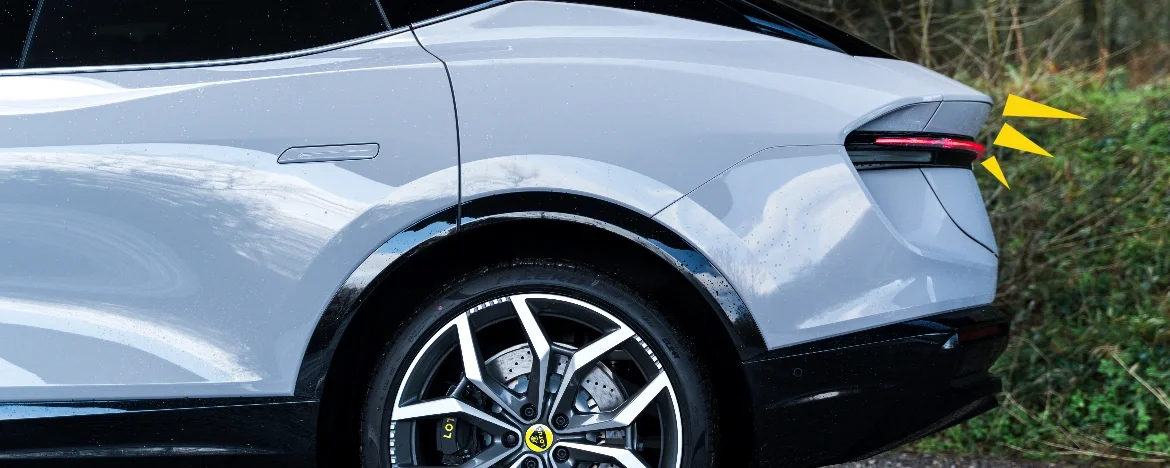
Lotus Eletre rear end

Electric car leasing isn't just worth it for the cool cars - but the cars are excellent

How to choose the right electric car for your business

Once you’ve decided to make the switch, the next question is which EV, or EVs, actually suit your business.

With so much choice on the market, it’s worth figuring a few things out before browsing.

Assessing your business needs

Think about mileage patterns, where vehicles are based overnight, how often long journeys happen, who’s driving them, and what image you want your fleet to project.

A sales team covering the motorway network has very different requirements to someone commuting to work and back.

Range requirements

Range anxiety is largely a hangover from older EVs.

The WLTP Comb figure quoted for any electric vehicle represents range under ideal conditions, and real-world range typically comes in 10% to 20% lower, with cold weather knocking off a further 15% to 30%.

To work out the range you actually need, take your average weekly mileage and add a 25% buffer. Say you cover 100 miles in a week, then ideally you’d want an EV that can travel 125 miles on a single charge.

With many EVs capable of covering twice that, most journeys should be a doddle.

Popular EV models for business leasing

Long-range options:  

Great value options (Electric Car Grant eligible):

CUPRA Born keys

Today, your old company car. Tomorrow, a brand-new EV

EV vs ICE: Business comparison

The decision between electric and petrol/diesel vehicles isn’t just about the environmental impact.

It’s also about operational efficiency, running costs, and staying ahead of regulations that are only moving in one direction – towards a brave new electric future.

Carbon footprint and emissions

Electric vehicles produce zero direct emissions, with the only indirect impact coming from their production and electricity generation.

And that impact keeps shrinking.

From June 2025 to June 2026, 47.1% of the UK’s electricity came from renewable sources, up from just 15% a decade ago. The grid is decarbonising fast, and every EV on the road benefits from that shift automatically, with no action required from the driver.

Maintenance cost comparisons

Fewer moving parts under the bonnet means fewer things to go wrong.

MOT costs are the same across the fuel types, but electric cars typically come out ahead on servicing and breakdown costs, and a maintenance package removes most of the uncertainty either way.

Performance and reliability

Electric vehicles offer instant torque and smooth acceleration that most combustion engines can’t match, which makes merging into traffic a rather more satisfying experience.

With EV range increasing and most business journeys remaining under the 100-mile mark, range anxiety has become less relevant.

Cold weather can still reduce range by up to 30%, but modern heat pumps and pre-conditioning features go a long way towards softening the impact.

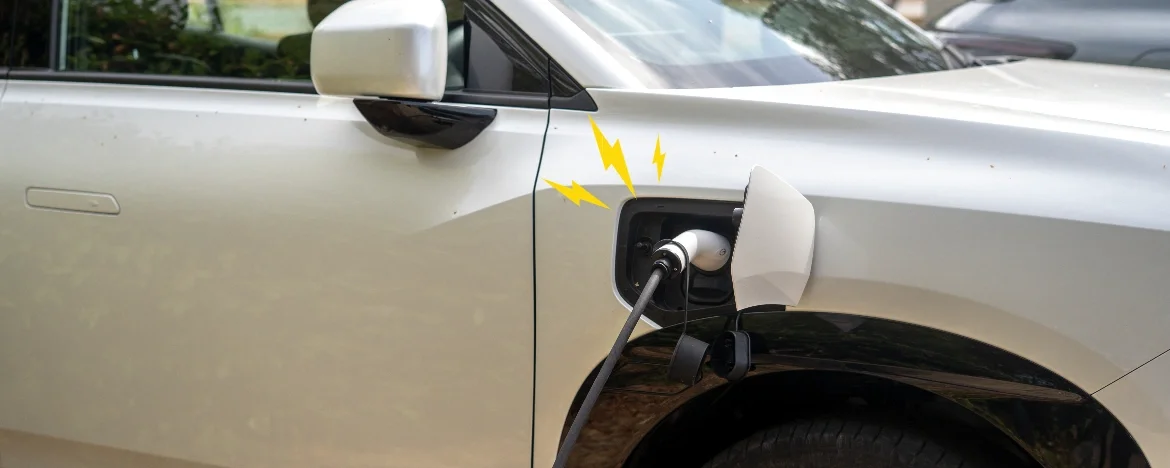
AION V on charge

You don't even need an at-home charger to get started

Future-proofing your business with EVs

The direction of travel is electric, even if the exact timeline has shifted around a little over the years.

The 2030 petrol and diesel ban

The government’s current position remains a ban on new petrol and diesel car sales from 2030, with hybrids following in 2035. This date has moved before, and there’s ongoing debate about whether it might be softened again to ease pressure on the automotive industry.

For now, though, it’s the confirmed policy, and any lease renewal that runs past 2030 will need to be electric.

Charging infrastructure and investment

Government backing for charging infrastructure continues to grow, most recently with a £1 billion commitment to fleet electrification aimed squarely at businesses making the switch.

Combined with private investment from operators expanding their networks, the charging landscape is only getting stronger from here.

Reputational benefits

Zero emissions driving isn’t just good for the planet, it’s good for how your business is perceived.

Environmental responsibility increasingly factors into who customers choose to work with and who employees choose to work for. An electric fleet is a visible, tangible signal that your business is keeping pace with where things are heading.

Why choose EV leasing for your business

By now, the case for EV business leasing should be clear.  

Low BiK rates, VAT recovery, Corporation Tax deductions, and predictable monthly payments all add up to a strong financial proposition, before you factor in government grants and the joy of driving a brand-new car.

Operationally, you get a reliable vehicle with lower maintenance demands, Clean Air Zone and ULEZ exemption, and performance that holds its own against anything combustion can offer. Whatever is holding you back, there’s a straightforward answer our team can help with.

The question isn’t really whether you should make the switch.

It’s when.

Ready to make the switch to electric for your business?

EV business leasing: Your questions answered

Is my business eligible for an EV lease?

Most businesses can apply, including sole traders, limited companies, partnerships, and Limited Liability Partnerships (LLPs).

Finance providers generally prefer businesses who’ve been trading for two years or more, though newer businesses can still apply with additional documentation.

What documents will I need?

Typically your company registration number, years of trading, VAT number, trading address, directors’ details, and company bank details. Businesses trading for under two years might also need to provide their latest accounts.

How long does approval take?

Most applications are approved within 24 to 48 hours, though this can take longer if a finance provider needs additional information.

Can I negotiate my lease terms?

Yes. Annual mileage, initial payment, lease length, and vehicle specification can usually all be adjusted to suit you and your business, also with optional extras like maintenance packages.

Tori Edmonds

Tori Edmonds

Tori is one of our Digital Marketing Executives, tasked with keeping you entertained across our blog and socials. With her sparkling wit and eye for a pun, she's the girl for the task.