
Author: Beth Twigg | Reading Time: 6 minutes | Published 22/07/2025 | Edited: Finley Vile 31/03/2026
Author: Beth Twigg
Reading Time: 6 minutes
Published 22/07/2025
Edited: Finley Vile 31/03/2026
TL;DR: How do you get the best value lease car?
The best value lease car balances a low monthly payment with a realistic mileage allowance, included road tax and delivery, and running costs that suit your situation.
Rather than chasing the cheapest deal, it's about getting the most car for your money — and knowing when and where to look, whether that's an in-stock vehicle, an end-of-quarter deal, or a model on the cusp of a facelift.
Want to drive a car that’s normally out of your price range? Great value car lease deals make that possible
New car, lower monthly payment than you'd expect. That's the leasing advantage.
With leasing, you only pay for the depreciation of the vehicle, not the actual cost. A £30,000 car that's worth £18,000 after three years has depreciated by £12,000. And that's what your monthly payments are based on, not the sticker price.
Get the right deal, and you could be driving significantly more car than your budget would normally allow.
This guide walks you through how to find the best value lease car for your money – from understanding what makes a deal genuinely good value, to the common mistakes that quietly cost people more than they realise.
*Prices correct at time of publishing.
The complete guide to getting the best value lease car
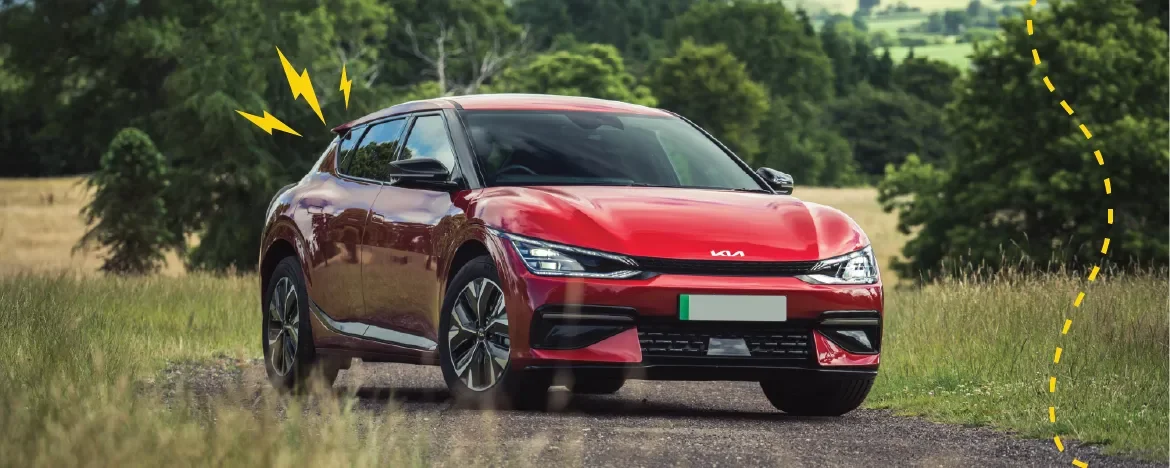
Kia EV6
The best value lease cars balance affordable monthly payments with low initial costs, generous mileage allowances, and include extras like road tax and delivery.
It’s not just about the cheapest monthly payment – it’s about getting the most car for your money.
The economics of leasing vs buying
Think of leasing versus buying like this: when you buy a car, you’re paying for the whole vehicle, even though you’ll likely only use a portion of its value before you sell it on or trade it in.
With leasing, you’re only paying for the bit you use.
| Factor | Buying | Leasing |
| Monthly cost | Higher (loan repayments) | Lower (depreciation only) |
| Upfront cost | Larger deposit or full amount | Smaller (or no) initial rental |
| Depreciation risk | You bear all the risk | Not your problem |
| Maintenance | Your responsibility | Optional maintenance packages available |
| Flexibility | You choose when to sell | Upgrade every two to four years |
And the benefits go beyond the monthly payment.
You'll have warranty coverage for the majority of your lease, your costs are predictable month to month, and on a new car you won't need to think about MOTs for the first three years.
All the fun of driving a new car, none of the admin headaches.

The happy face of someone who has found a great value lease deal
The downsides of leasing
No finance product is perfect, and leasing is no different. Here's what it can't do for you:
- No ownership — you won't have an asset to sell or trade in at the end of your contract
- Mileage limits — you'll need to keep an eye on how far you're driving to avoid excess mileage charges at the end
- Modification restrictions — the car goes back in the same condition it arrived, so any personalisation needs to be cosmetic and removable
- Spec flexibility — the best value deals tend to be on specific models and configurations, so you may need to compromise on colour or trim
For most drivers though, none of this outweighs the monthly saving, or the fact that you're driving a brand-new car every few years.
How to find the best value car lease deals
Knowing what makes a lease good value is one thing.
Knowing where to find those deals is another. Here's where to start.
Leasing brokers vs dealerships
Leasing brokers have access to deals you won't find by walking into a dealership.
Because we work with multiple funders and dealers, we can shop around across all major makes and models to find the best rate for you and your situation — rather than being limited to one manufacturer's offer.
In stock vs factory orders
For the best value, look at in-stock and pre-registered vehicles.
These are cars that dealers want to shift quickly, which typically means a sharper price.
You might not get your exact preferred spec, but you could save hundreds of pounds and get the car within weeks rather than months.
Timing your search
- September and March: New number plate releases mean manufacturers push hard to register cars.
- End of financial quarters: Rates can rise at the start of a new quarter as manufacturers reset their pricing, so locking in before the quarter turns can secure a better deal.
- Model lifecycle: When a model receives a facelift, we can often secure stronger rates on the outgoing version — which is still a brand-new car.
Using the Carparison filter
If budget is your starting point, our search filter lets you sort by cheapest or best value, so you can find deals that fit your priorities straight away.
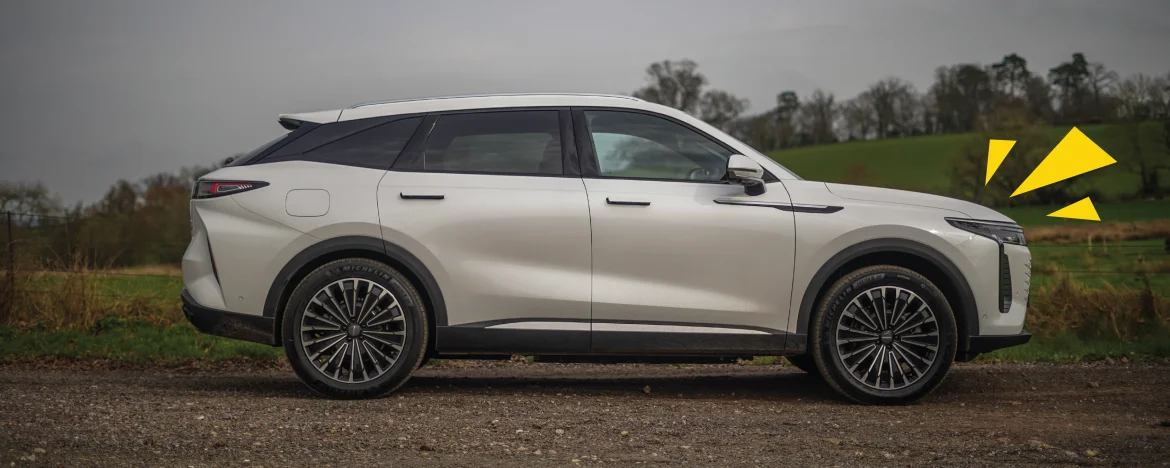
OMODA 9
First-time lease tips
New to leasing? Here's what you need to know:
- Look beyond the monthly payment: A lower monthly payment with a high initial rental isn't always the better deal. Work out the total contract cost, and factor in running costs like insurance and fuel too
- Be realistic about mileage: Calculate your annual mileage carefully and build in a small buffer. Excess mileage charges typically run from 5p to 25p per mile, and they add up quickly
- Get everything in writing: If you need time to decide, ask for a written quote with all costs included. Bear in mind quotes can expire, so don't sit on it too long
- Understand Fair Wear and Tear: At the end of your lease, the car will be inspected against the BVRLA Fair Wear and Tear guidelines. Minor scuffs and stone chips are expected, but curbed alloys and significant damage will cost you. It's worth knowing the difference before you hand the car back
- Read the fine print on what's included: Some deals include road tax and delivery as standard; others don't. Check what's in the package before comparing monthly payments across different deals
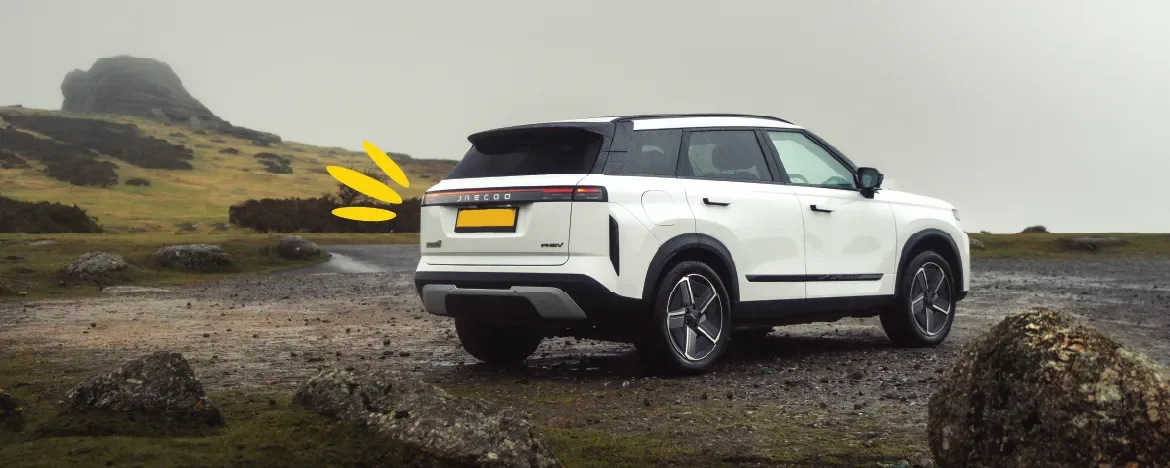
JAECOO 7
Under £250 per month
What are the cheapest cars to lease?
The sub-£250 market is where you’ll find the best value for money, especially if you’re mainly driving around town or don’t need masses of space.
Hyundai i10: It might be Hyundai’s smallest car, but the i10 feels sophisticated and grown-up. Perfect for city driving and surprisingly well-equipped.
Citroen C3: French flair without the premium price tag, the C3 has bags of character and is surprisingly spacious inside.
Dacia Spring: If you want to go electric without breaking the bank, the Spring is your answer. It’s basic, but it’s also incredibly cheap to run and perfect for urban commuting.
Peugeot 208: One of the most stylish cars in its class, the 208 punches well above its weight for interior quality and tech. Available in petrol and full electric versions.
BYD DOLPHIN: Chinese innovation at impressively low prices. The DOLPHIN offers impressive range and kit levels for the money.
What you get:
- Low running costs that won’t hit you hard in the pocket
- Easy parking in those city spaces everyone else struggles with
- Surprising amount of tech and safety features
- Perfect for urban driving and the occasional longer journey
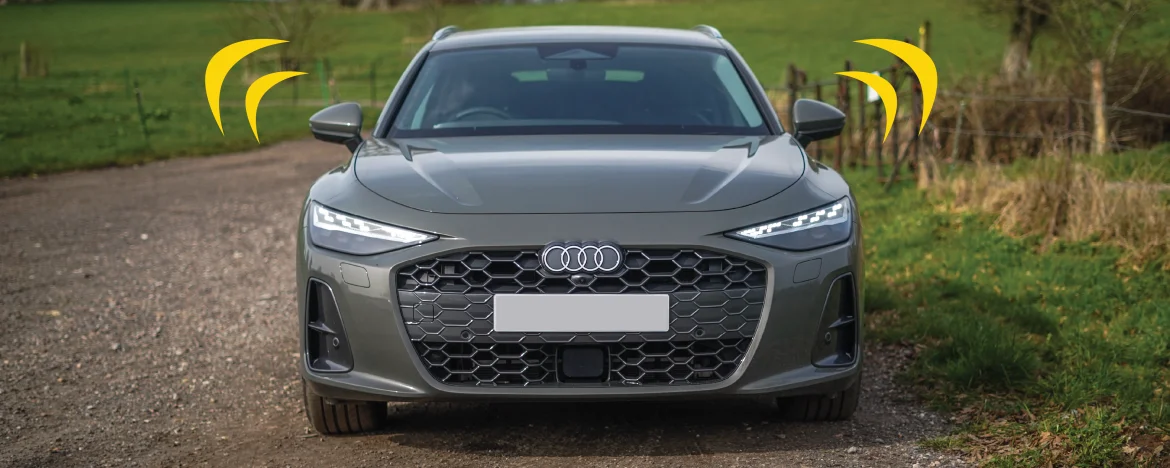
Audi A6
Best value lease cars by budget
We’ve done the hard work for you and pulled some of our current best value lease deals on offer and sorted them by budget.
Under £250 per month
- Leapmotor B10 Hatchback (EV): From £193.25 per month
- Renault 4 (EV): From £188.90 per month
- OMODA 5 (EV): From £225.26 per month
£250-£350 per month
- Kia Sportage (hybrid): From £256.80 per month
- Smart #1 Hatchback (EV): From £250.34 per month
- Volkswagen Passat Estate (hybrid): From £285.73 per month
£350-£450 per month
- BYD Sealion 7 (EV): From £353.18 per month
- Volkswagen Tayron (hybrid): From £367.05 per month
- Mazda CX-80 (hybrid): From £383.91 per month
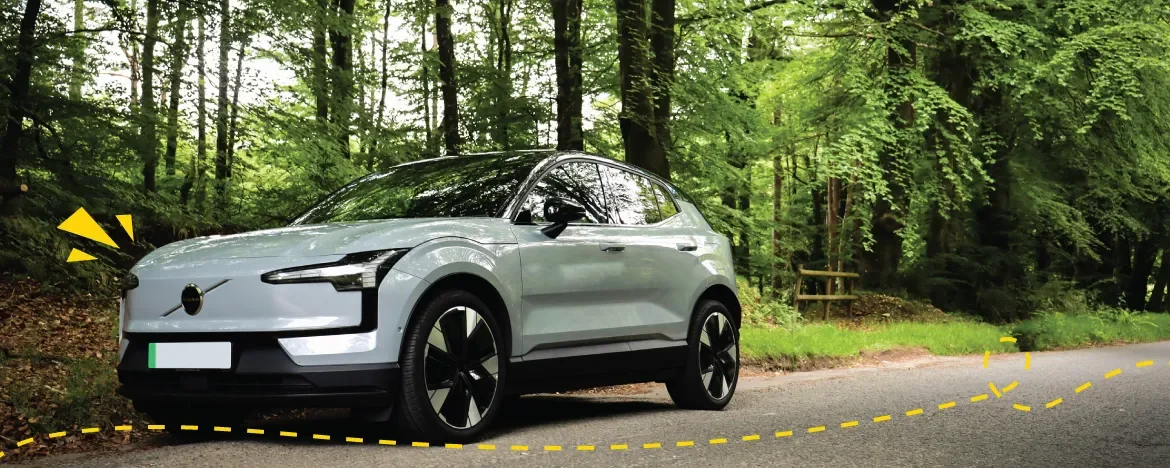
Volvo EX30
Why EVs often represent the best value lease
The monthly payment is only part of the picture with an electric car.
The running costs can make a significant difference to what you're actually spending over the course of your contract.
Charging costs
Charging at home is significantly cheaper than public charging — and cheaper than filling up with petrol or diesel.
If you can charge overnight on a cheaper tariff, the savings over a three-year lease add up considerably.
Company car tax
Electric cars attract ultra-low Benefit in Kind (BiK) rates, which can save you thousands if you're leasing through your employer on a salary sacrifice scheme, or taking a car as a company benefit.
You can also offset the cost of your lease against corporation tax, and claim back 100% of the VAT if the vehicle is used exclusively for business, or 50% if it doubles as a personal vehicle.
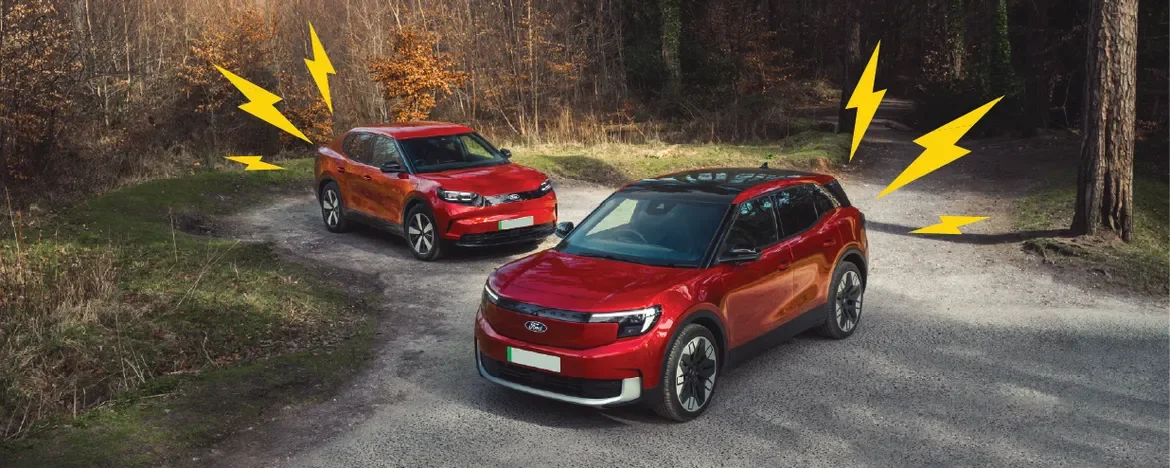
Ford Capri and Ford Explorer
Best value electric cars to lease
Under £250 per month
- Renault 4: From £188.90
- Leapmotor B10 Hatchback: From £193.25
- OMODA 5: From £225.26
£250-£350 per month
- Smart #1 Hatchback: From £250.34
- SKODA Enyaq Estate: From £264.29
- Hyundai IONIQ 6: From £311.58
£350-£450 per month
- XPENG G6 Estate: From £358.84
- Volkswagen ID.7 Tourer: From £376.99
- Polestar 4: From £380.56
Finding your best value lease deal
The best value lease car isn't necessarily the one with the cheapest monthly payment — it's the one that gets you the most car for your money over the entire contract period.
That's where we come in.
As a leasing broker, we work with multiple funders and manufacturers to find the strongest rates across all major makes and models.
We're transparent about what we earn on every deal, there are no hidden fees, and our team are here to help you make the right decision for you.
Not just process an order.
Ready to find your perfect lease deal?
Frequently asked questions
What makes a car lease good value?
A good value lease balances affordable monthly payments with reasonable initial costs, generous mileage allowances, and includes extras like road tax and delivery. The key is looking at total cost over the contract period, not just monthly payments.
Is leasing cheaper than buying?
For most people, yes. Leasing typically offers lower monthly payments and smaller upfront costs. You’re only paying for the depreciation you use, not the entire vehicle cost.
Should I lease or buy a car?
Leasing is typically better if you want lower monthly payments, prefer driving newer cars, and don’t mind not owning the car at the end. Buying makes more sense if you plan to keep the car for many years.