Are electric cars cheaper to run? What rising charging costs mean for you

TL;DR: Are electric cars still cheaper to run?

Yes, if you can charge at home.

With no VAT on home electricity until 30 June, 2027, an off-peak EV tariff works out at around 2p to 3p per mile, against roughly 19p for petrol. Public charging is a different story.

Prices have climbed sharply since 2021, and rapid chargers now cost more per mile than petrol. Electricity prices will rises in 2027 and a new 3p-a-mile tax from April 2028 will add to the bill, but home charging should stay far cheaper than filling up.

How electric car charging stacks up against fossil fuels

In September 2026, Carbon Brief worked out that driving an electric vehicle (EV) in the UK is up to nine times cheaper than driving a petrol or diesel one. Two months later, Auto Express told EV drivers to brace themselves for £1 per kilowatt hour (kWh) charging.

Both are right.

Which one applies to you comes down to where you plug in.

Charge an EV at home, and it’s still one of the cheapest ways to get about. Rely on public chargers, and the sums get tighter, with more price rises on the way.

This guide pulls together the latest prices for charging in the UK, explains why public charging keeps getting more expensive, and sets out what’s changing in 2027 and 2028.

Prices are correct as of November 2026, and we’ll keep them up to date as things change.
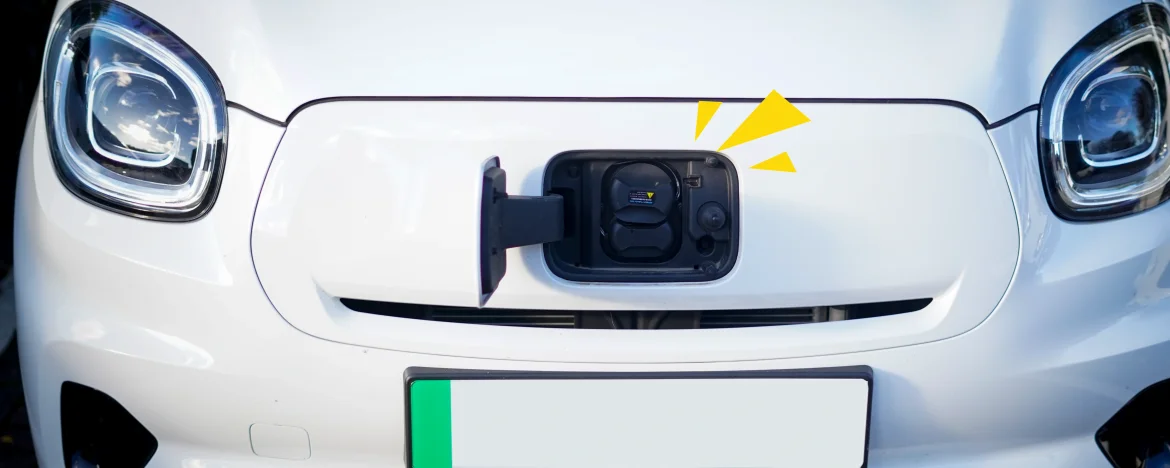
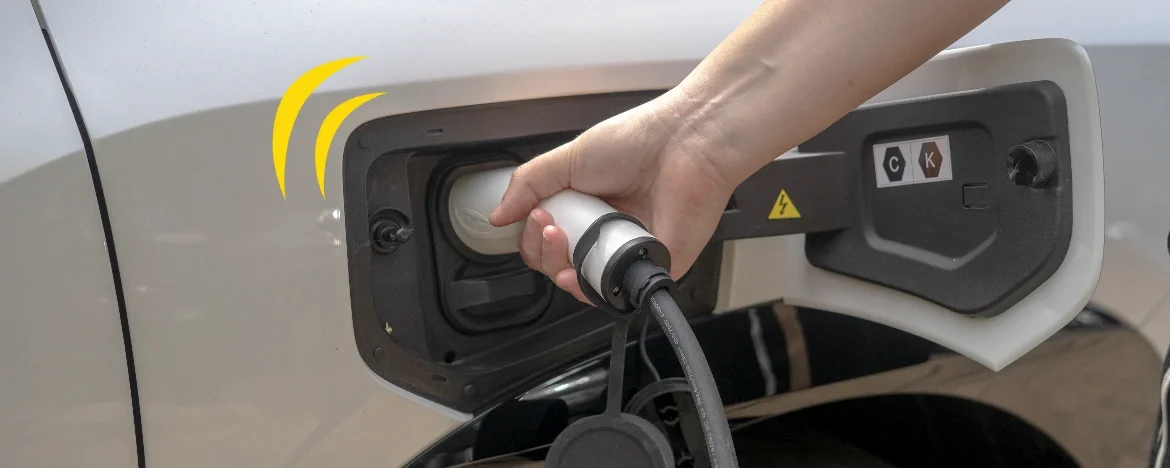
Leapmotor T03 charging port

Charging at home starts from 8p/kWh on a dedicated EV tariff

How much it costs to charge an electric car right now

Charging an EV costs anything from around 8p/kWh on an off-peak home tariff to 82p/kWh at a rapid public charger, according to Zapmap’s October 2026 figures.

For the same 10-80% charge, that’s the difference between about £3.40 and £34.44.

Public charging prices in the UK depend heavily on the type and speed of the charger. Standard chargers, which run from 3kW up to 49kW, are the ones you’ll find on residential streets, in supermarket car parks and at destinations like hotels.

They’re slower, but they cost a lot less than rapid chargers.

Where you chargePrice per kWhCost per mile10-80% charge on a 60kWh battery
Home, off-peak EV tariff8.1p2.4p£3.40
Home, energy price cap26.3p7.7p£11.05
Public, standard (3kW to 49kW)54p15.9p£22.68
Tesla Supercharger (non-Tesla drivers)69p20.3p£28.98
Public, rapid and ultra-rapid (50kW and above)82p24.1p£34.44

Prices sourced from Zapmap. Cost per mile assumes 3.4 miles per kWh, which is typical for an average EV. A 10-80% charge on a 60kWh battery adds 42kWh.

Rapid charging cost per kWh

Rapid and ultra-rapid chargers averaged 82p per kWh on pay-as-you-go in October 2026, which works out at around 24p a mile. Prices vary by network, though.

Tesla’s Superchargers averaged 69p for drivers of non-Teslas, while Sainsbury’s Smart Charge and Believ both averaged 79p.

These are pay-as-you-go prices, so memberships and subscriptions can bring them down if you use the same network regularly.

EV being charged

If you can charge at home, an EV is still cheaper to run

EVs vs petrol and diesel

From home, an EV remains cheaper to run than a petrol or diesel car.

On a mix of mostly public charging, the gap closes to be roughly level. And if you only ever use rapid chargers, an EV now costs more per mile than petrol.

Here’s how electric car charging costs compare with petrol and diesel at the latest prices, over a typical 10,000 miles a year.

Fuel or chargingCost per mileCost for 10,000 miles
Home, off-peak EV tariff2.4p£240
Home, energy price cap7.7p£770
Public, standard15.9p£1,590
Petrol (170.71p a litre)19.4p£1,940
Diesel (198.19p a litre)22.5p£2,250
Public, rapid and ultra-rapid24.1p£2,410

Petrol and diesel are average UK pump prices, including VAT, for the week commencing 9 November, 2026, from the Department for Energy Security and Net Zero (DESNZ). We’ve worked both out at 40 miles per gallon (mpg). A diesel doing 50mpg would cost about 18p per mile, or £1,800 per 10,000 miles.

The government’s independent Cost of Public Electric Vehicle Charging Review, published in October, came to similar conclusions.

It put home charging at 8p to 12p a mile, a mix of public chargers at 17p to 20p, and rapid-only charging at 24p, against 22p for petrol in September. The home figure is higher than the one in the table above because it includes the cost of installing a charger.

But most EV drivers don’t fit neatly into one row of the table.

Around three-quarters of EV charging happens at home, so for most drivers with a driveway, the occasional rapid top-up on a long journey barely dents the savings.

Beyond charging: Servicing, road tax and insurance

Part of why electric cars are cheaper to run is what you don’t pay for.

There’s no oil to change, no clutch to wear out, and far fewer moving parts, so servicing tends to cost less. Regenerative braking, which uses the motor to slow the car down, means brake pads often last longer, too.

Other costs are closer to level:

  • Road tax: EVs have paid Vehicle Excise Duty (VED) since April 2025. That’s £10 in the first year, then the £200 standard rate. EVs over £50,000 registered from April 2025 also pay the Expensive Car Supplement of £440 a year for five years
  • Insurance: Some EVs cost more to insure than their petrol equivalents, so it’s worth getting a quote before you commit

If you lease, your monthly payments include road tax for the whole lease at the rate that applies, although a significant rise during your lease can mean an extra charge at the end.

You can also add a maintenance package to cover servicing.

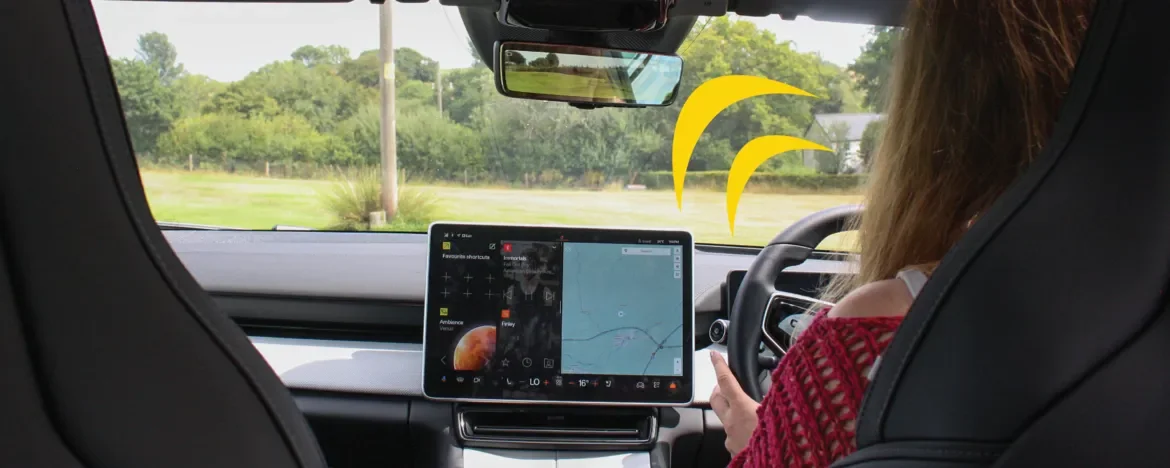
Woman driving Polestar 4

Driving an EV like the Polestar 4 is still cost-effective

Why EV charging is so expensive

Public charging prices have risen by 69% for lower-powered chargers and 94% for higher-powered ones in real-terms since 2021, according to the government’s review.

Over the past year alone, Zapmap recorded an 8% rise at rapid chargers and 2% at standard ones.

The biggest reason is a grid charge that operators pay whether anyone plugs in or not.

Charge point operators (CPOs) pay a standing charge for their grid connection based on its maximum capacity. The rules changed in 2022, and the average charge has gone from £61 a week in 2021 to £440 a week in 2026.

It works like a gym membership.

The fee leaves your account every month whether you go or not, and most chargers don’t get much of a workout. According to Top Gear, that standing charge is now the single biggest part of what you pay per kWh at a rapid charger, bigger than the electricity itself.

Other costs add to it:

  • Low use: In 2025, public chargers were in use only 3% to 7% of the time on average, so fixed costs are spread over very little electricity
  • VAT: Public charging carries 20% VAT, while home electricity currently carries none
  • Policy levies: Around 6.4p/kWh on public charging, against 4.7p at home
  • Growth: The network now has more than 124,000 public charge points, up 7.4% in a year, and operators are paying for that expansion

Operators aren’t raking it in either. The review found very few make a profit yet, and most rely on borrowing to keep building.

Rapid charging and the £1/kWh forecast

Reverse the Charge, a report from charging firm Zest and The Fast Charge newsletter, forecasts that rapid charging could rise above £1/kWh in 2027.

It’s just a forecast for now, but the pressure behind it is real.

The report expects the average standing charge to rise again to around £540 a week in 2027, and the busiest ultra-rapid sites, with chargers of 350kW and above, could reach £1/kWh sooner.

At £1.03/kWh, the report’s figure for a typical rapid site, that 10-80% charge on a 60kWh battery would go from around £34 today to around £43, according to Auto Express. That’s about 30p a mile, well above petrol.

If most of your charging happens at home, you’ll barely notice.

If you rely on rapid chargers, it’s a much bigger deal. Electrifying points out that drivers without a driveway would be hit hardest.

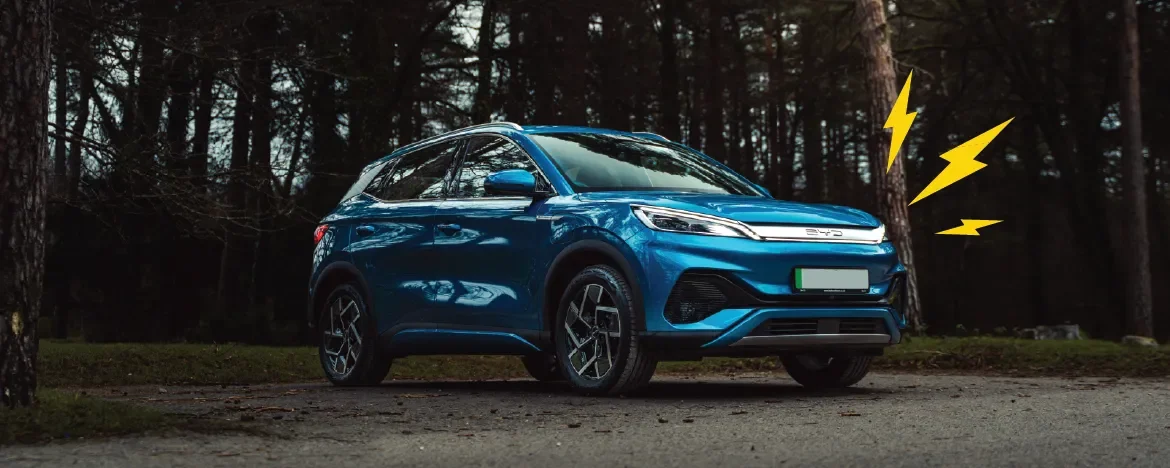
BYD ATTO 3

Is home charging getting more expensive?

Where home charging costs are heading

Home charging is cheaper than usual right now, because the government has cut VAT on household electricity in Great Britain from 5% to 0% between 1 October 2026 and 30 June 2027. That includes EV tariffs.

Two rises are lined up for 2027, but even with both, home charging stays well below the cost of petrol.

The energy price cap unit rate is around 26.3p/kWh, and off-peak EV tariffs average around 8p. The zero rate of VAT only applies in England, Scotland, and Wales. Northern Ireland stays at 5%.

Here’s what’s coming:

  • January 2027: Ofgem is due to announce its next price cap in late November. Carbon Brief expects electricity unit rates to rise by about 20%, as higher gas prices feed through to electricity
  • April 2027: VAT goes back to 5% from July 2027, unless the government extends the cut

Put both together and the price cap would sit at around 33p/kWh, or roughly 10p a mile. That’s still about half what petrol costs, and an off-peak EV tariff would stay a fraction of either.

The driveway divide

Around a third of UK households don’t have off-street parking, according to the government’s review, and they’re the drivers most exposed to rising public prices.

Around nine in 10 current EV drivers can charge at home, which is a big part of why the national averages look so rosy.

That gap matters for anyone eyeing up their first EV.

In a YouGov poll for ChargeUK in July, 25% of UK adults said they were likely to buy an EV. That rose to 37% when YouGov told them public charging was cheaper than petrol. Among 18- to 24-year olds, it almost doubled, from 29% to 57%.

No driveway doesn’t have to mean no EV, though.

There are more options than there used to be:

  • Cross-pavement chargers: Since 21 October 2026, you don’t need planning permission to install a charging cable under the pavement to your car. The government says that can save up to £300 on installation and let you charge at home for as little as 2p a mile
  • Grants: Government grants towards home chargers now cover flats, rented home and on-street parking
  • Charging at work: If your employer has chargers, topping up while you’re parked at work can cost much less than a rapid charger

How EV charging could get cheaper

Some public charging should get cheaper from spring 2027, when a new government scheme starts. Other fixes are still at the proposal stage, so here’s what’s confirmed and what’s still being worked out.

Confirmed in the Budget on 28 October, 2026:

  • £100 million over two years from spring 2028 to cut prices at lower-powered chargers near people’s homes, saving drivers who use them around £150 a year on average
  • The planning change for cross-pavement chargers
  • Extended grants for home charging in flats, rented homes, and on-street parking

In progress, with no date yet:

  • A taskforce to explore tariff porting, which would let you pay your home electricity rate at certain public chargers near where you live

Recommended, but not yet adopted

  • Changes to the way grid standing charges and levies apply to chargers
  • A certificate trading scheme to cut operators’ energy costs
  • The government’s review estimates its full package of recommendations could cut prices at local public chargers by 15p to 20p per kWh, and at public chargers generally by up to 10p.
  • Rapid charging prices will depend on whether Ofgem changes the standing charge rules.
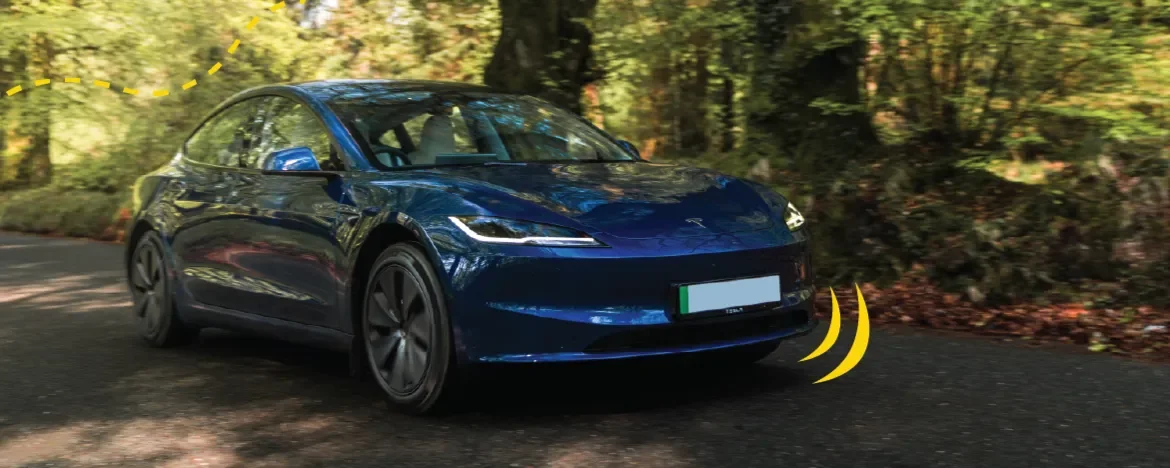
Tesla Model 3

What difference does eVED make?

How eVED changes the running cost picture from 2028

From 1 April, 2028, Electric Vehicle Excise Duty (eVED) is due to add 3p a mile for fully electric cars and 1.5p a mile for plug-in hybrids (PHEV), on top of standard VED.

At 10,000 miles a year, that’s around £300 for an EV.

It narrows the gap with petrol, but doesn’t close it for drivers who charge at home. Off-peak home charging plus eVED comes to about 5p a mile, around a quarter of the cost of petrol. Rapid-only charging plus eVED would be about 27p a mile.

How eVED will work for lease customers hasn’t been confirmed yet.

What it means if you’re thinking about an EV lease

Work out where you’ll charge before you start looking at cars. It’ll shape your running costs more than almost anything else.

  • If you can charge at home: An EV is very likely to cost you less than petrol, even with the price rises due in 2027 and eVED from 2028
  • If you’d rely on public charging: Look at what’s near you, what it costs and whether you could charge at work. A mostly public mix can still come close to petrol, but rapid-only charging won’t
  • Your mileage: It decides how much you’ll spend on charging, and from 2028 it’ll set your eVED estimate too

On eligible models, the lease price already reflects the Electric Car Grant, so there’s nothing for you to apply for.

A lease that starts now and runs past April 2028 will overlap with eVED.

Quick ways to keep your charging costs down

  • Switch to an off-peak EV tariff and charge overnight
  • Use a membership or subscription if you regularly use the same rapid network
  • Plan longer journeys around cheaper networks with an app like Zapmap
  • Stop rapid charging at around 80%, as the last stretch is the slowest

The verdict on EV running costs

Strip away the headlines and the answer is simpler than it looks.

If you can charge at home, an electric car is still far cheaper to run than petrol or diesel, and it’ll stay that way through the price rises in 2027 and eVED in 2028.

If you’d rely on rapid chargers, most of those savings have gone for now.

Most people sit somewhere in between, and that’s where a bit of maths before you choose pays off.

Work out where you’ll plug in, roughly how far you drive, and how often you’d need a rapid top-up on longer trips. Get those three right, and you’ll know whether an EV will save you money before you’ve even picked a colour.

If the sums add up, the only tricky bit left is choosing which one.

FAQs

How much does a full charge cost at home compared with a rapid charger?

A 10-80% charge on a 60kWh battery costs around £3.40 on an off-peak home tariff, or around £11 at the energy price cap. The same charge at a rapid public charger costs around £34 at October 2026’s average price of 82p/kWh.

It’s about ten times the off-peak cost at home.

Why is public EV charging more expensive than charging at home?

Public chargers carry costs your home supply doesn’t.

Operators pay a standing grid charge based on the maximum capacity of the connection, chargers sit unused for most of the day, and public charging carries 20% VAT.

Home electricity currently has no VAT in Great Britain, and lower policy levies.

Will EV charging get cheaper?

Some of it should. From spring 2027, a £100 million government scheme will cut prices at lower-powered public chargers near people’s homes.

Rapid charging could still rise in 2027 unless Ofgem changes how grid standing charges work, which the government’s review has urged it to do.

What’s tariff porting for EV charging?

Tariff porting would let you pay your home electricity rate at certain public chargers near where you live, probably with a fixed access fee. The government’s review recommended a pilot, and the government has set up a taskforce to explore the option.

There’s no start date yet.

Will eVED make EVs more expensive to run than petrol?

Not if you charge at home.

eVED is due to add 3p a mile from April 2028, so off-peak home charging plus eVED comes to about 5p a mile, against roughly 19p for petrol. Drivers who rely on rapid charging would pay more than petrol, at around 27p a mile.

Is an EV worth it if I don’t have a driveway?

It can be, but check your local charging first.

Cross-pavement chargers no longer need planning permission, grants cover on-street parking and rented homes, and charging at work can help.

If you’d mostly use rapid chargers, an EV will likely cost more per mile than petrol.

Ryan Darby

Ryan Darby

Ryan takes the lead on all things 'wordy'. With a sports media background, a true passion for cars, and a LOT of driving experience under his belt, he'll make sure you have all the information you need, when you need it.