How to electrify your business fleet

TL;DR: What do you need to know about electrifying a fleet?

The 2030 ban on new petrol and diesel car sales is confirmed, with hybrids given a grace period until 2035.

For most fleets, the biggest obstacle to electrifying isn’t vehicle readiness, but capital outlay. Leasing removes that barrier by spreading the cost into predictable monthly payments rather than a large upfront spend.

On the infrastructure side, the Workplace Charging Scheme now covers up to £500 per socket, and salary sacrifice remains one of the most effective ways to get grey fleet drivers into electric vehicles without a big investment from the business.

If you’re still weighing up whether to electrify your fleet, the answer is that the decision has largely been made for you

New petrol and diesel cars and vans are being phased out, electric vehicle (EV) leasing costs continue to fall, and the tax position for EV business drivers has rarely looked better.  

The real question for most fleet managers now isn’t whether to switch, but how to do it without disrupting the business.

That’s what this guide is for.

We’ve pulled together a practical, leasing-led walkthrough of how to plan, fund and roll out fleet electrification, built around the questions you actually want answered.
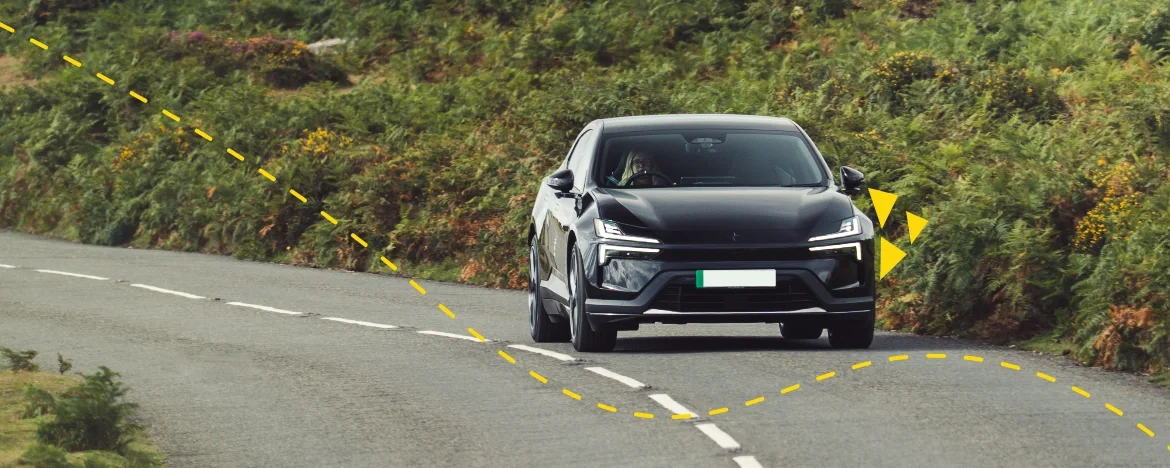
Polestar 4

EVs, like the Polestar 4, make excellent company cars - and can save you some cash each month

Why fleet electrification isn’t just an environmental decision

It’s easy to treat fleet electrification as a sustainability initiative first, and a financial one second.

In practice, the two are linked, and leasing is there as the foundation that keeps you steady.

Leasing an electric fleet means you’re not tying up cash in vehicles that will need replacing again in a few years. Instead, you pay monthly for the vehicle’s use, with servicing and maintenance built in on most agreements, and hand it back at the end of the contract rather than managing its resale.

There’s also a clear tax incentive for company car drivers.

Benefit in Kind (BiK) rates for EVs sit at 4% for 2026/27, rising by small increments to 9% by April 2029 – considerably lower than the rates that apply to petrol, diesel, or plug-in hybrid company cars.

If you’re weighing up the whole life cost of your fleet, the savings matter.

And, of course, there is the environment case.

Fewer tailpipe emissions, lower exposure to Clean Air Zone (CAZ) and Ultra Low Emission Zone (ULEZ) charges, and a stronger sustainability story to tell investors, customers and staff.

When are new petrol and diesel vehicles being phased out

There’s been a lot of back and forth on this one. The ban on new petrol and diesel car and van sales was originally set for 2030, pushed back to 2035, and has since been reinstated for 2030.

Hybrids have a longer runway, with sales of new hybrids allowed to continue until 2035.

The Zero Emission Vehicle (ZEV) mandate sits alongside this, setting rising annual targets for the proportion of new zero-emission cars and vans each manufacturer must sell.  

Manufacturers who miss their targets face fines, though there is some flexibility built in.

Shortfalls in one year can be offset against surpluses in another, and low-volume manufacturers have been given more time to adjust.

If you’re a fleet manager, the practical takeaway is that you’ll still be able to lease and drive existing petrol, diesel and hybrid vehicles well beyond 2030. What changes is your ability to lease brand-new ones, which is why planning your transition now puts you in a stronger position.

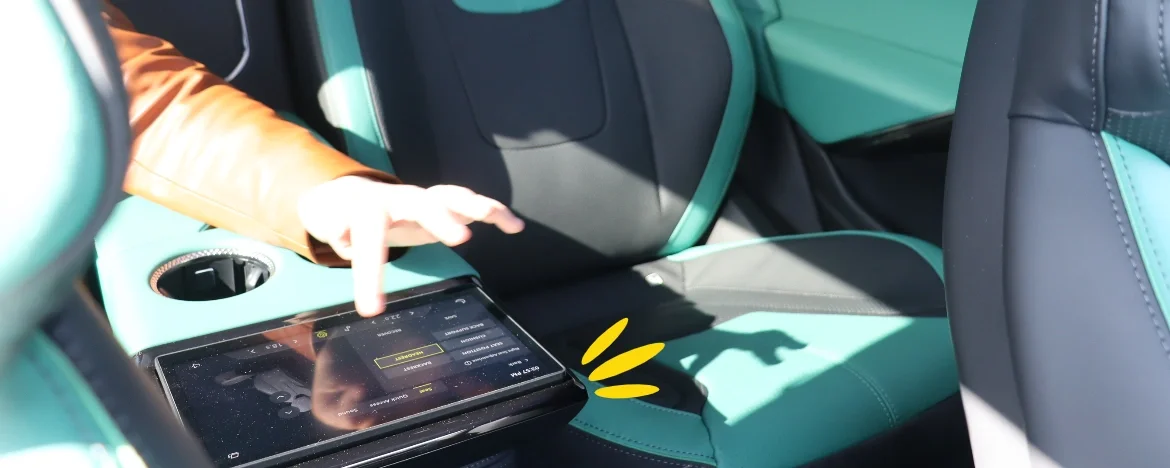
Woman using Lotus Eletre rear touchscreen

As an additional bonus, EVs often feature the latest technologies

Choosing how you transition – full switch, phased rollout, or mixed fleet

Most businesses don’t electrify their entire fleet overnight, and there’s no need to. Three broad approaches tend to work:

A full switch replaces the whole fleet with EVs in one fell swoop.

This suits smaller fleets, or businesses with the budget and appetite to move quickly, and leasing makes this far more achievable than an outright purchase, since you’re not funding the entire fleet upfront.

A phased rollout replaces vehicles gradually, usually starting with those on the shortest, most predictable routes, where EVs perform most reliably. It’s the most common approach, and lets you align electrification with your existing lease renewal cycle rather than creating one all at once.

A mixed fleet runs electric and combustion vehicles side by side for a longer period, while charging infrastructure and driver habits catch up. This tends to suit larger or more complex fleets, particularly those with high-mileage or specialist vehicles that don’t yet have a strong electric equivalent.

Whichever route you choose, leasing gives you the flexibility to adjust as you go, rather than being locked into decisions made years in advance.

What to assess before you start

Before committing to any vehicles, it’s worth gathering a clear picture of how your fleet is used:

  • Average daily mileage and typical routes
  • Where vehicles are parked overnight, and whether charging points could be installed there
  • Vehicle downtime and idle periods
  • Current fuel costs, for comparison
  • When existing leases and vehicles are due for renewal

You might be surprised to find that your vehicles already operate well within the boundaries of the EVs currently available to lease.  

Vehicles that return to a depot or driver’s home each night, with predictable mileage, tend to be the easiest and most cost-effective to electrify first.

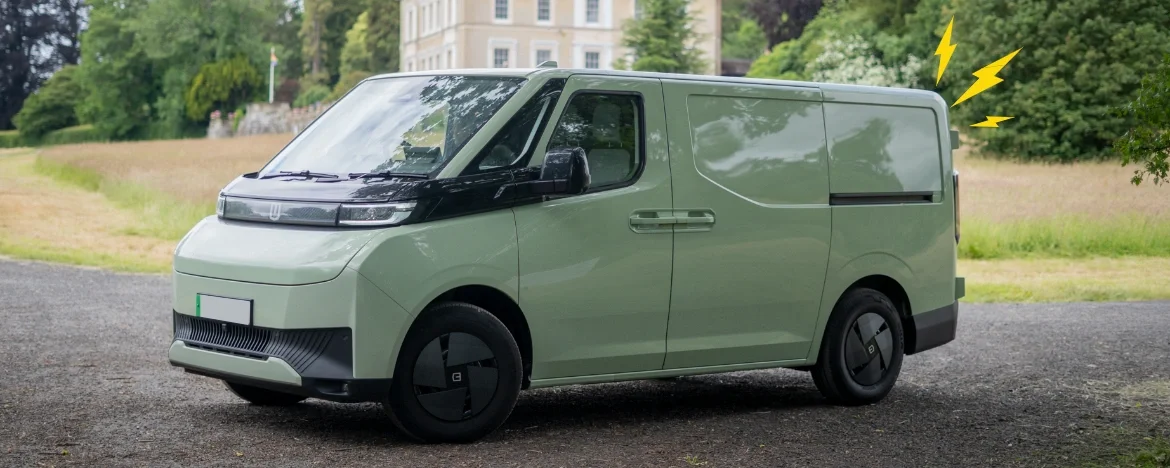
Farizon electric van

It's not just cars - vans are ripe for electrification, too

Charging your electric fleet – depot, home and public options

Most fleets end up using a combination of the following charging options, instead of relying on just one.

Depot charging suits fleets that return to a central site at the end of each shift, charging overnight when electricity demand, and cost, is lower. This is the standard approach for delivery fleets, logistics operations, and local service providers.

Home charging works well for company car drivers and field-based staff, who charge overnight at home and are reimbursed through the business.

It’s a straightforward option that avoids the need for site infrastructure altogether.

Public charging fills the gaps – longer journeys, or additional range during the working day. The UK’s public charging network is continuing to expand, making this a more reliable option rather than just a last resort.

Grants and incentives

There’s financial support available, and it’s worth building into your business case rather than treating electrification as a cost the business absorbs alone.

The Workplace Charging Scheme (WCS) offers up to £500 per socket, or 75% of the total purchase and installation cost, up to a maximum of 40 sockets per business.  

It’s open to registered businesses, charities, and public sector organisations with dedicated off-street parking for staff or fleet use, and it’s funded until 31 March 2027.

For company cars, the Electric Car Grant offers up to £3,750 off new electric vehicles priced under £37,000, applied directly at the dealership.

Salary sacrifice remains one of the most effective ways to bring grey fleet drivers (those using their own vehicles for work) into newer electric cars, with savings of 20-50% on the cost of the car, since payments come from gross rather than net salary.

On tax, Vehicle Excise Duty (VED) for EVs now stands at £10 for the first year and the standard £195 after that, following changes introduced in April 2025.  

And BiK rates for electric company cars remain considerably lower than for petrol, diesel, or plug-in hybrid alternatives.

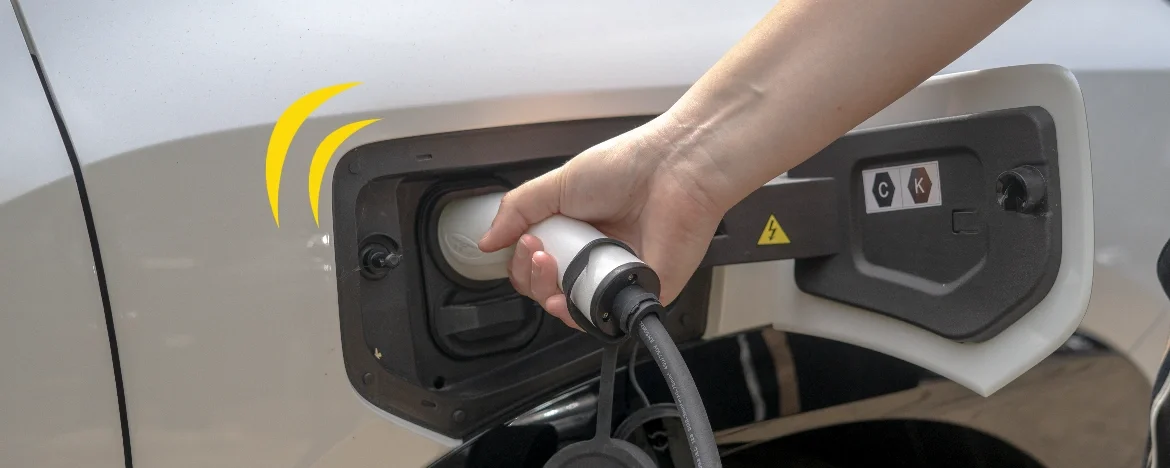
AION V on charge

With home and workplace chargers, keeping your EV charged poses no problems

Working out the total cost of ownership?

Sticker price is the wrong starting point for comparing electric and combustion fleet vehicles.  

Total cost of ownership – the full cost of running a vehicle over the length of the contract, not just the monthly payment – tells a more accurate story.

For EVs, that means factoring in lower fuel costs (electricity is generally cheaper than petrol or diesel, particularly when charging overnight on a home or workplace tariff), reduced maintenance thanks to fewer moving parts, lower BiK liability for company car drivers, and reduced exposure to CAZ charges.

For combustion vehicles, it’s the opposite: Higher fuel and servicing costs, and rising BiK rates by comparison.

Once you factor all of this in, EVs very often come out ahead over the length of a typical lease, even where the upfront comparison looks less favourable.

Getting your electrification strategy right

A successful transition tends to come down to a handful of things done properly, rather than one single decision.

  • Start with your data: Mileage, routes, and current fuel costs should shape which vehicles you electrify first
  • Bring the right people in early: Accounts will want to understand total cost of ownership, drivers will want reassurance about range and charging, and a site or landlord agreement may be needed for any infrastructure changes
  • Train your drivers: Charging habits and energy-efficient driving styles differ from combustion vehicles, and a bit of guidance early on goes a long way toward confidence and adoption
  • Align with your lease cycle: Electrifying as vehicles come up for renewal, rather than replacing everything at once, keeps disruption and cost to a minimum

Fleet electrification isn’t a single project with a fixed end date – it’s an ongoing shift that most businesses will manage in stages over the next few years.

Getting the early decisions right, particularly around how you fund the vehicles, makes every stage after that easier.

Ready to start electrifying your fleet?

Beth Twigg

Beth Twigg

Beth is our Content Marketing Manager, tasked with creating great articles to keep you both entertained and informed. She has two years previous experience, but has been writing and scribbling for much longer.