All the different car body types and powertrains explained 

TL;DR: What's the difference between car types?

There are eight main car body types: City car, hatchback, MPV, saloon, estate, convertible, coupé, and SUV. 

Each suits a different lifestyle and set of priorities — from compact city runabouts to spacious family haulers. 

Beyond body style, cars also differ by powertrain: Petrol, diesel, hybrid, plug-in hybrid (PHEV), hydrogen and fully electric (EV). 

Understanding both will help you narrow down the right car for your needs.

The complete guide to car types 

Choosing your next car isn't a decision to be taken lightly. From body style to spec and trim, electric or combustion engine — it can really get your head spinning.

That's why we've put together this complete guide to different car types, covering every body style on the market alongside the powertrain options available to you. 

Whether you're a first-time driver or upgrading after years behind the wheel, understanding the difference between a hatchback and an SUV — or a mild hybrid and a PHEV — will put you in a much stronger position when it comes to choosing your next lease.

We're here to put the ease in your next car lease, so let's get into it.
Car body types explained

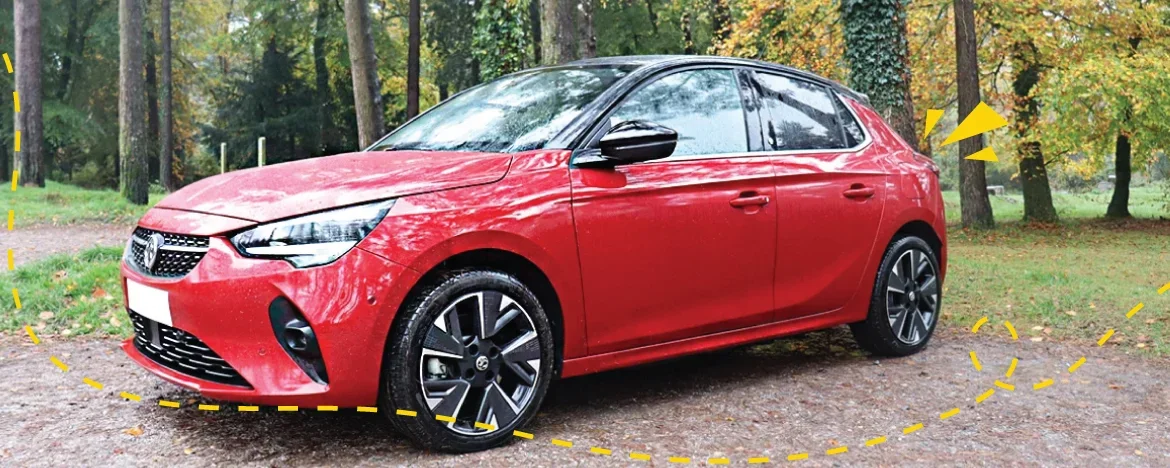
Vauxhall Corsa Electric

Vauxhall Corsa Electric

Hatchback

The type of car that perhaps most are familiar with. If you were to ask a child to draw a car, they'd most likely draw the classic hatchback.

Depending on the size of the vehicle, they can also be described as superminis or family hatchbacks.

The name comes from the way the boot lid and rear window open together in an upward hatch-like motion — unlike a saloon, which has a separate boot lid that opens independently from the rear window.

Hatchbacks are, on the whole, efficient to run, competitively priced to insure, and widely considered one of the more affordable body styles to own.

Whether you're doing the weekly food shop, taking the dogs for a walk, or just popping into town, a hatchback handles it all with comfort and ease.

Being one of the most popular and practical body styles on the market, there's plenty of choice.

Popular hatchback models include the Vauxhall Corsa, SEAT Leon, and the Volkswagen ID.3.

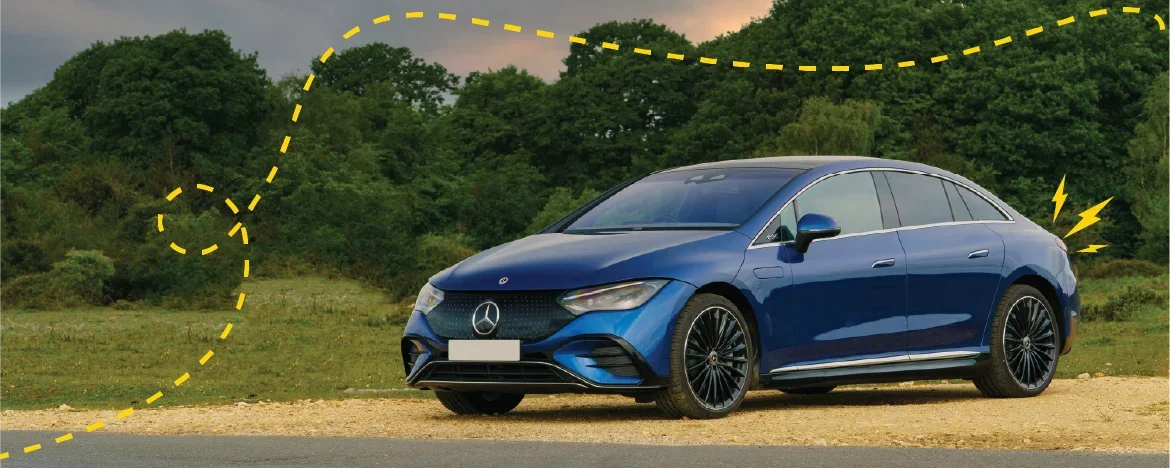
Mercedes-Benz EQE

Mercedes-Benz EQE

Saloon

Not to be confused with a cowboy bar in the Wild West, saloon cars are known for their long, sleek design and are an increasingly popular choice — particularly for drivers looking to upgrade their boot space from a hatchback or city car.

Unlike hatchbacks, the boot on a saloon is a separate entity. It opens independently from the rear window rather than together with it. It's a small distinction that makes a big difference to the overall look and feel of the car.

Most saloons have fixed rear seats, though some models do offer foldable rear seating if you need to transport larger items. 

So while it won't be top of the list for a weekend of camping, it's a refined, well-rounded drive that makes for a compelling step up from a hatchback.

With an emphasis on performance, sophistication, and comfort, the saloon is a car that means business; which is why it often makes a great executive car for a business lease.

Popular saloon models include the Mercedes-Benz EQE, BMW 3 Series, and the Hyundai IONIQ 6.

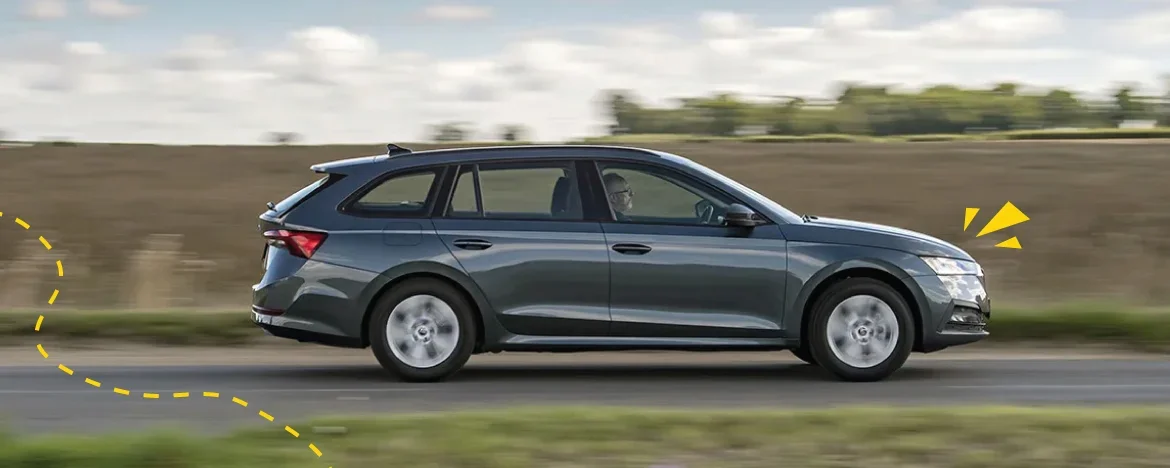
SKODA Octavia

SKODA Octavia

Estate

Estate cars combine the practicality of a hatchback with the sleek body of a saloon — giving you the best of both in one package.

They've grown steadily in popularity over recent years, and it's easy to see why. 

Whether you're tackling long motorway journeys on a family holiday, navigating the school run, or loading up for a weekend away, estates are built to handle it all without breaking a sweat.

Boot space is where estates really come into their own. 

You'll typically get significantly more cargo room than a hatchback or saloon, and some models even offer an additional two folding seats in the boot; handy if you regularly need to carry more passengers than a standard five-seater allows.

A great all-rounder for busy family life, and one of the most practical body styles on the market.

Popular estate models include the Volkswagen ID.7 Tourer, SKODA Octavia, and the Audi A5 Avant.

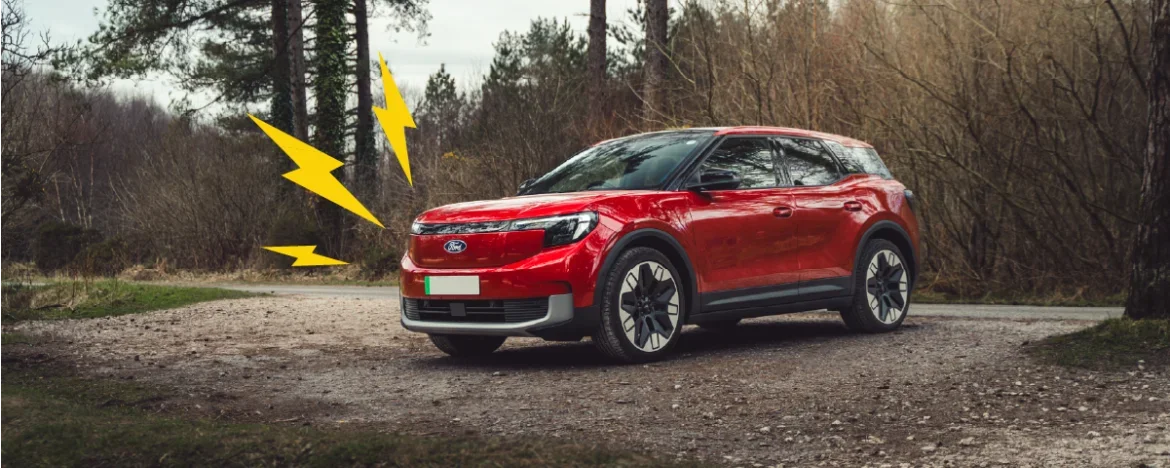
Ford Explorer

Ford Explorer

SUV

The SUV — or Sports Utility Vehicle — has been the most popular body style on the market for years, and it shows no signs of giving up the top spot.

Some brands have gone so far as to discontinue all models but SUVs.

It's not hard to see why. A higher driving position, generous interior space, and a rugged design that's as capable on a country lane as it is on the school run — SUVs deliver on almost every front.

The combination of comfort and performance is what sets them apart. Whether you're loading up for a long family road trip or just running errands around town, there's an SUV that fits the brief.

They come in all shapes and sizes too, from compact crossovers to full-size seven-seaters, so whatever your budget or lifestyle, there's likely an SUV that works for you.

Popular SUV models include the Polestar 3, Ford Explorer, and the Nissan Qashqai.

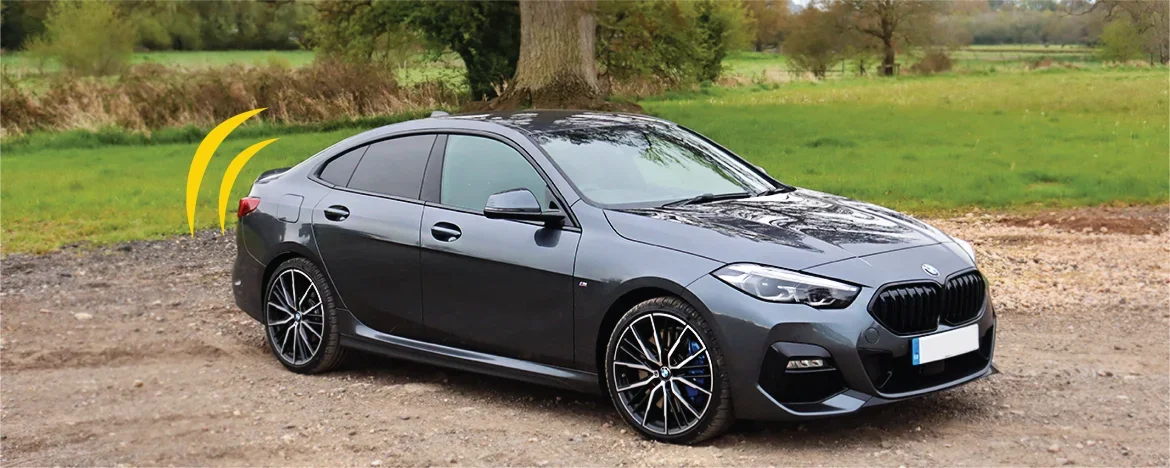
BMW 2 Series Gran Coupe

BMW 2 Series Gran Coupe

Coupe

The word coupé originates from France and loosely translates to 'cut', which refers to the sloping rear body and reduced passenger space. 

Traditionally a two-door, there's now an increasing number of four-door coupés on the market, broadening their appeal without losing any of the style.

Style is really what the coupé is all about. There's a time and a place for practicality, and that's not in a coupé. What you get instead is a car that turns heads, delivers on performance, and makes every journey feel like an occasion.

If arriving in style, comfort, and speed is what you're after, a coupé lease could be calling your name.

Popular coupé models include the BMW M2, the BMW 4 Series, and the Volkswagen ID.5.

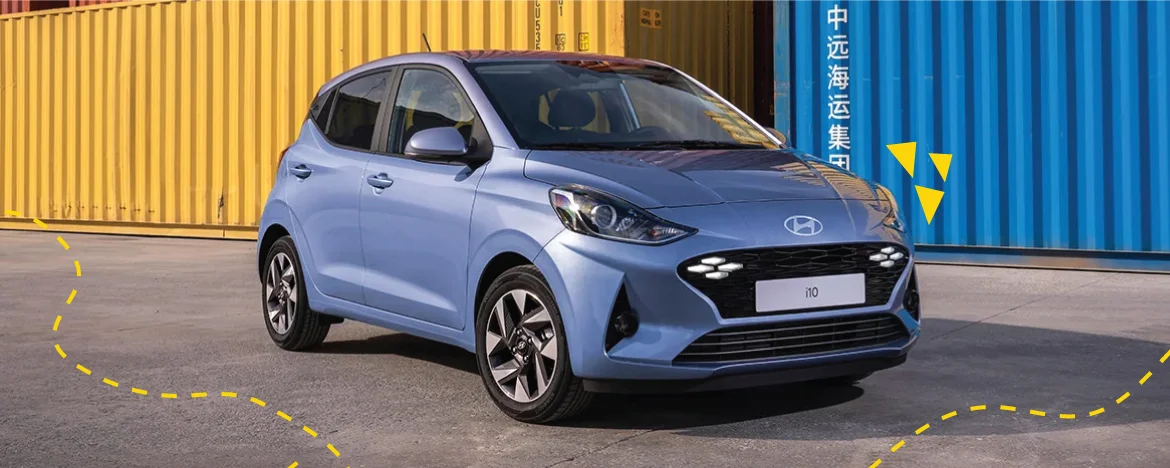
Hyundai i10

Hyundai i10

City car

These are the smallest cars on the market, and they do exactly what they say on the tin.

Small by design, city cars are built to nip through busy urban roads, manoeuvre with ease, and slot into parking spaces that would leave larger cars in a cold sweat.

Running costs are low, especially if you're primarily driving around town. And that’s exactly where they're in their element.

The majority of city cars sit within insurance groups one to five, making them a particularly appealing option for first-time drivers.

Cheap to run and fun to drive, it's no wonder they're so popular — with the Kia Picanto, Hyundai i10, and the Leapmotor T03 among some of the more well-known city cars on the market.

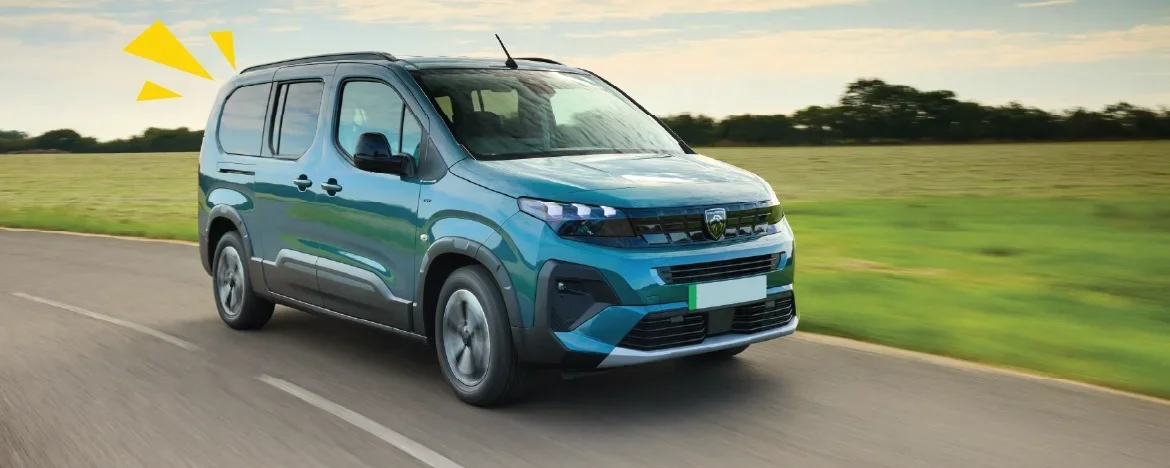
Peugeot E-Rifter

Peugeot E-Rifter

MPV

MPV stands for multi-purpose vehicle, and they truly live up to the name. Whether it's moving house, a group trip to the beach, or the daily school run, MPVs will be there for it all.

Many MPVs are wheelchair accessible too, which is worth knowing if you require this greater accessibility.

They'll house at least five seats, traditionally seven, but sometimes nine, and come with a boatload of boot space. With flexible seating configurations, carrying large items or a full crew has never been easier.

Popular MPV models include the Dacia Jogger, the Citroën e-Berlingo, and the Volkswagen ID. Buzz.

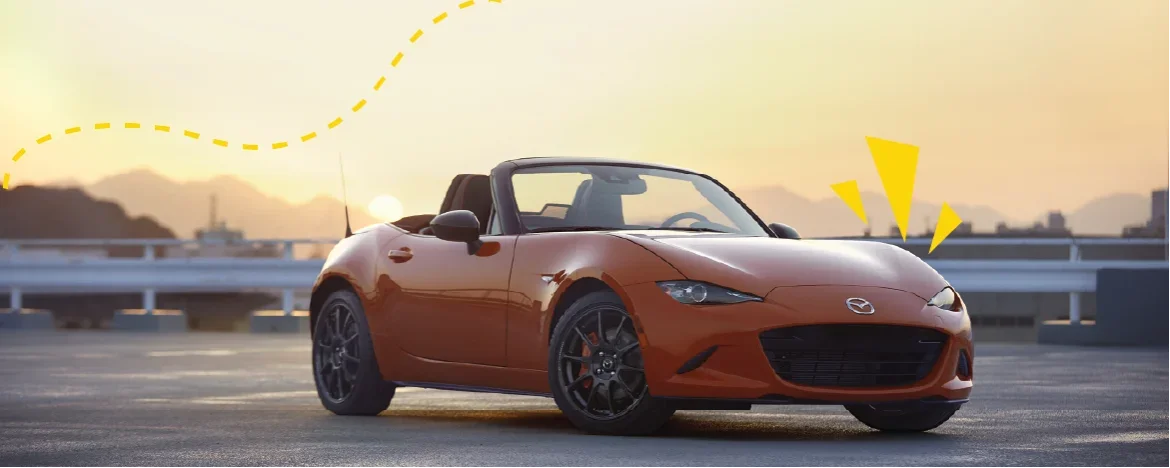
Mazda MX-5

Mazda MX-5

Convertible

Not much beats driving with the roof down on a hot summer's day, despite the windswept look you're left with at the end of your journey.

Convertibles have been serving style and speed since 1934, when Peugeot released the 601 Eclipse, and they've come a long way since. 

They feature a folding roof that can be removed fully or partially, in either hard-top or soft-top form. You may also hear them referred to as cabriolets or roadsters, though there are some minor differences between the three.

Running costs can be slightly higher than other body styles owing to their sportier nature — but for many, that's a more than fair trade-off.

Boot space is the one practical compromise. The roof has to go somewhere when it's folded away, which leaves less room for cargo than you'd find in a hatchback or saloon. Worth bearing in mind, but rarely a dealbreaker for convertible fans.

Popular convertible models include the Mazda MX-5, the Abarth 500e, and the MG Cyberster.

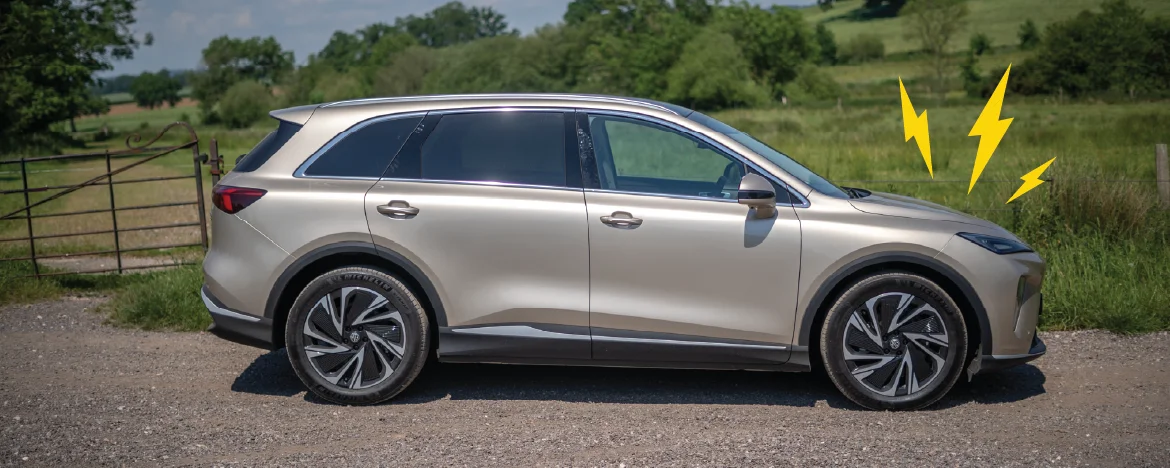
MG S6

MG S6

Car powertrains explained

There are a few options for how you power your car, each vary in how much it emits. But let’s dive right in.

Combustion

Internal combustion engine (ICE) vehicles run on petrol or diesel, and remain the most common powertrain on UK roads — though that's changing fast with the 2030 ban on new petrol and diesel car sales on the horizon.

Petrol is available in two grades: E10, the standard unleaded at most UK filling stations, and E5 (Super Unleaded), which is still available for vehicles that aren't E10-compatible. 

Petrol generally offers lower fuel economy than diesel, but comes at a lower cost per litre — making it a solid everyday option for most drivers.

Diesel tends to cost more at the pump but delivers better fuel economy, particularly on longer, higher-speed journeys. If you regularly cover high mileage, diesel often makes financial sense.

Running costs for both vary by engine size, driving style, and how you use the car.

With the 2030 ban approaching, leasing a combustion car now is still possible. But after that date, they’ll be less readily available. You’ll be able to find some pre-reg stock, but once those are gone, combustion cars will only be available in the second-hand market.

Electric

Electric vehicles (EVs) run entirely on battery power: No combustion engine, no exhaust emissions, and no trips to the petrol station.

Instead of fuelling up, you charge. Most EV drivers do the majority of their charging at home overnight, which keeps running costs low and routine simple. Public charging infrastructure is expanding rapidly too, with tens of thousands of charge points now available across the UK.

Range has come a long way. Many modern EVs now offer 200–300+ miles on a single charge, and for most daily driving patterns, that's more than enough. Cold weather can reduce range slightly, but it's a factor that manufacturers are continually improving on.

From a running cost perspective, EVs are the most affordable powertrain to run day-to-day, especially if you're charging at home on an overnight tariff. 

Combine that with zero tailpipe emissions and reduced servicing requirements, and it's easy to see why EV uptake continues to grow.

What about solid-state batteries?

The EV experience is already strong — but it could be about to get significantly better.

Solid-state batteries replace the liquid electrolytes found in current lithium-ion batteries with solid ones. The result is a battery that's lighter, denser, safer, and capable of charging in a fraction of the time. Potentially as little as 10 minutes for a full charge.

Toyota, Honda, and Stellantis are all targeting 2027–2028 launches for solid-state battery vehicles. When they arrive, they could go a long way to ending range anxiety for good.

For now, today's EVs are already more capable and practical than ever. Leasing means that when solid-state does arrive, you're not locked into yesterday's technology.

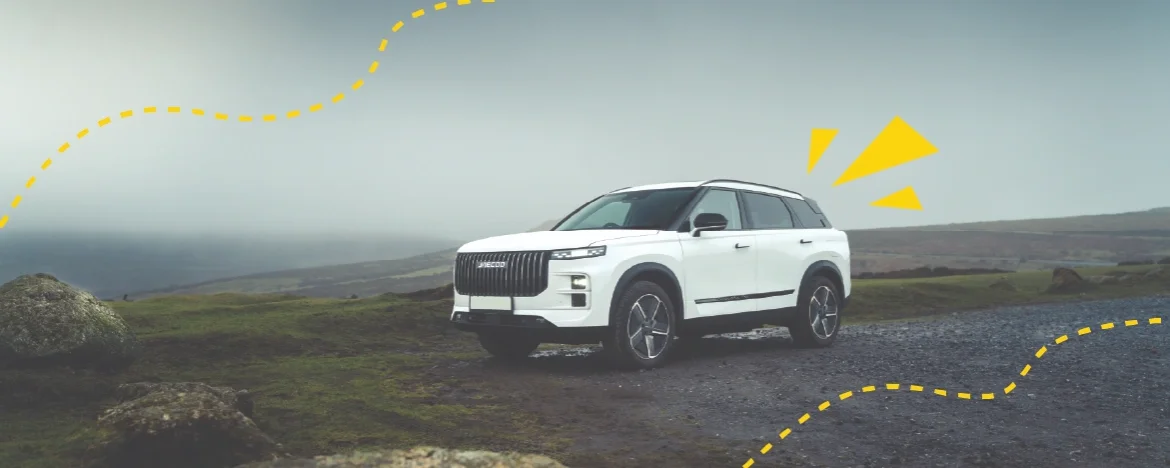
JAECOO 7

JAECOO 7

Hybrid

Hybrid vehicles combine a conventional combustion engine with an electric motor, giving you some of the efficiency benefits of electric driving without fully committing to a plug-in lifestyle.

There are three types of hybrid available to lease in the UK, and they work quite differently from one another.

  • Mild hybrid (MHEV)

The most straightforward of the three. A mild hybrid pairs a conventional engine with a small electric motor that assists — but never independently drives — the wheels. The battery charges itself through regenerative braking as you drive, so there's nothing extra to think about.

The result is a modest but meaningful improvement in fuel efficiency over a conventional equivalent, typically in the region of 10–15%. If you want the benefit of hybrid technology without changing your routine at all, a mild hybrid is the natural starting point.

Best for: Motorway and mixed driving.

  • Full hybrid (FHEV)

A step further. A full hybrid can run on electric power alone for short distances — typically at lower speeds around town — before the petrol engine takes over when more power is needed. Like a mild hybrid, it charges itself through regenerative braking with no plug required.

The more stop-start your driving, the more you'll benefit. Urban commuters in particular tend to get the most out of a full hybrid.

Best for: Town, city, and mixed driving.

  • Plug-in hybrid (PHEV)

The most capable of the three when it comes to electric-only driving. 

PHEVs have a significantly larger battery that's charged from an external source, such as a home wallbox, domestic socket, or public charge point. Most offer an electric-only range of 30–50 miles (WLTP Comb), which is enough to cover the majority of daily commutes without touching the petrol engine.

When the battery runs low, the petrol engine takes over seamlessly. Regenerative braking continues to top the battery up on longer runs.

For drivers who can charge regularly at home or work, a PHEV can dramatically reduce fuel costs and emissions day to day. Business drivers also benefit from reduced Benefit in Kind (BiK) tax.

Best for: Regular short commutes with reliable charging access.

Hydrogen

Hydrogen cars — or Fuel Cell Electric Vehicles (FCEVs) — take a different approach to zero-emission driving altogether.

Rather than storing energy in a battery that needs charging, they generate their own electricity on board. Hydrogen stored in high-pressure tanks combines with oxygen from the air inside a fuel cell, producing electricity to power the motor. The only by-product is pure water vapour.

The appeal is obvious. Refuelling takes around three to five minutes (similar to a petrol station stop) and range sits comfortably at 300–400 miles on a single tank. For drivers put off by charging times or range anxiety, hydrogen looks compelling on paper.

The reality for UK drivers right now is more complicated.

There are currently only six public hydrogen refuelling stations open to the public in the UK. This is a number that has actually fallen in recent years. 

The two mainstream hydrogen cars available, the Toyota Mirai and Hyundai Nexo, both sit above £60,000. And while manufacturers including BMW, Toyota, and Hyundai continue to invest in the technology, others are scaling back.

Hydrogen isn't going away — it has a genuine role to play in the transition to zero-emission transport, particularly for high-mileage drivers and heavier vehicles. But for most UK drivers right now, it remains a technology to watch rather than one to act on.

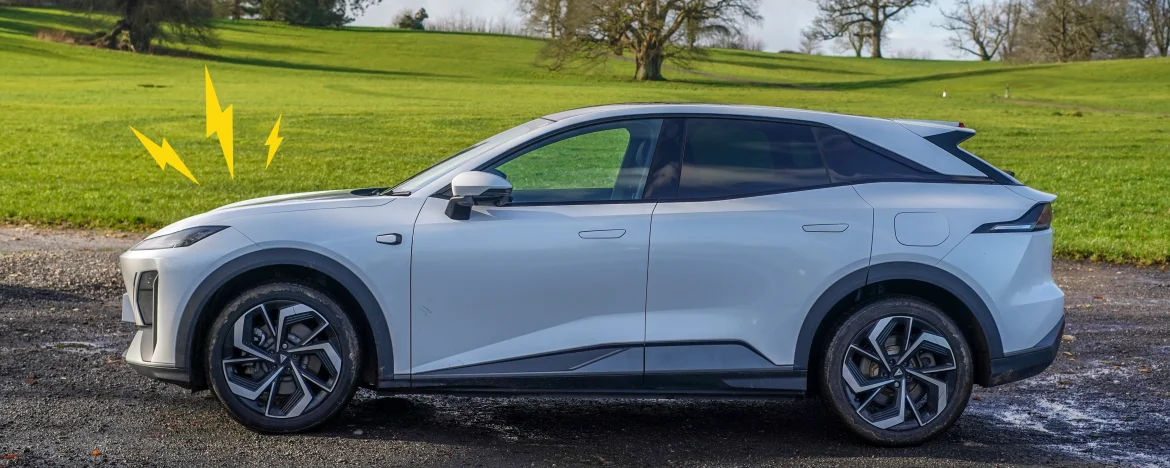
Changan Deepal S07

Changan Deepal S07

The right car is out there

And there you have it — every car body type and powertrain option on the market, explained.

Whether you're drawn to the practicality of an estate, the head-turning appeal of a coupé, or you're weighing up whether a PHEV or full EV is the right fit for your commute, the best starting point is always knowing what's out there.

The market is moving quickly too. The 2030 ban on new petrol and diesel cars is approaching, EVs are becoming more capable with every new model year, and technologies like solid-state batteries and hydrogen are edging closer to the mainstream. 

Leasing puts you in the best possible position to keep up. With fixed-term agreements typically running two to four years, you're never locked into yesterday's technology for long.

So whatever type of car suits your lifestyle, there's never been a better time to explore your options.

Whatever your body type or powertrain, we've got a lease deal to match

Ryan Darby

Ryan Darby

Ryan takes the lead on all things 'wordy'. With a sports media background, a true passion for cars, and a LOT of driving experience under his belt, he'll make sure you have all the information you need, when you need it.